
Plantar Fasciitis (Plantar Fasciopathy): Symptoms, Treatment and Recovery
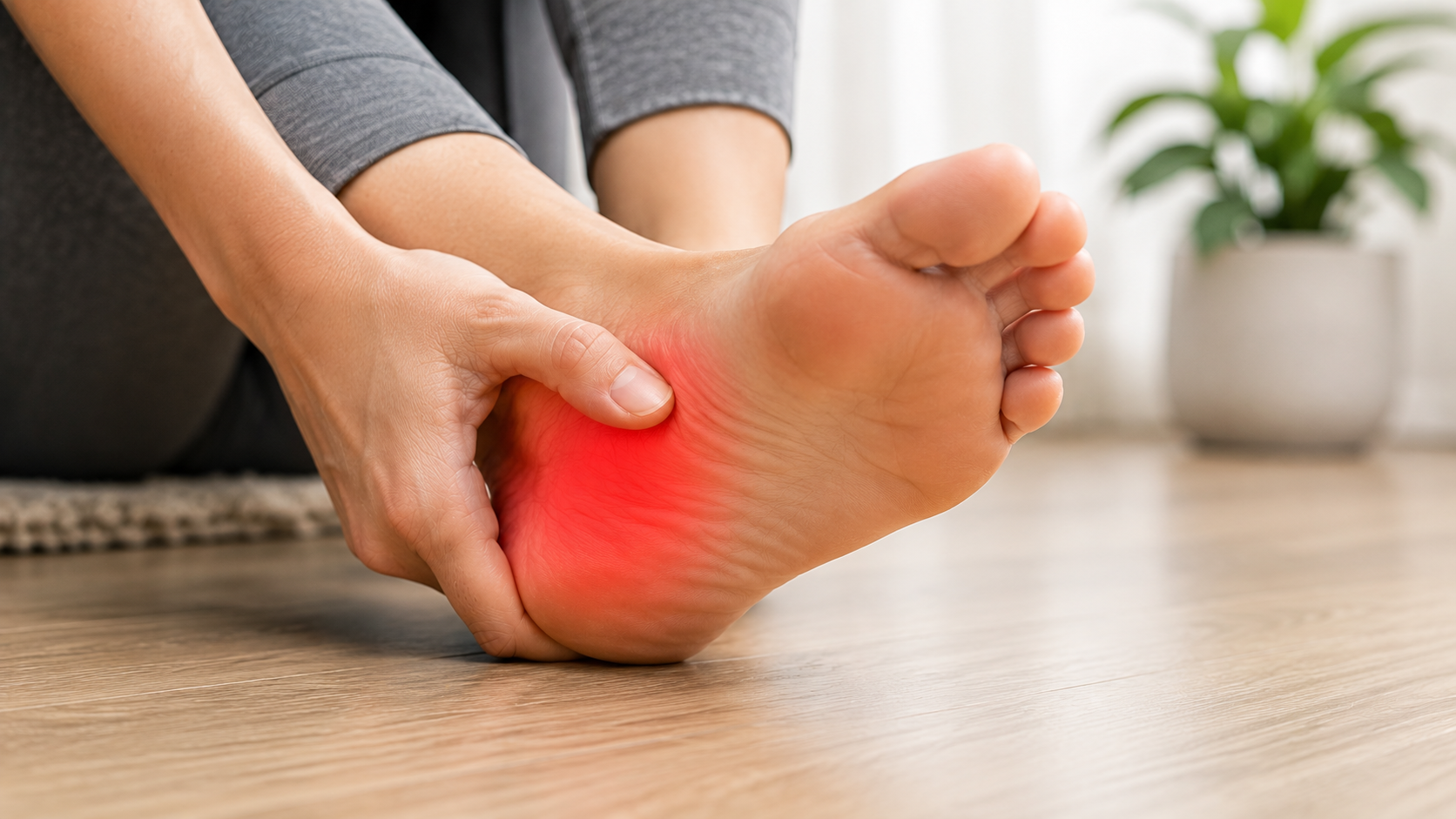
Few things are more frustrating than taking your first few steps in the morning and feeling a sharp pain under your heel. For many people, this is the classic sign of plantar fasciitis, one of the most common causes of heel pain.
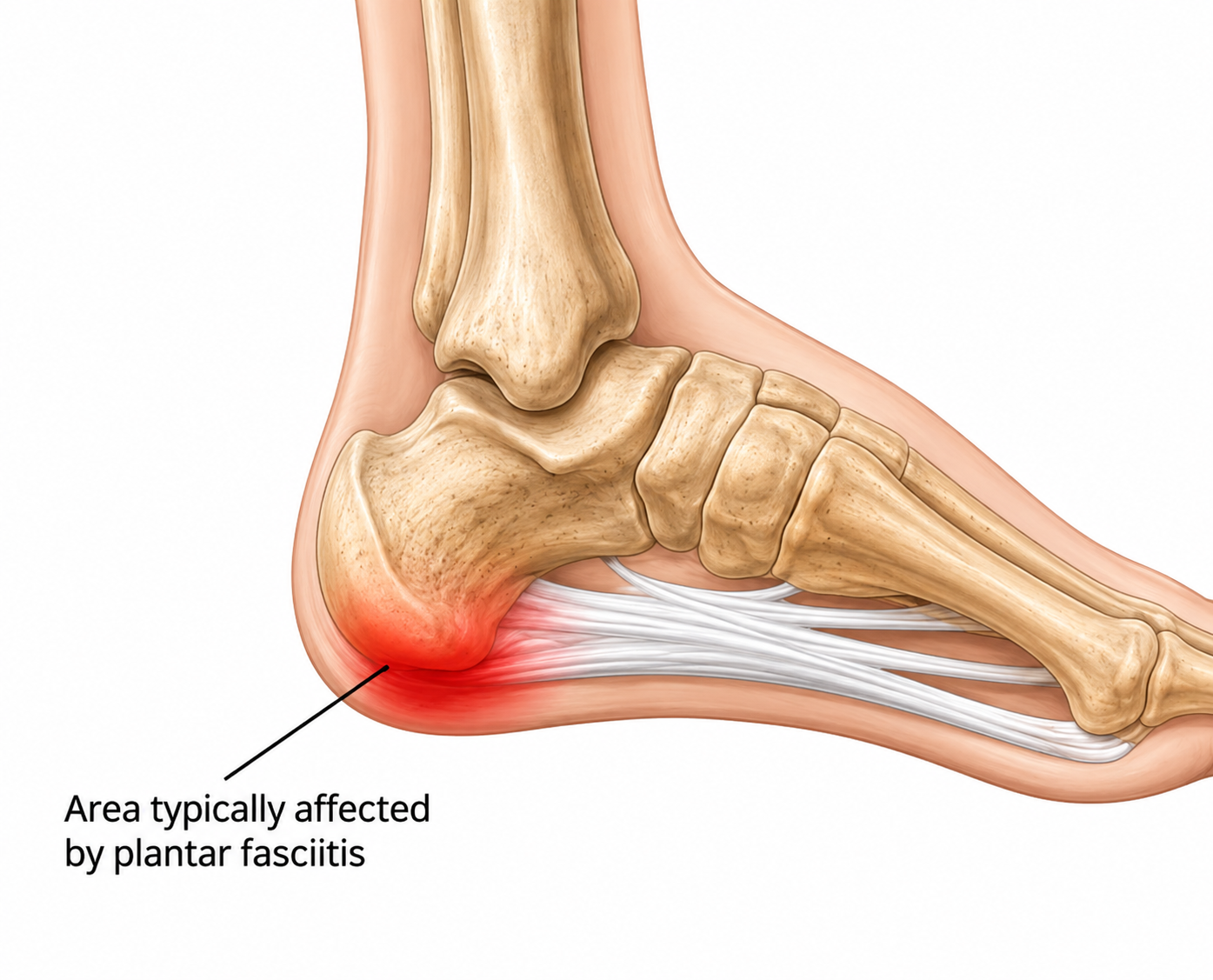
Despite its name, plantar fasciitis is often less about ongoing inflammation and more about irritation and degeneration of the plantar fascia — the strong band of tissue running along the sole of your foot that supports your arch and helps absorb the forces of walking and running.
The good news is that most people recover without surgery. With the right combination of stretching, supportive footwear, activity modification and patience, symptoms usually improve over time.
This guide explains exactly what plantar fasciitis is, why it develops, the treatments supported by the best available evidence, and what you can realistically expect during recovery.
Key points
- Plantar fasciitis is the most common cause of heel pain.
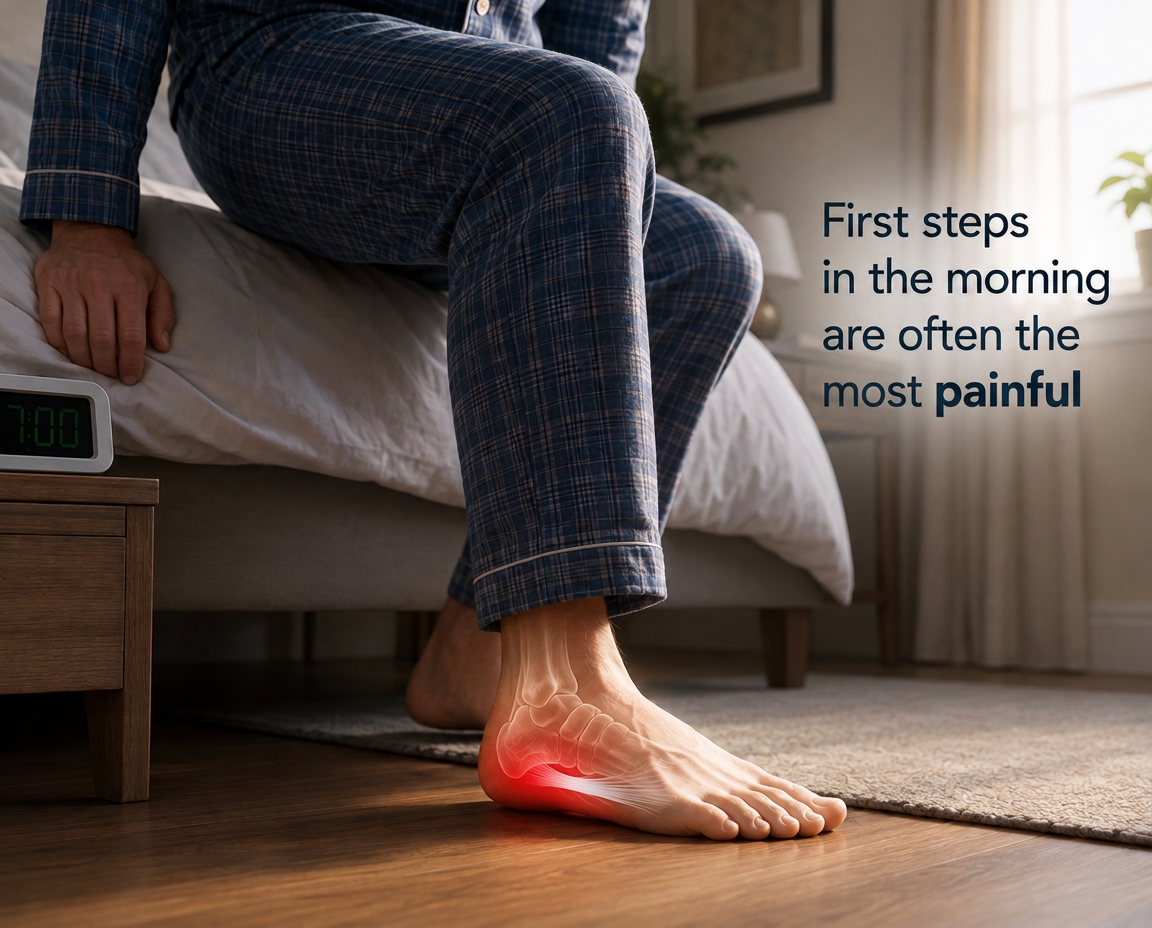
- Pain is usually worst with the first few steps in the morning, or after sitting for a long time.
- Stretching the plantar fascia and calf muscles is one of the most effective first-line treatments.
- Supportive footwear and avoiding prolonged barefoot walking may reduce symptoms and support recovery.
- Most people improve gradually over several months without surgery.
What actually works? Evidence-based treatment summary
| Treatment | Evidence | Recommended? |
|---|---|---|
| Plantar fascia stretching | ★★★★★ | Yes |
| Calf stretching | ★★★★★ | Yes |
| Supportive footwear | ★★★★★ | Yes |
| Activity modification | ★★★★★ | Yes |
| Orthotic insoles | ★★★★☆ | Often helpful |
| Weight loss (where appropriate) | ★★★★☆ | Helpful |
| Ice massage | ★★★☆☆ | Short-term relief |
| Night splints | ★★★☆☆ | Selected patients |
| Shockwave therapy | ★★★★☆ | Persistent symptoms |
| Corticosteroid injection | ★★★☆☆ | Short-term relief only |
| PRP injection | ★★☆☆☆ | Uncertain |
| Surgery | ★☆☆☆☆ | Rarely required |
The bottom line: most people improve with a structured programme of stretching, supportive footwear and a gradual return to activity. More invasive treatments are usually reserved for symptoms that persist despite several months of conservative management.
What is plantar fasciitis?
The plantar fascia is a thick, fibrous band of connective tissue that runs from your heel bone (calcaneus) to the base of your toes.
It has three important jobs: supporting the arch of the foot, helping absorb shock when walking or running, and storing and releasing energy during each step.
Every time you walk, the plantar fascia is placed under tension. If this load becomes greater than the tissue can comfortably tolerate, tiny areas of damage can develop. Over time, the tissue becomes painful and less able to cope with everyday activities.
Although the condition is commonly called plantar fasciitis, research suggests that long-standing cases involve relatively little active inflammation. Instead, they are more accurately described as plantar fasciopathy, reflecting changes within the tendon-like tissue itself. For this reason, modern treatment focuses less on simply reducing inflammation and more on improving the health and loading capacity of the plantar fascia.
Symptoms
Most people describe plantar fasciitis as a sharp or stabbing pain beneath the heel, although the exact pattern varies from person to person. Common symptoms include sharp pain underneath the heel; pain with the first few steps after getting out of bed; pain after sitting for prolonged periods; pain that eases after a few minutes of walking before sometimes returning later in the day; tenderness when pressing the inside of the heel; pain after long periods of standing or walking; and occasionally pain extending into the arch of the foot.
Unlike many injuries, plantar fasciitis often becomes more painful after rest rather than during activity.
Who gets plantar fasciitis?
Plantar fasciitis can affect almost anyone, but it is particularly common in runners; people who spend long hours standing at work; people with a recent increase in walking or exercise; adults aged 40–60 years; people carrying excess body weight; people with tight calf muscles; people with either very flat feet or very high arches; and those wearing unsupportive footwear.
Having one or more of these risk factors does not mean you will definitely develop plantar fasciitis, but they can increase the load placed on the plantar fascia.
Why is the pain worse in the morning?
One of the hallmarks of plantar fasciitis is that the pain is worst during the first few steps after getting out of bed. This happens because, while you sleep, your ankle naturally points slightly downwards and the plantar fascia shortens. When you first stand, the tissue is suddenly stretched under your body weight, placing stress on an already irritated plantar fascia and producing the characteristic sharp heel pain.
As you continue walking, the tissue gradually warms up and becomes more flexible, so the discomfort often settles. However, if you spend long periods standing or walking, the pain may return later in the day.
How is plantar fasciitis diagnosed?
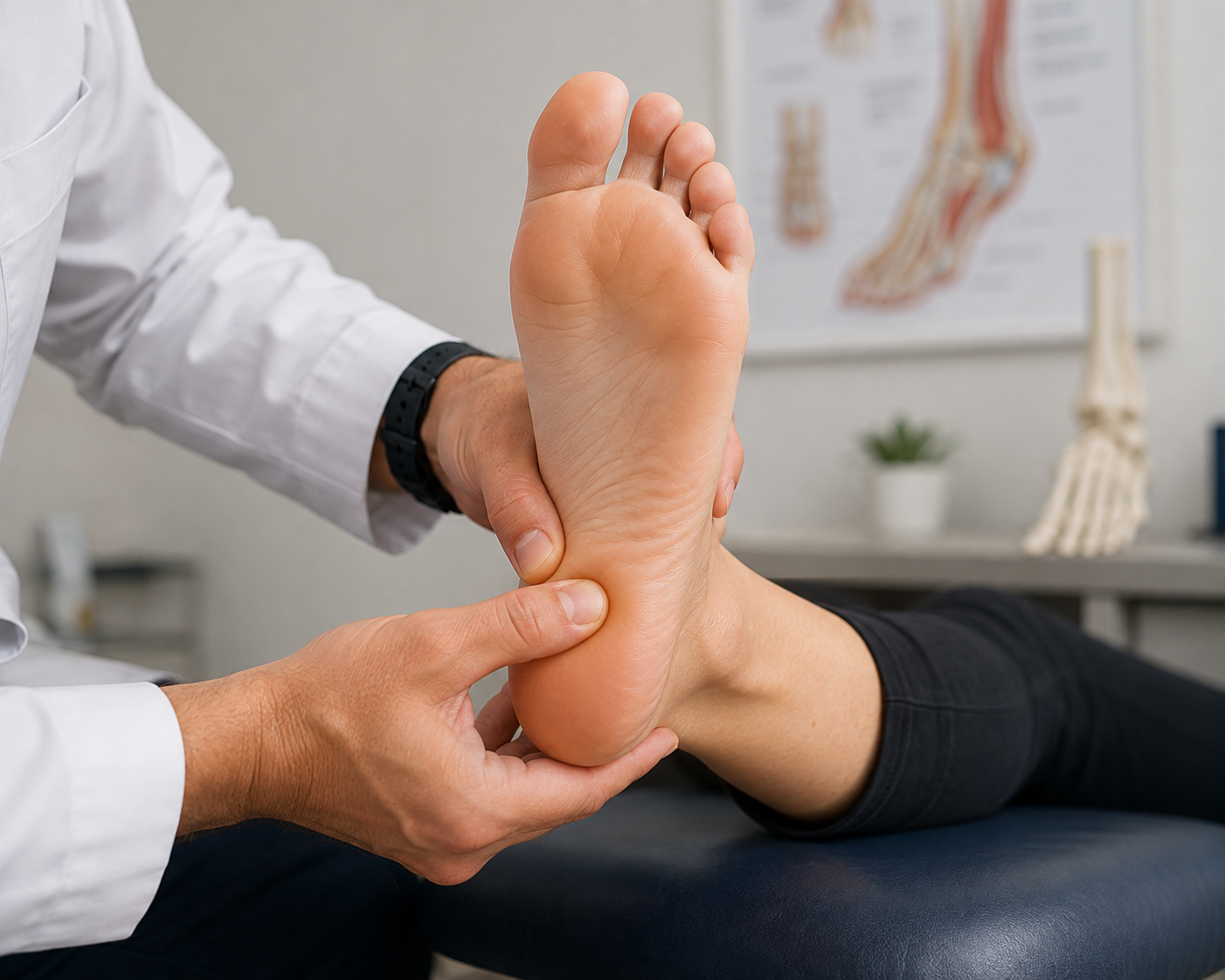
In most cases, plantar fasciitis can be diagnosed from your symptoms and a physical examination. Your healthcare professional will usually ask where the pain is located, when it started, whether it is worse in the morning, about recent changes in activity, your work and sporting activities, and your footwear.
During the examination they may press on the inside of your heel to identify the area of tenderness, assess your calf muscle flexibility, examine your foot posture and arch, and assess your walking pattern.
Do I need a scan?
Most people do not need an X-ray, ultrasound or MRI scan. Imaging is usually reserved for situations where symptoms are unusual, pain is severe or persistent despite appropriate treatment, or another diagnosis is suspected — such as a stress fracture, inflammatory arthritis or nerve entrapment.
A heel spur may sometimes be seen on an X-ray, but this does not necessarily mean it is causing your pain. Many people with heel spurs have no symptoms at all.
Treatment
The vast majority of people with plantar fasciitis recover without surgery. However, recovery is rarely immediate. The plantar fascia heals gradually, and most people improve over several months rather than days.
Modern treatment aims to reduce pain, reduce excessive strain on the plantar fascia, improve flexibility, restore strength and allow a gradual return to normal activities. Rather than relying on a single treatment, the best results usually come from combining several simple measures consistently.
Step-by-step road to recovery
Step 1 — Keep moving, but modify your activities
One of the biggest misconceptions is that you should completely rest your foot until the pain disappears. In reality, complete rest is rarely helpful. Instead, reduce activities that make your pain significantly worse and replace high-impact exercise with lower-impact activities where possible, such as swimming, cycling, a cross trainer or a rowing machine.
If running is painful, temporarily reduce your mileage or switch to lower-impact exercise before gradually building back up. The aim is to keep the plantar fascia active without repeatedly overloading it.
Step 2 — Wear supportive footwear
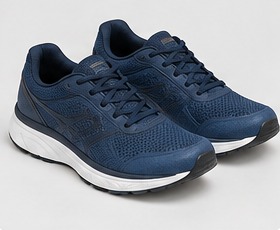
One of the simplest treatments is often one of the most effective. NHS exercise leaflets consistently recommend wearing supportive footwear and avoiding walking barefoot, as cushioned trainers or similar supportive shoes reduce strain on the plantar fascia.
Good footwear should have good heel cushioning, a firm heel counter, arch support, a slightly stiff sole and a comfortable fit. Avoid walking barefoot around the house, worn-out trainers, flip-flops, very flat sandals and unsupportive slippers — walking barefoot places greater tension through the plantar fascia and may aggravate symptoms.
Step 3 — Stretching (probably the most important treatment)
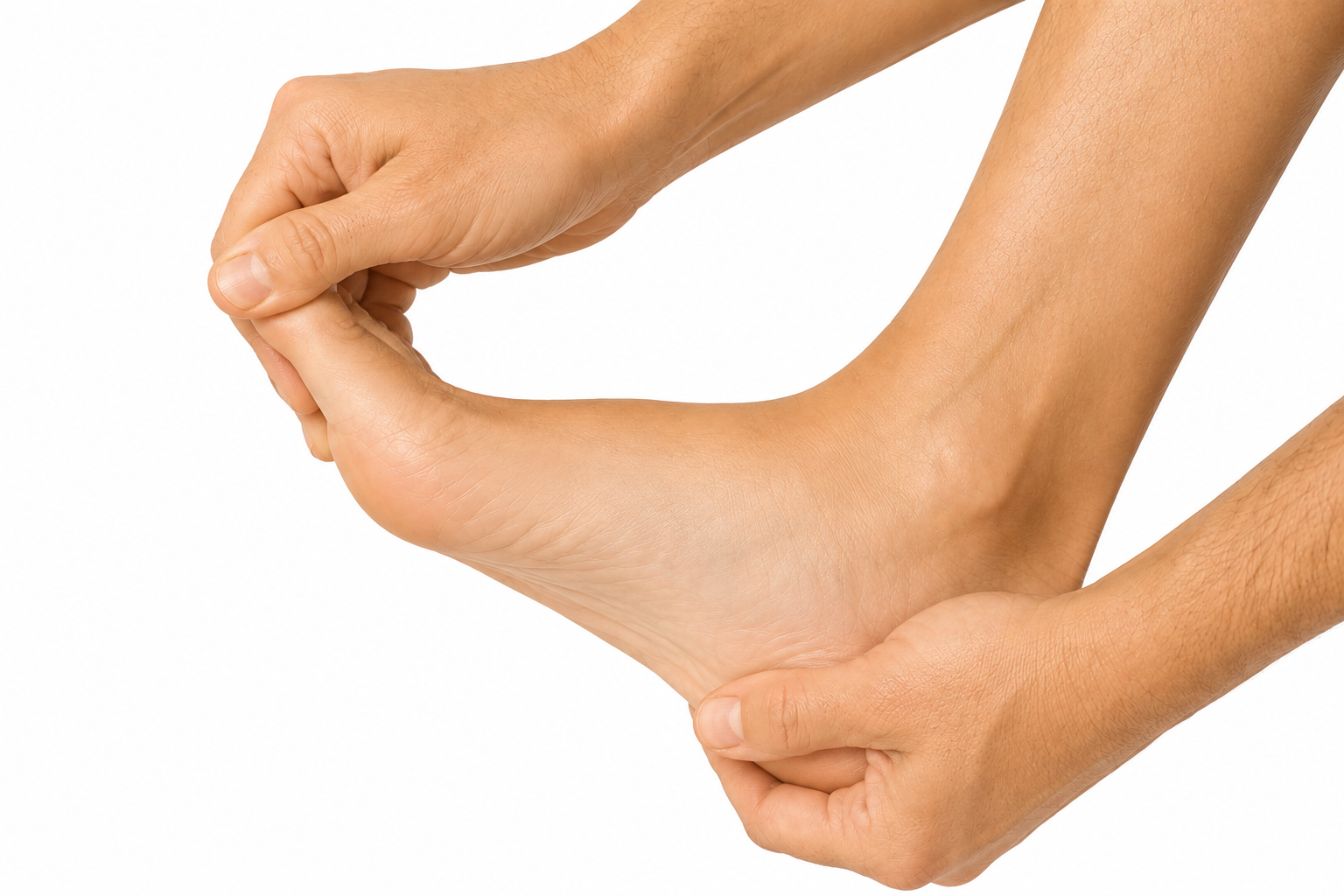
If there is one treatment almost every clinical guideline recommends, it is stretching. Stretching helps reduce tension in the plantar fascia, improve calf flexibility, reduce stress through the heel and improve morning pain. Regular stretching of both the Achilles tendon and the plantar fascia
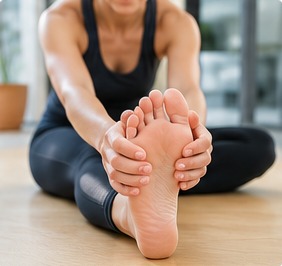
Plantar fascia stretch
Sit comfortably and cross the affected foot over your opposite knee. Hold your toes and pull them gently upwards towards your shin. You should feel a stretch underneath your foot.
Hold for 30 seconds, repeat 5 times, and do this 3–5 times per day — especially before taking your first steps in the morning.
Towel stretch
Before getting out of bed, place a towel, resistance band or dressing gown cord around the ball of your foot. Keeping your knee straight, pull your toes and foot back towards you and hold the stretch. Hold for 30 seconds, repeating five times in the morning and again at night.
Gastrocnemius (straight knee) stretch
Stand facing a wall and place the painful foot behind you. Keep the back knee straight and lean forwards until you feel a stretch in your calf.
Hold for 30 seconds, repeat 10 times, twice daily. This stretches the larger calf muscle.

Soleus (bent knee) stretch
Repeat the same stretch but slightly bend the back knee. This targets the deeper calf muscle. Again: 30 seconds, 10 repetitions, twice daily. The straight-knee and bent-knee versions stretch different parts of the Achilles tendon.

Stair stretch
Stand on a step while holding the handrail. Allow your heels to slowly drop below the level of the step. You should feel the stretch in both calves. Hold for 30 seconds, 5 repetitions, twice daily. This exercise stretches both the Achilles tendon and the plantar fascia.
Step 4 — Strengthening exercises
As pain settles, strengthening becomes increasingly important. The goal is not simply to stretch the plantar fascia but to help it tolerate load more effectively.
Heel raises: stand holding onto a chair, rise slowly onto your toes, pause, then lower slowly. Begin with 3 sets of 10 and progress to single-leg heel raises, then gradually add weight in a backpack if comfortable.
Toe strengthening: exercises that strengthen the small muscles of the foot may improve overall foot function — picking up marbles, picking up a towel with your toes, and short-foot exercises. Evidence for these is less robust than for stretching, but they are commonly included in rehabilitation programmes.
Step 5 — Massage
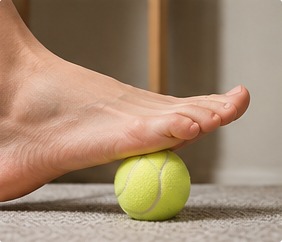
Massage can provide short-term symptom relief. Rolling the arch of the foot over a rolling pin, drinks bottle or tennis ball to mobilise the plantar fascia is good. A chilled can or frozen water bottle can also help relieve discomfort when used for short periods with a protective layer over the skin.
Step 6 — Ice
Ice will not cure plantar fasciitis, but it can reduce pain after activity. Apply for 10–15 minutes after walking, exercise or standing for long periods. Always protect your skin with a cloth or sock.
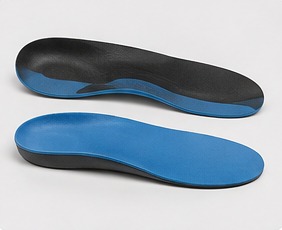
Step 7 — Insoles and orthotics
Orthotics aim to reduce excessive strain on the plantar fascia by supporting the arch of the foot. They may be particularly helpful if you have very flat feet or high arches, spend long periods standing, or have recurrent symptoms.
Off-the-shelf insoles are often sufficient, cheaper and widely available. Custom orthotics may be appropriate for selected patients with complex foot mechanics, although current evidence suggests many people achieve similar improvements with well-fitted prefabricated orthoses. If you have been prescribed insoles, these should generally be removed while performing stretching exercises.
Step 8 — Weight management
Every step places force through the plantar fascia. For people carrying excess body weight, even modest weight loss can reduce the load placed on the heel. Weight loss is not a quick fix, but it may improve long-term symptoms alongside exercise and footwear changes.
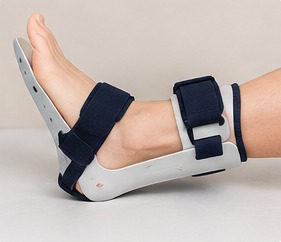
Step 9 — Night splints
Night splints gently hold the ankle in a more upward position while you sleep, preventing the plantar fascia shortening overnight. They may help patients who have severe morning pain, symptoms lasting several months, or who have not responded to stretching alone. Some people find them uncomfortable, so they are not routinely required for everyone.
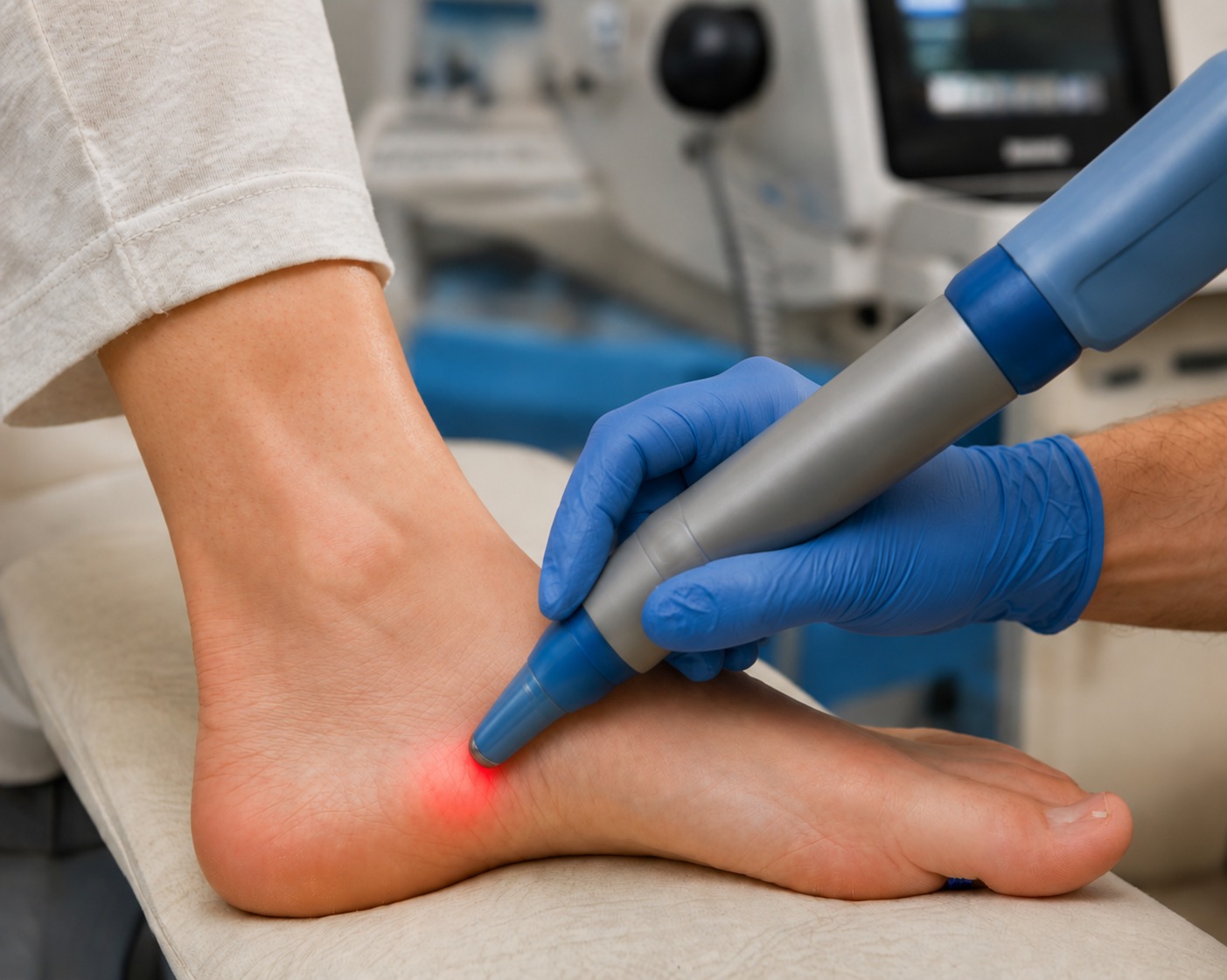
Step 10 — Shockwave therapy
If symptoms persist despite several months of good conservative treatment, extracorporeal shockwave therapy (ESWT) may be considered. Shockwave therapy uses high-energy sound waves directed at the painful area, aiming to stimulate tissue healing and reduce pain.
It is usually performed as an outpatient treatment without general anaesthetic, typically over 3 sessions across several weeks. You may experience temporary discomfort during treatment. Some people notice improvement within a few weeks, while others take several months.
Injections and surgery
Corticosteroid injections
Steroid injections can reduce pain by decreasing inflammation around the painful area. They may be considered when pain is severe, symptoms limit everyday activities, or conservative treatment has not provided sufficient relief.
Potential benefits include relatively rapid pain relief, but the effect may not be permanent. Potential risks include plantar fascia rupture, fat pad atrophy, infection (rare) and a temporary increase in pain after injection. Because of these risks, injections are usually reserved for selected patients rather than used as a first-line treatment.
PRP (platelet-rich plasma)
PRP involves injecting a concentrated sample of your own platelets into the plantar fascia, aiming to encourage tissue healing. Although some studies have reported improvements, the overall evidence remains mixed and PRP is not established as a routine first-line treatment.
Surgery
Fortunately, surgery is rarely required. It is generally considered only after prolonged symptoms despite comprehensive non-surgical treatment. Operations may involve partial release of the plantar fascia, but recovery takes time and surgery carries risks including persistent pain, nerve injury and changes to the mechanics of the foot.
Because most people improve without surgery, non-operative treatment remains the preferred approach.
Recovery timeline
| Time | What to expect |
|---|---|
| 2 weeks | Early improvement |
| 6 weeks | Morning pain improving |
| 3 months | Most people substantially better |
| 6–12 months | Majority recovered |
| 18 months | Occasionally still improving |
Top tips
- Stretch little and often — a few minutes, two to three times a day, beats one long session.
- Wear supportive shoes and avoid walking barefoot on hard floors, especially first thing in the morning.
- Keep moving, but don't push through severe pain: swap temporarily to cycling or swimming.
- Be patient — recovery is gradual and can take 6–12 months in some cases.
- Seek medical advice if heel pain lasts more than 6–12 weeks despite treatment, or if you develop severe pain, numbness or swelling.