Achilles Tendinopathy: Symptoms, Causes, Treatment and Recovery
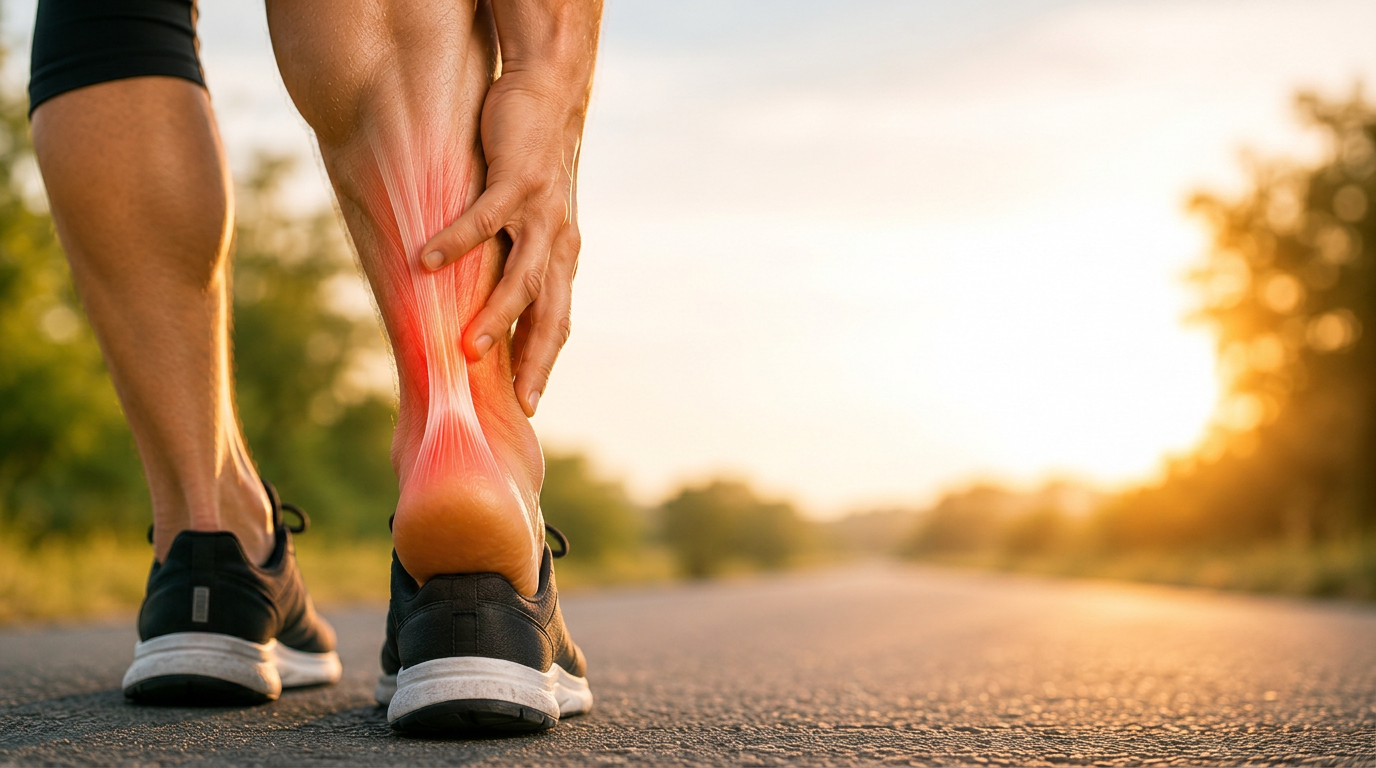
Achilles tendinopathy is one of the most common causes of pain at the back of the heel. Although it frequently affects runners and active people, it can also occur in individuals who have never played sport.
For many years this condition was called Achilles tendonitis, implying that inflammation was the main problem. We now know that, in most cases, the tendon undergoes changes in its structure rather than simply becoming inflamed. For this reason, the preferred term is Achilles tendinopathy.
The good news is that most people recover without surgery. Modern treatment focuses on carefully rebuilding the strength of the tendon through progressive exercise rather than prolonged rest. Recovery does require patience, however, and symptoms often improve gradually over several months rather than a few weeks — it commonly takes 3–6 months to resolve in acute cases, and longer if the condition has become chronic.
This guide explains why Achilles tendinopathy develops, how it is diagnosed, the treatments supported by current evidence, and what you can expect during recovery.
Key points
- Achilles tendinopathy is usually caused by repeated overload rather than a single injury.
- Complete rest is rarely the answer; progressive loading exercises are the cornerstone of treatment.
- Most people recover without surgery, although improvement often takes several months.
- Scans are not always necessary — the diagnosis can usually be made from your history and examination.
- Surgery is generally reserved for people whose symptoms persist despite a well-supervised rehabilitation programme.
What is the Achilles tendon?
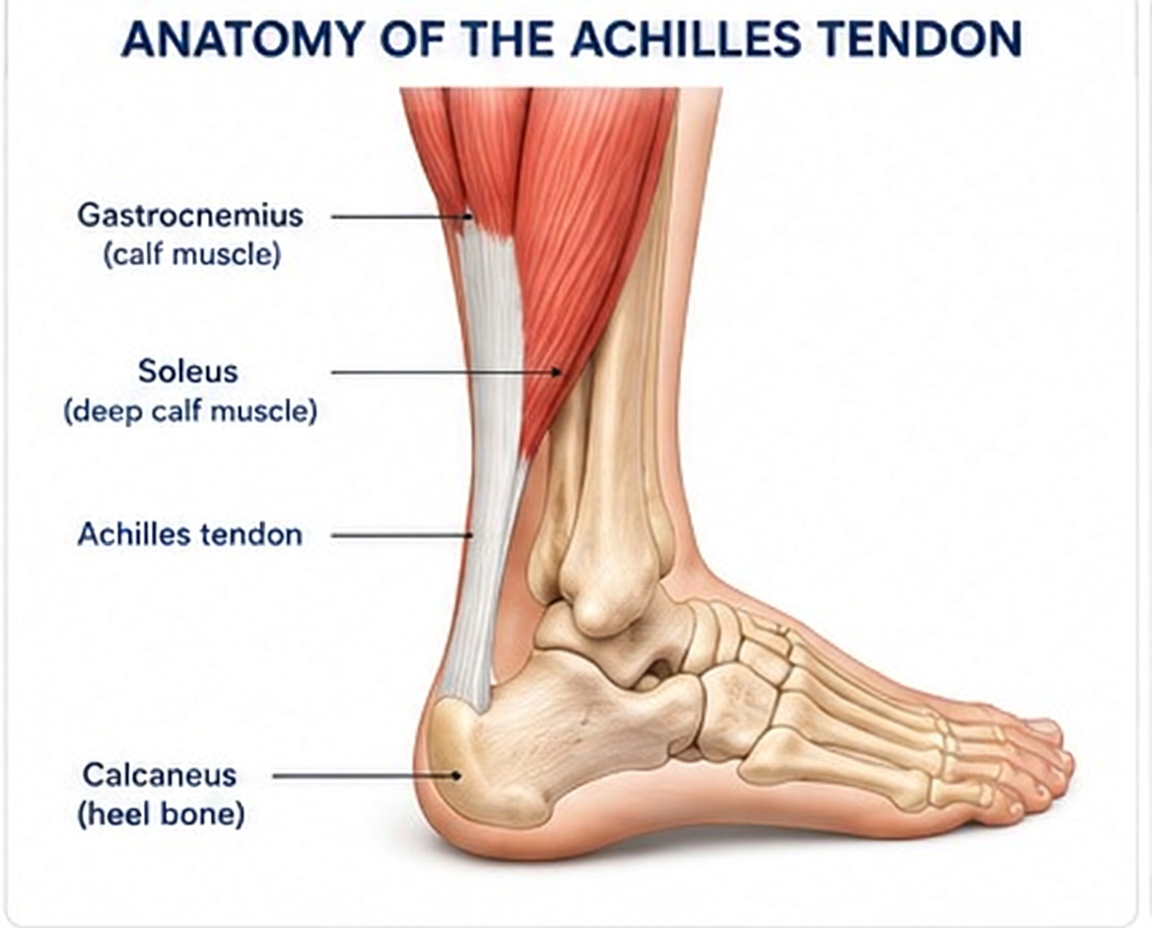
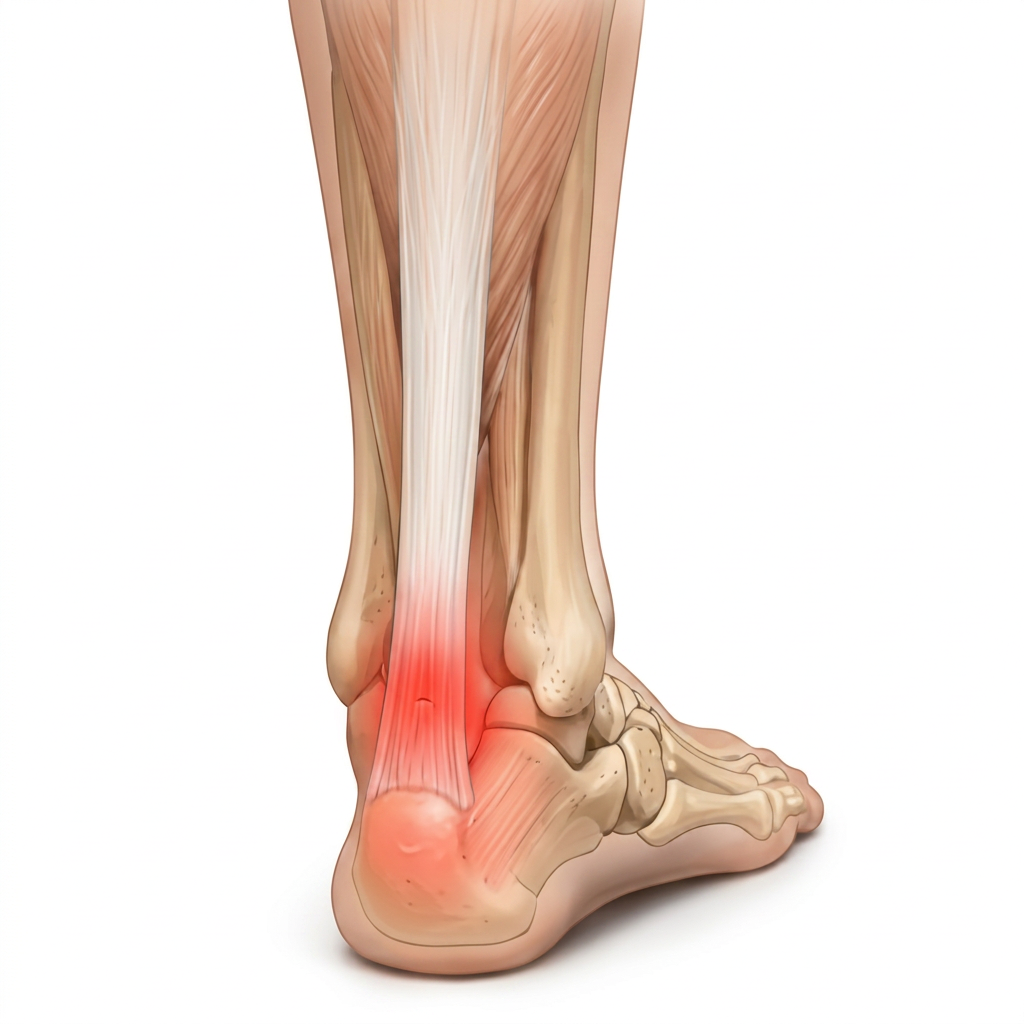
The Achilles tendon is the largest and strongest tendon in the human body. It connects your calf muscles — the gastrocnemius and soleus — to the heel bone (calcaneus). Every time you walk, climb stairs, run or jump, the Achilles tendon transfers the powerful force generated by your calf muscles into movement at the ankle.
During running, the tendon may be subjected to forces of more than six times your body weight, making it one of the hardest-working structures in the body. Despite its strength, the tendon has a relatively poor blood supply compared with muscle. This is one reason why recovery can be slow when it becomes injured.
What is Achilles tendinopathy?
Achilles tendinopathy is a condition in which the Achilles tendon becomes painful and less able to cope with everyday loads.
Rather than being caused by inflammation alone, the tendon develops microscopic changes within its collagen fibres. Repeated overload can lead to weakening and fraying of these fibres. As the tendon attempts to repair itself, it may become thickened and develop small nodules.
This process explains why the tendon often feels thicker than normal, stiff first thing in the morning, painful during or after activity, and tender when squeezed.
Mid-portion vs insertional Achilles tendinopathy
Mid-portion Achilles tendinopathy
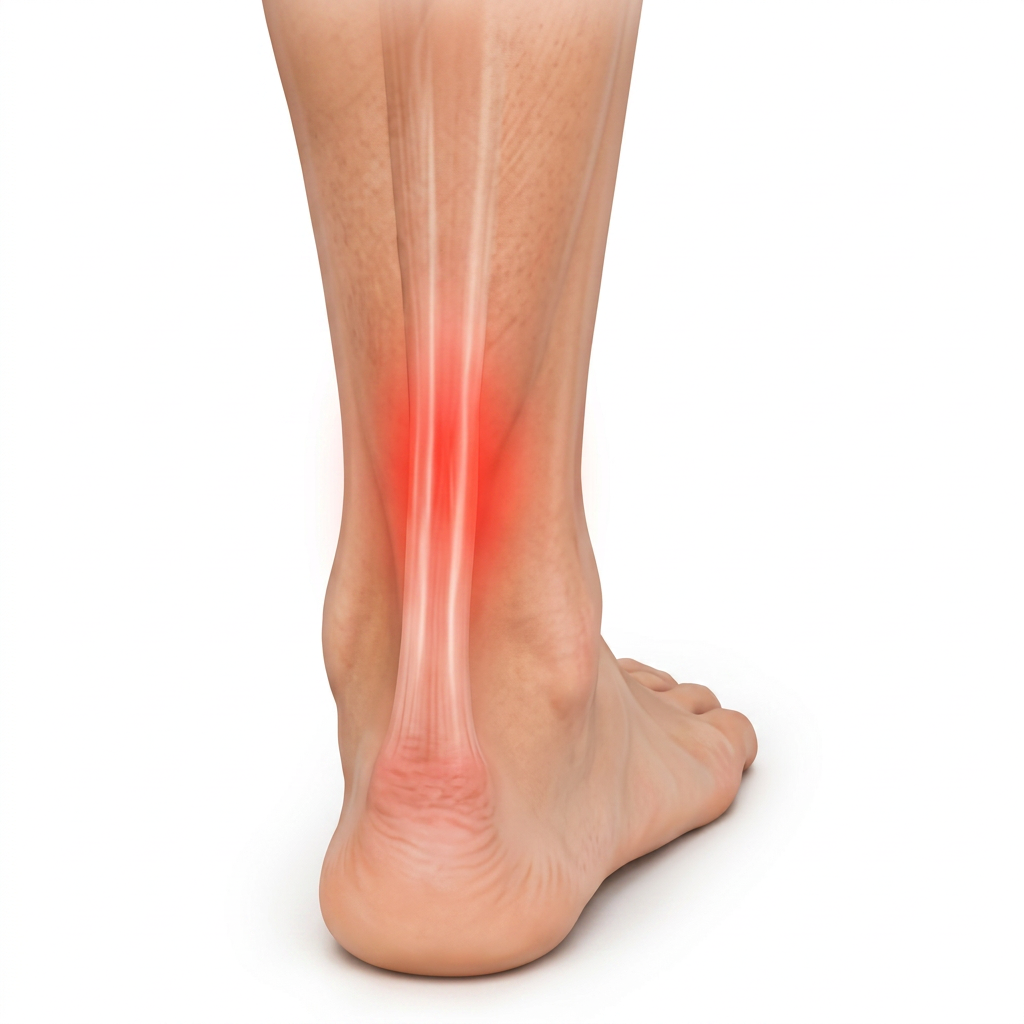
This is the most common form. Pain develops 2–6 cm above the heel bone, where the tendon has its poorest blood supply.
People often describe morning stiffness, pain at the start of exercise, improvement once warmed up, and increased pain later in the day or after activity.
Insertional Achilles tendinopathy
Insertional tendinopathy occurs where the tendon attaches directly to the heel bone. Symptoms are usually felt at the back of the heel, when wearing shoes with rigid heel counters, when walking uphill and when climbing stairs.
Treatment is similar, although certain exercises need modifying because excessive stretching over the edge of a step may aggravate insertional symptoms.
What causes Achilles tendinopathy?
The exact cause is not completely understood. Current evidence suggests that the condition develops when the load placed on the tendon exceeds its ability to repair and adapt. If this imbalance continues, small areas of tendon damage accumulate faster than the body can repair them.
Over time the tendon becomes thicker, weaker, less efficient at transmitting force and more painful during loading. This is why tendinopathy is now considered a load-related condition rather than a purely inflammatory one.
Risk factors
Sudden increase in activity
The most common trigger is increasing activity too quickly — starting a running programme, increasing mileage, hill training, sprint training, or returning to sport after a break.
Tight or weak calf muscles
Limited calf flexibility increases the forces transmitted through the tendon during walking and running, while reduced calf strength means the tendon must work harder during everyday activities.
Foot mechanics
Certain foot shapes may increase strain on the tendon, including flat feet, excessive pronation and reduced ankle movement. Heel lifts or orthotics may be useful in selected patients to reduce strain on the tendon.
Other risk factors
The tendon gradually becomes less elastic with age, and Achilles tendinopathy is particularly common between 30 and 60 years. Carrying extra body weight increases the forces passing through the tendon during walking.
Certain health conditions increase the risk, including diabetes, inflammatory arthritis, obesity and high cholesterol. Some medicines have also been associated with tendon problems, including fluoroquinolone antibiotics and corticosteroids — particularly repeated injections around tendons. Always discuss any concerns with your doctor before stopping prescribed medication.
Symptoms
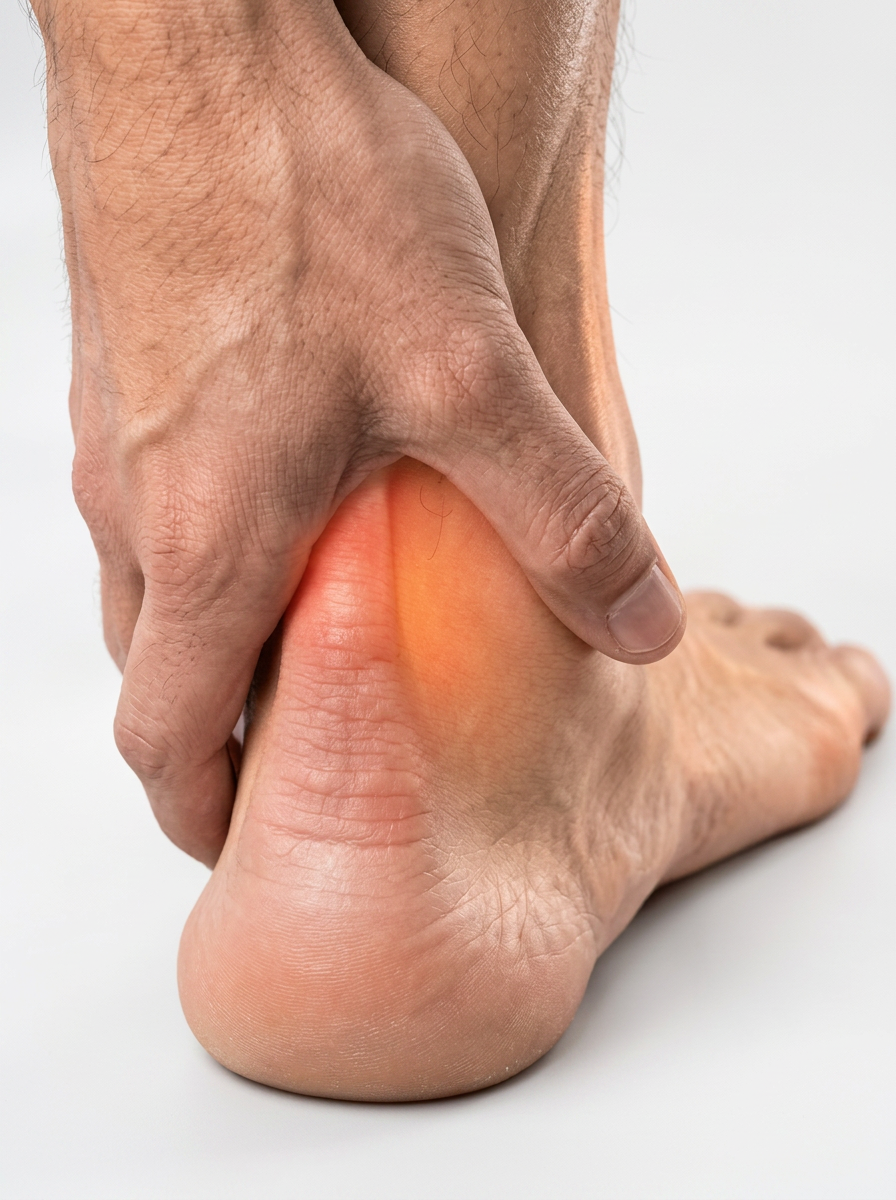
Symptoms often develop gradually rather than following a single injury. Common symptoms include pain at the back of the heel, morning stiffness, tenderness when squeezing the tendon, pain during or after exercise, thickening of the tendon and reduced sporting performance.
Many people notice that the first few steps out of bed are the most uncomfortable. As the tendon warms up, symptoms may improve temporarily before returning later in the day. This pattern is highly characteristic of Achilles tendinopathy.
How is Achilles tendinopathy diagnosed?
Diagnosis is usually straightforward. Your clinician will ask where the pain is located, when it started, about your sporting activities, recent changes in training and any previous tendon injuries.
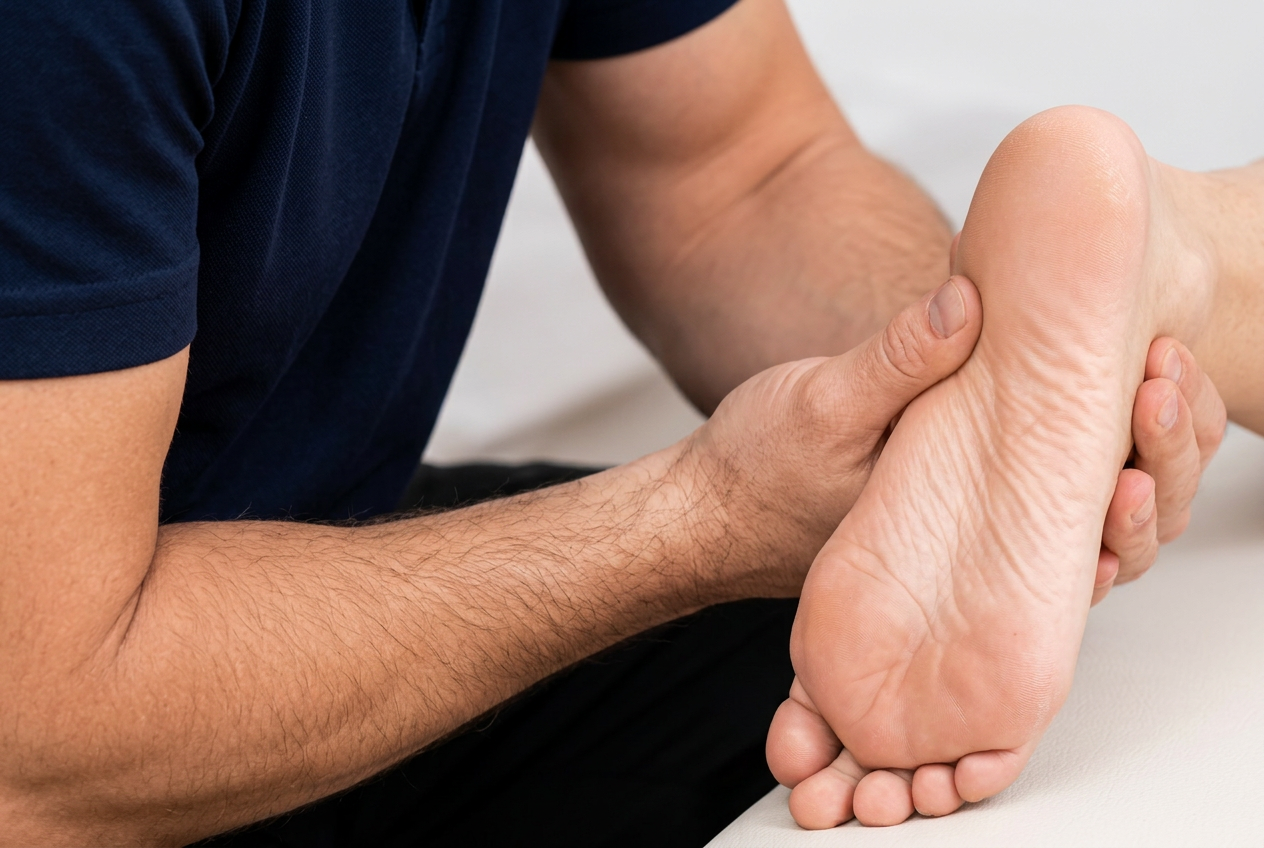
They will then examine your foot and ankle. Common examination findings include tenderness over the tendon, tendon thickening, pain during single-leg heel raises, reduced calf strength and reduced ankle flexibility. In most cases, these findings are enough to make the diagnosis.
Do I need an ultrasound or MRI scan?
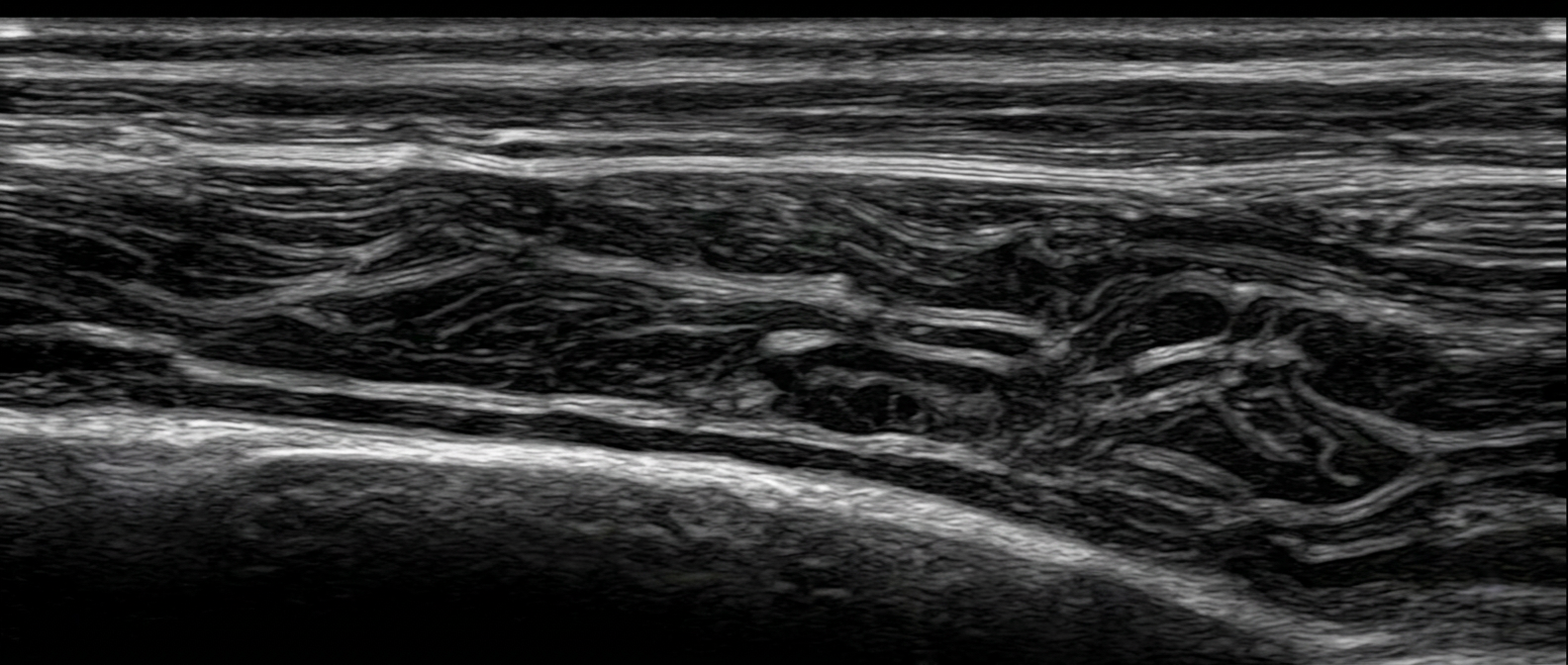
Usually not. Most people do not require imaging before starting treatment. However, your clinician may request an ultrasound or MRI if the diagnosis is uncertain, symptoms fail to improve, a tendon tear is suspected, or surgery is being considered.
It is worth remembering that scans can show tendon changes in people who have no pain at all, so imaging results must always be interpreted alongside your symptoms and examination.
Could it be an Achilles tendon rupture?
Achilles tendinopathy develops gradually. By contrast, an Achilles tendon rupture usually causes a sudden sharp pain, a popping or snapping sensation, difficulty walking and an inability to stand on tiptoe. A rupture is a medical emergency and requires urgent assessment.
When should you seek medical advice?
Arrange an assessment if heel pain lasts more than a few weeks, symptoms are affecting work or sport, the tendon becomes increasingly swollen, you develop a noticeable lump, pain persists despite modifying activity, or you suddenly feel a snap or cannot push off your foot.
Early treatment often prevents symptoms from becoming chronic and reduces the risk of prolonged rehabilitation.
How is Achilles tendinopathy treated?
The most important principle is simple: the tendon needs the right amount of load — not complete rest.
Many people stop all activity because they are worried about damaging the tendon. Unfortunately, prolonged rest weakens both the calf muscles and the tendon itself. Instead, treatment aims to gradually rebuild the tendon's ability to cope with load through a structured rehabilitation programme. The majority of patients improve without surgery, although recovery often takes several months.
Activity modification
During the painful phase it is sensible to reduce activities that place excessive stress on the tendon. This does not mean complete rest. Reduce running mileage, avoid hill running and sprinting, reduce jumping sports, and continue activities that produce little pain.
Good alternatives include cycling, swimming, the cross trainer and upper body gym work. It is recommended to avoid high-impact activities during the acute phase while symptoms settle.
Should I exercise if it hurts?
This is probably the most common question patients ask. The answer is yes — but within reason.
Some discomfort during rehabilitation exercises is considered acceptable. Pain that settles soon afterwards and does not significantly worsen the following morning is usually not a sign that damage is occurring. Pain may temporarily increase during the first several weeks of an eccentric loading programme before gradually improving.
Think of rehabilitation as training the tendon rather than resting it.
Progressive loading — the cornerstone of treatment
Modern research consistently shows that progressive strengthening exercises are the most effective treatment for Achilles tendinopathy. The goal is to gradually increase the tendon's capacity so it can once again tolerate walking, running and sport. Treatment should progress in stages.
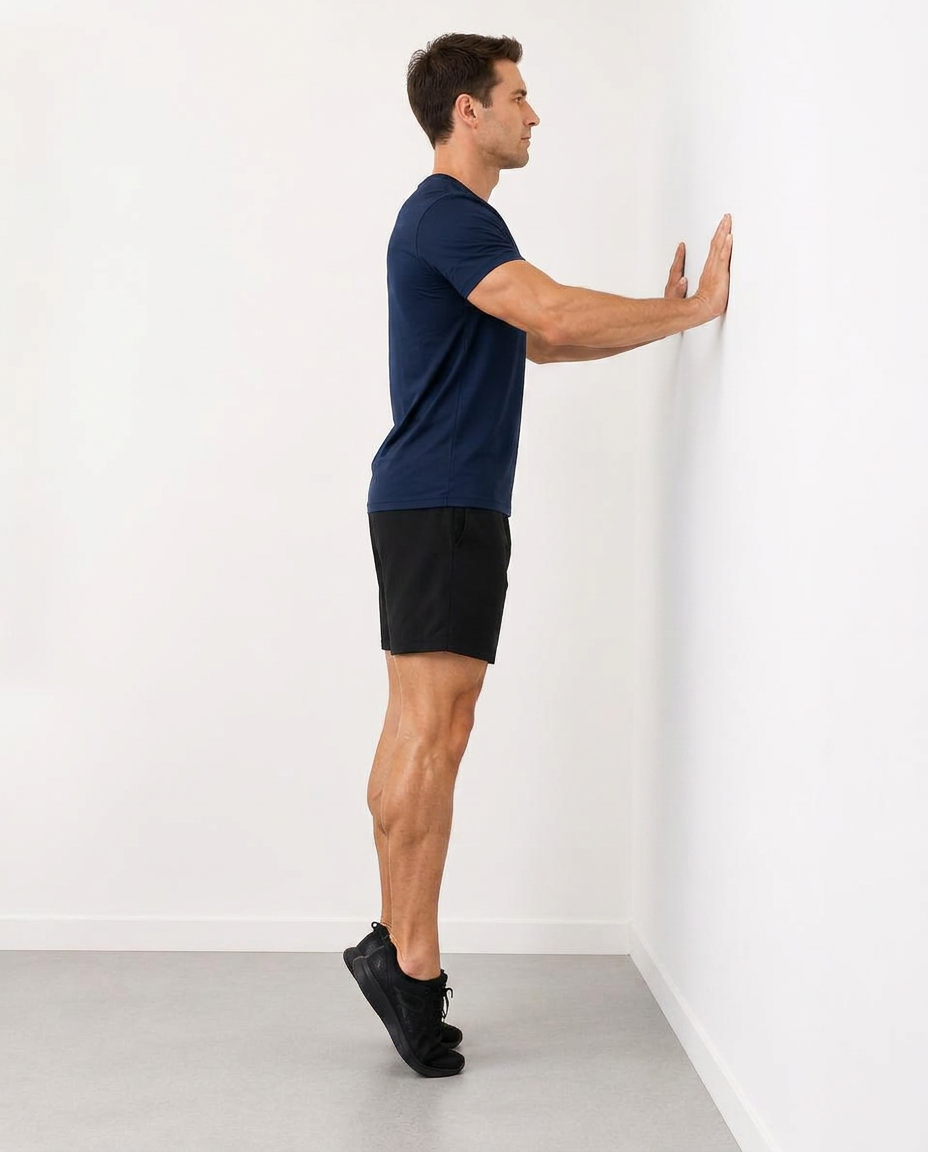
Stage 1 – Isometric exercises
These exercises involve contracting the calf muscles without much movement and may help reduce pain in the early stages. For example, stand on tiptoes and hold for 30–45 seconds, repeating 5 times, several times daily.
Stage 2 – Slow heel raises
As symptoms settle, begin strengthening with double-leg heel raises and then single-leg heel raises, initially on flat ground. Progress by increasing repetitions, adding weight and slowing the movement.
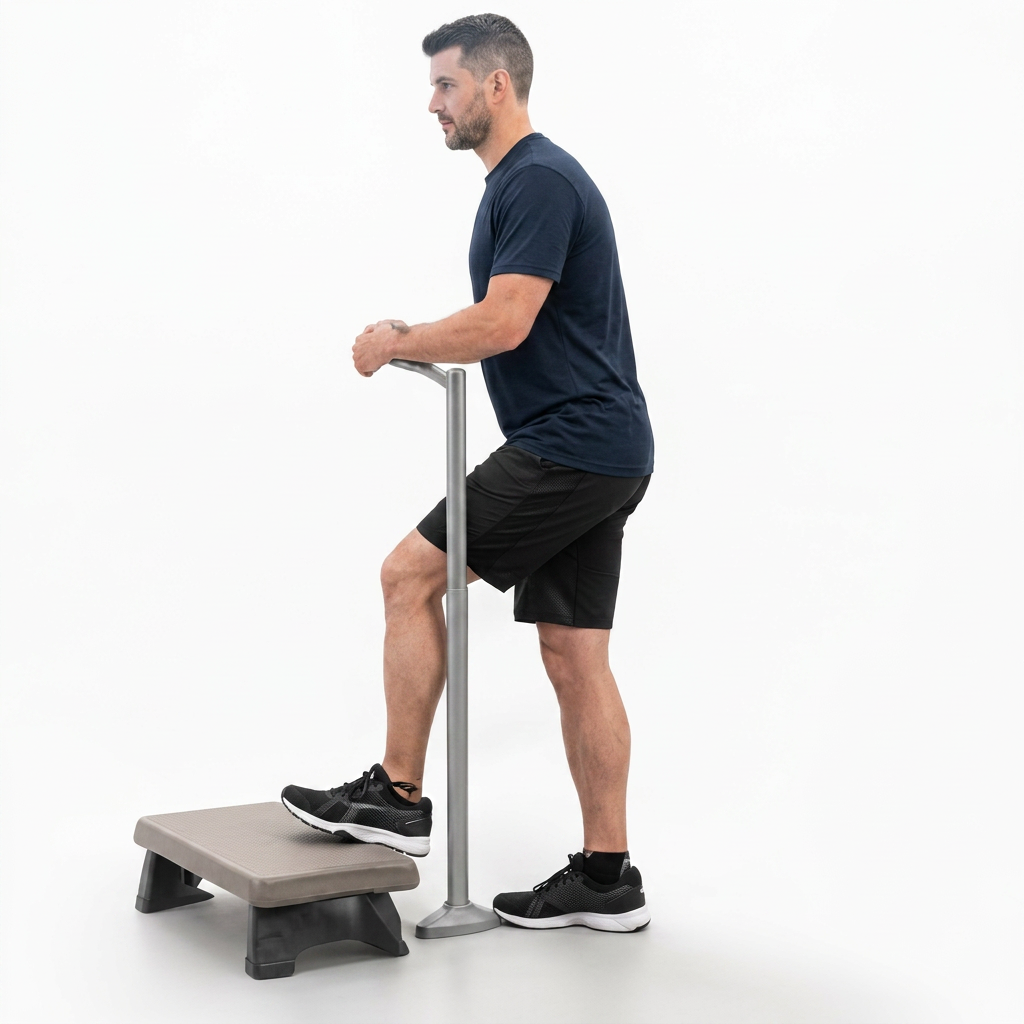
The Alfredson eccentric programme
One of the best-known rehabilitation programmes is the Alfredson eccentric loading programme. Eccentric loading is an important part of rehabilitation and it is recommended to continue the programme for 12 weeks, as symptoms may temporarily increase before improving.
A typical programme involves rising onto tiptoes using both legs, transferring your weight onto the affected leg, slowly lowering your heel, and repeating with the knee straight and then slightly bent. Traditionally this is performed as 3 sets of 15 repetitions, twice daily, for 12 weeks. Although newer programmes are often tailored to the individual, eccentric loading remains an effective option.
Stage 3 – Heavy slow resistance
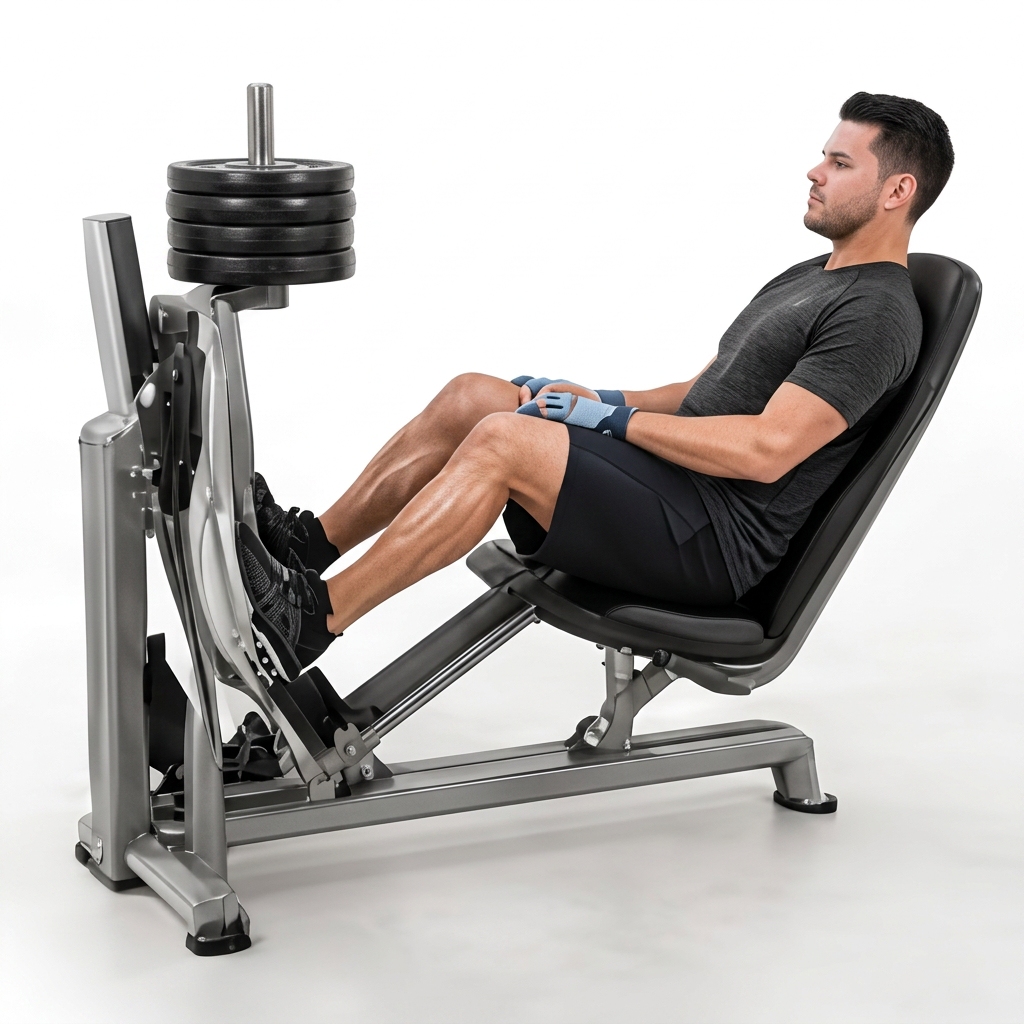
Current evidence suggests that heavy slow resistance training is highly effective. Examples include weighted calf raises, seated calf raises, standing calf raises and leg press calf raises. The aim is gradual strengthening rather than rapid movements.
Stretching
Tight calf muscles increase strain on the Achilles tendon. Gentle stretching of both the gastrocnemius and the soleus may improve flexibility and reduce symptoms.
Typical stretches are held for 30 seconds, repeated 3–5 times, several times each day. Both straight-knee (gastrocnemius) and bent-knee (soleus) stretches should be part of the rehabilitation programme.
Supportive measures
Footwear
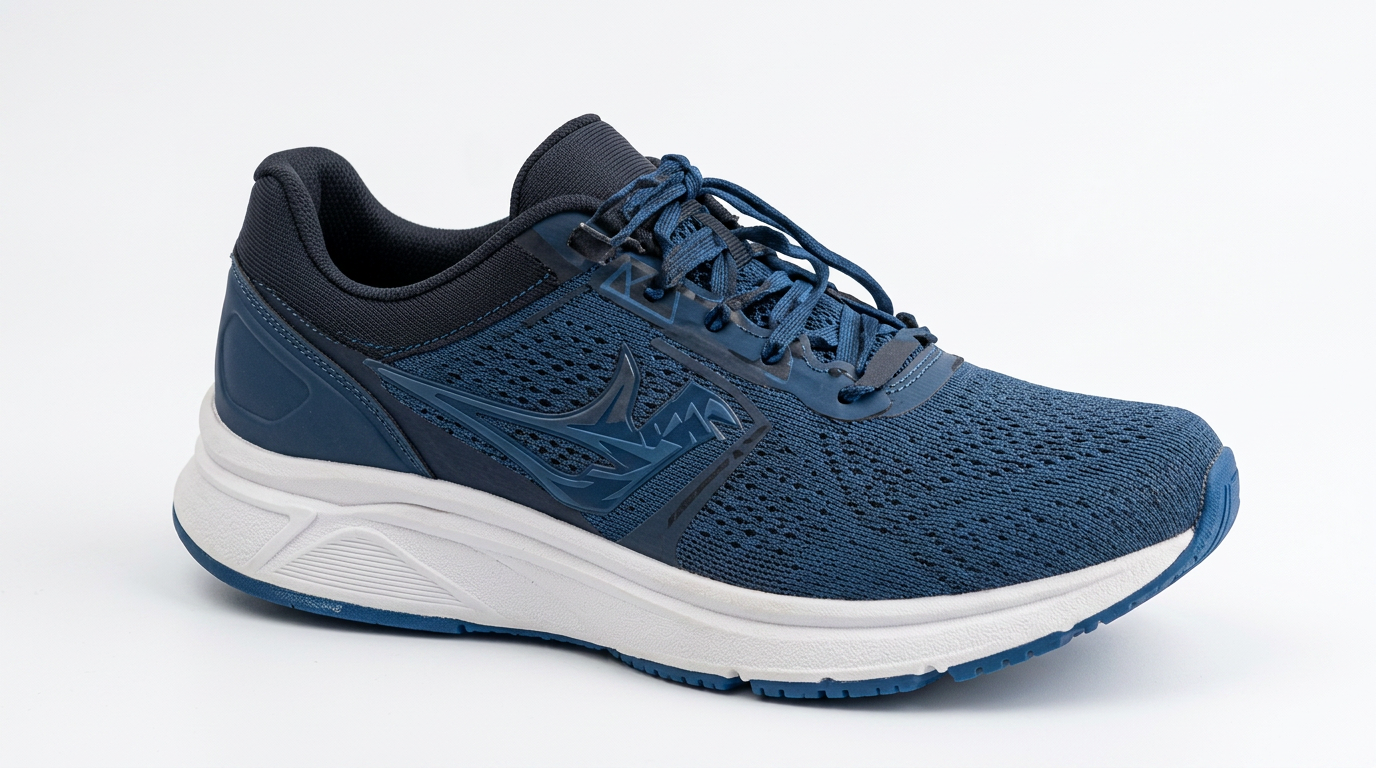
Supportive footwear can make a significant difference. Look for shoes that provide good heel cushioning, a supportive heel counter, appropriate arch support and adequate shock absorption.
Avoid worn-out running shoes, minimalist shoes during painful phases, and walking barefoot on hard floors if this aggravates symptoms.
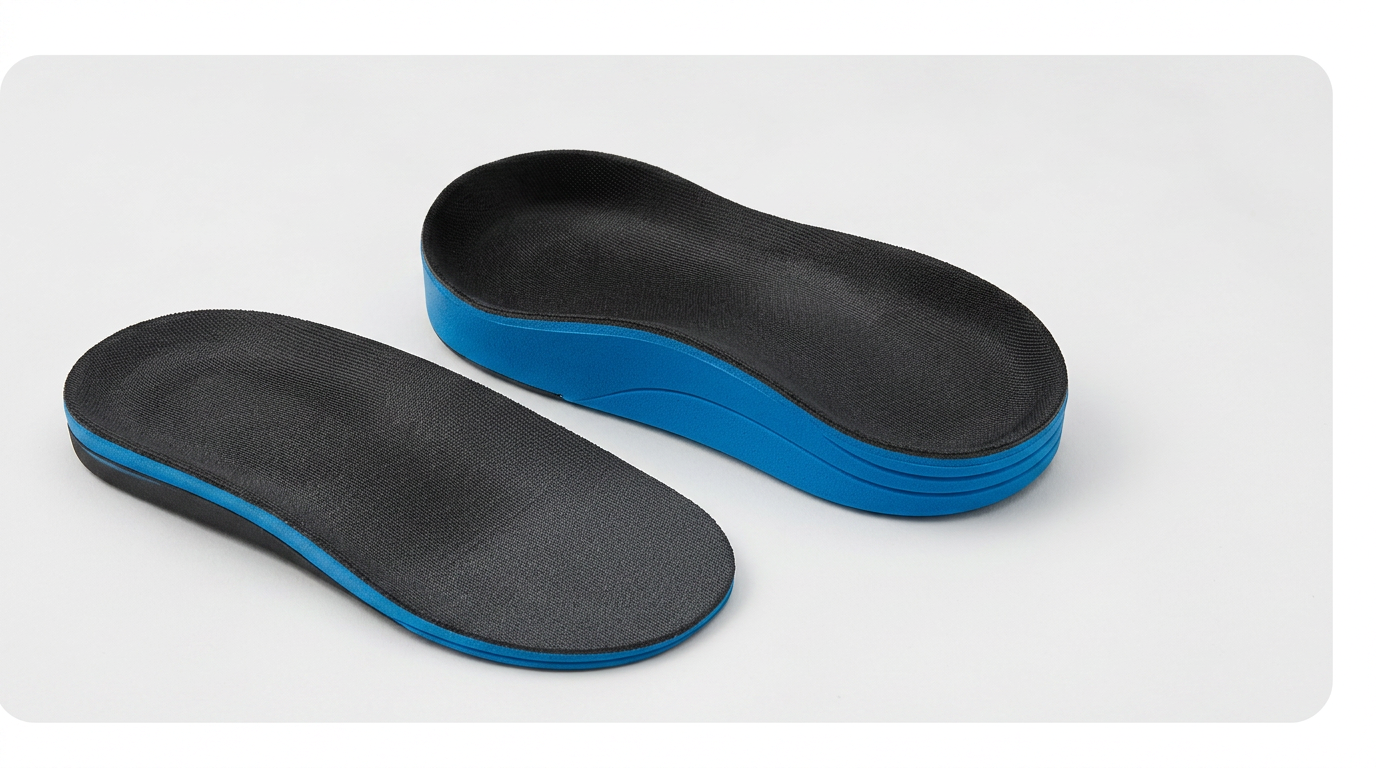
Heel lifts
Heel lifts reduce tension on the Achilles tendon by slightly shortening it during walking. They may be particularly useful during the painful phase, in insertional Achilles tendinopathy, and when returning to walking after a flare-up. Heel lifts are usually a temporary measure rather than a long-term solution.
Ice and pain relief
Ice may help reduce pain after activity. NHS advice recommends applying ice for up to 10 minutes, using a towel between the ice and the skin, and repeating up to four times daily if needed.
Simple painkillers such as paracetamol may help control symptoms. Non-steroidal anti-inflammatory drugs (NSAIDs) may provide short-term pain relief, but prolonged use should be discussed with a healthcare professional because it may interfere with tendon healing. Medication should be viewed as a way to help you continue rehabilitation — not as a cure.
Other treatments
Shockwave therapy
Extracorporeal shockwave therapy (ESWT) uses sound waves to stimulate healing within the tendon. Current evidence suggests that ESWT may help some people whose symptoms persist despite a structured exercise programme, particularly when combined with ongoing rehabilitation. It is usually considered after several months of unsuccessful conservative treatment rather than as a first-line option.
PRP (platelet-rich plasma) injections
PRP injections involve concentrating platelets from your own blood and injecting them into the tendon. Although this treatment has received considerable publicity, research has produced mixed results and current evidence does not consistently show that PRP provides better outcomes than a well-performed exercise programme. For most patients, progressive loading remains the treatment with the strongest evidence.
Corticosteroid injections
Steroid injections are commonly used for some musculoskeletal conditions but are generally avoided within or around the Achilles tendon. Although they may reduce pain in the short term, they can weaken tendon tissue and may increase the risk of rupture. If an injection is being considered, discuss the potential benefits and risks carefully with your specialist.
When is surgery needed?
Fortunately, surgery is required in only a small minority of patients. It is usually considered when symptoms persist for more than 6–12 months, a structured rehabilitation programme has failed, pain significantly limits work or sport, imaging confirms persistent tendon disease, or quality of life is substantially affected. Most patients improve without reaching this stage.
What does surgery involve?
The operation depends on the type and severity of tendinopathy. Common procedures include removing diseased tendon tissue (debridement), removing inflamed tissue around the tendon, repairing or reinforcing the tendon, removing bone spurs in insertional tendinopathy, and occasionally transferring another tendon (such as the flexor hallucis longus) if the Achilles tendon is severely damaged. The exact procedure is tailored to the individual.
Recovery after surgery
| Time after surgery | What to expect |
|---|---|
| 0–2 weeks | Walking boot, wound healing and elevation |
| 2–6 weeks | Physiotherapy begins, increasing weight-bearing and gentle ankle movement |
| 6–12 weeks | Progressive strengthening, walking without the boot if advised, light functional activities |
| 3–6 months | Brisk walking, gym-based strengthening and a gradual return to recreational sport |
| 6–12 months | Most patients reach their final level of recovery |
Return to running
Returning to running too early is one of the commonest reasons for recurrence. Most rehabilitation programmes recommend progressing only when you can walk briskly without pain, perform repeated single-leg heel raises comfortably, hop on the affected leg with minimal discomfort and complete strengthening exercises without a flare-up the next day.
A gradual return to running — starting with short, easy runs on flat ground — is usually safest.
Frequently asked questions
Is Achilles tendinopathy the same as tendonitis?
Not usually. Most long-standing cases involve changes to the tendon structure rather than ongoing inflammation, which is why the term tendinopathy is preferred.
Will it heal on its own?
Some mild cases improve with reduced activity, but most people recover more quickly with a structured rehabilitation programme.
Should I stop running completely?
Not always. Many people can continue running at a reduced level while modifying their training, provided symptoms remain manageable.
Can the tendon rupture?
Achilles tendinopathy may increase the risk of rupture, although most people with tendinopathy never experience one. A sudden "pop", severe pain and inability to stand on tiptoe require urgent medical assessment.
Do I need surgery?
Most people recover without surgery. Surgery is reserved for persistent symptoms that have not improved after a comprehensive rehabilitation programme.
Recovery timeline
| Time | What to expect |
|---|---|
| 0–2 weeks | Reduce aggravating activities, begin pain management and gentle loading |
| 2–6 weeks | Progressive strengthening and improved walking tolerance |
| 6–12 weeks | Increasing calf strength and gradual return to higher-level activities |
| 3–6 months | Most people experience substantial improvement |
| 6–12 months | Recovery continues, particularly in long-standing cases |
The OrthoZone take-home message
Achilles tendinopathy is one of the most treatable tendon problems, but recovery requires patience. Progressive loading exercises — not prolonged rest — form the foundation of successful treatment. Most people improve without surgery, although consistent rehabilitation over several months is usually needed to restore full strength and function.
Top tips
- Keep the tendon moving — complete rest usually delays recovery. Reduce painful activities while following a structured loading programme.
- Strength is the best medicine: progressive calf strengthening has the strongest evidence, and consistency matters more than intensity.
- Wear supportive footwear, and consider temporary heel lifts to reduce strain during recovery.
- Expect recovery to take time — often 3–6 months, and longer in long-standing cases.
- Seek help if you are not improving after several months of well-performed rehabilitation, or if you feel a sudden "pop" in the tendon.
Related articles
Plantar Fasciitis (Plantar Fasciopathy): Symptoms, Treatment and Recovery
An evidence-based guide to plantar fasciitis: symptoms, causes, treatments, exercises, recovery and when to seek medical advice.
Bunion (Hallux Valgus): Symptoms, Treatment and Surgery
Learn about bunions (hallux valgus), including symptoms, causes, footwear advice, non-surgical treatment and when surgery may be appropriate.