Bunion (Hallux Valgus): Symptoms, Treatment and Surgery
A bunion is one of the most common foot conditions seen by orthopaedic surgeons and podiatrists. It affects millions of people worldwide and can make everyday activities such as walking, exercising or simply wearing shoes increasingly uncomfortable.
Many people believe that bunions are caused by wearing tight shoes. While footwear can certainly make symptoms worse, the reality is far more complex. Bunions usually develop because of a combination of inherited foot shape, joint instability and changes in the way the foot bears weight over many years.
The good news is that most bunions can be managed without surgery, particularly in the early stages. Simple measures such as choosing better footwear, using padding or orthotic devices and modifying activities are often enough to control symptoms. For people whose pain continues despite these treatments, surgery can provide excellent pain relief and improve function.
This guide explains what bunions are, why they develop, how they are diagnosed and the evidence behind both non-surgical and surgical treatment options.
Key points
- Bunions are a progressive deformity of the joint at the base of the big toe.
- The main aim of treatment is to reduce pain and improve function, not simply improve appearance.
- Wide, supportive footwear is often the most effective first treatment.
- Splints and exercises may improve comfort but cannot reverse the deformity.
- Surgery is usually reserved for patients whose symptoms persist despite appropriate non-operative treatment.
What is a bunion?
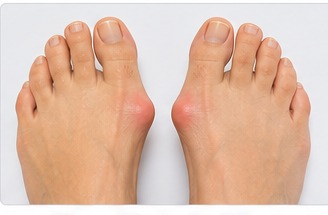
A bunion, known medically as hallux valgus, is a deformity affecting the joint at the base of the big toe.
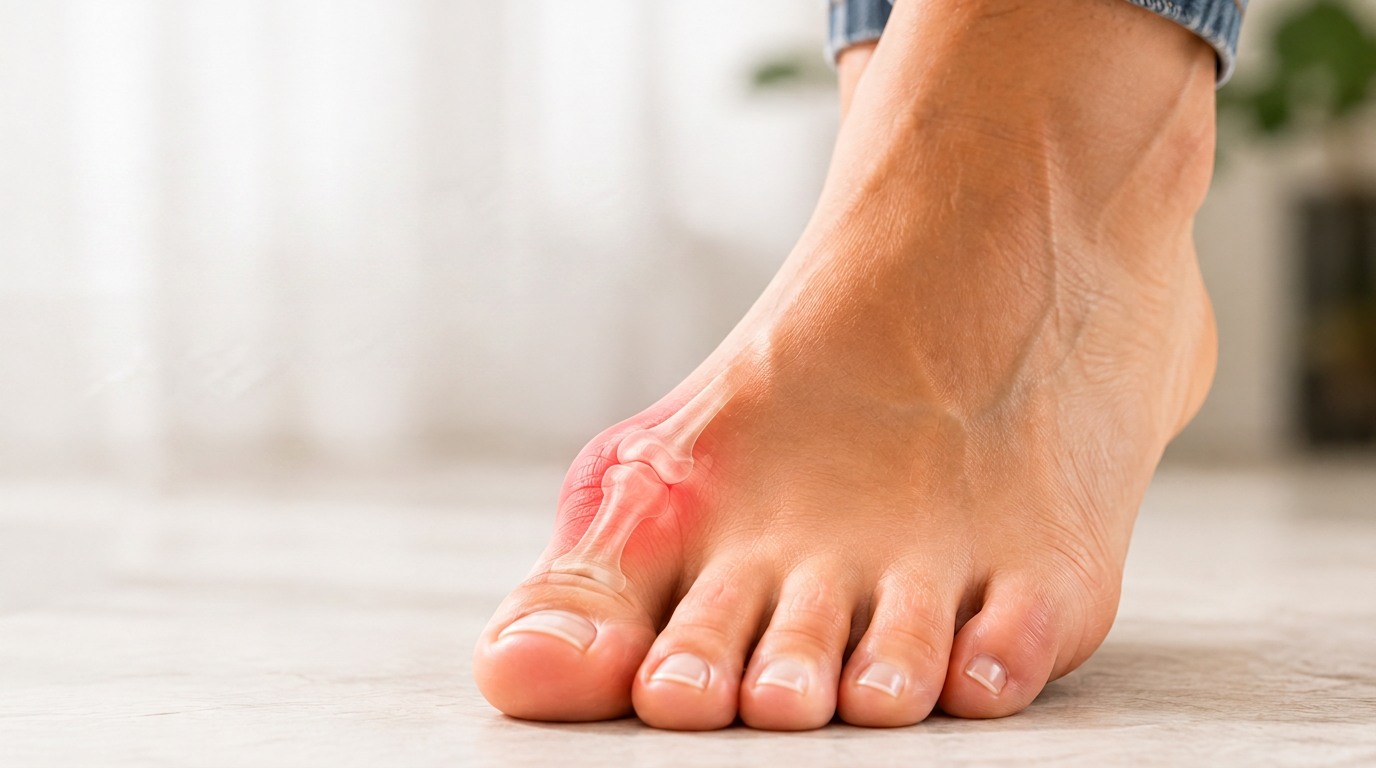
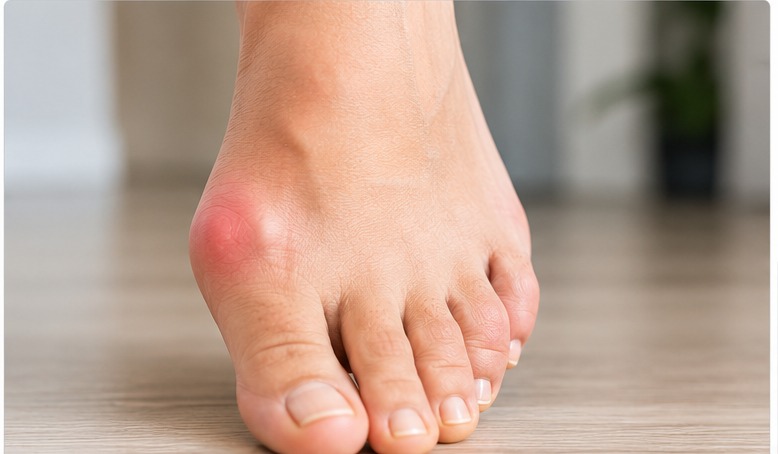
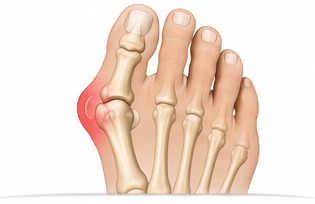
In a healthy foot, the big toe points forwards and lines up with the other toes. In hallux valgus, the big toe gradually drifts towards the second toe while the first metatarsal bone moves in the opposite direction. This creates the characteristic bony prominence on the inside of the foot.
Over time the deformity may slowly increase, making footwear uncomfortable and placing extra pressure on surrounding joints. It is important to understand that the bunion is not simply an extra lump of bone. Instead, it represents a change in the alignment of the bones, ligaments and tendons around the joint.
Understanding the deformity
As the bunion develops, several changes occur: the first metatarsal drifts inwards; the big toe moves outwards; the joint becomes less stable; surrounding tendons gradually pull the toe further sideways; pressure develops over the prominent bone; and shoes begin rubbing against the bunion.
These changes explain why symptoms often worsen gradually over many years.
Who gets bunions?
Bunions become increasingly common with age. They affect approximately one in four adults, although many people have mild deformities that never require treatment.
Women are affected considerably more often than men. This is partly because women are more likely to inherit the foot shape associated with bunions, although footwear choices may also contribute to symptoms.
Bunions are also frequently seen in people with a strong family history, flat feet, ligament laxity ("loose joints"), inflammatory arthritis such as rheumatoid arthritis, or neurological conditions affecting muscle balance.
What causes bunions?
There is no single cause. Instead, bunions usually develop because several factors act together over many years.
Genetics
The strongest risk factor is family history. Research suggests that people inherit the shape of their feet rather than the bunion itself. If one or both parents have bunions, you are significantly more likely to develop them.
Foot shape
Some feet place greater stress on the first metatarsophalangeal (MTP) joint. Examples include flat feet, a hypermobile first ray, a long first metatarsal and abnormal joint mechanics. These factors allow the deformity to progress over time.
Footwear
One of the biggest myths is that shoes cause bunions. Current evidence suggests that footwear is unlikely to be the primary cause in most people. However, narrow or pointed shoes can increase pressure over the bunion, make pain worse and accelerate symptoms in people already predisposed. High heels increase pressure through the forefoot and may aggravate discomfort.
Arthritis
Inflammatory arthritis, particularly rheumatoid arthritis, can damage supporting ligaments around the joint, allowing the deformity to progress more rapidly.
Previous injury
Occasionally bunions develop after injuries affecting the first MTP joint. These cases are less common but may produce a more rapidly progressive deformity.
What symptoms do bunions cause?
Not everyone with a bunion has pain. In fact, some people have a severe deformity with very little discomfort, while others experience significant pain despite only a small bunion.
Common symptoms include pain over the inside of the big toe, difficulty finding comfortable shoes, rubbing against footwear, redness and swelling, aching after prolonged walking, stiffness in the big toe, reduced movement and cosmetic concerns. Symptoms usually develop gradually rather than suddenly.
Why do bunions hurt?
Pressure from shoes
The most common cause is repeated rubbing between the prominent bone and footwear. This can inflame the tissues covering the bunion and make even short walks uncomfortable.
Joint arthritis
As alignment worsens, the cartilage inside the joint may gradually wear away. This can produce deeper aching pain, stiffness, swelling and reduced movement.
Transfer of pressure
Because the first ray becomes less efficient during walking, extra weight may pass through the smaller toes. This may lead to pain beneath the second metatarsal, callus formation and metatarsalgia.
Toe deformities
Over time the second toe may begin to overlap or become clawed. This can create additional pain and difficulty wearing shoes.
How are bunions diagnosed?
In most cases, diagnosis is straightforward. Your clinician will usually diagnose a bunion by discussing your symptoms, examining your foot, assessing your walking pattern, checking joint movement and looking for associated toe deformities.
The severity of the bunion does not always match the amount of pain. For this reason, treatment is based on symptoms rather than X-ray appearance alone.
Do I need an X-ray?
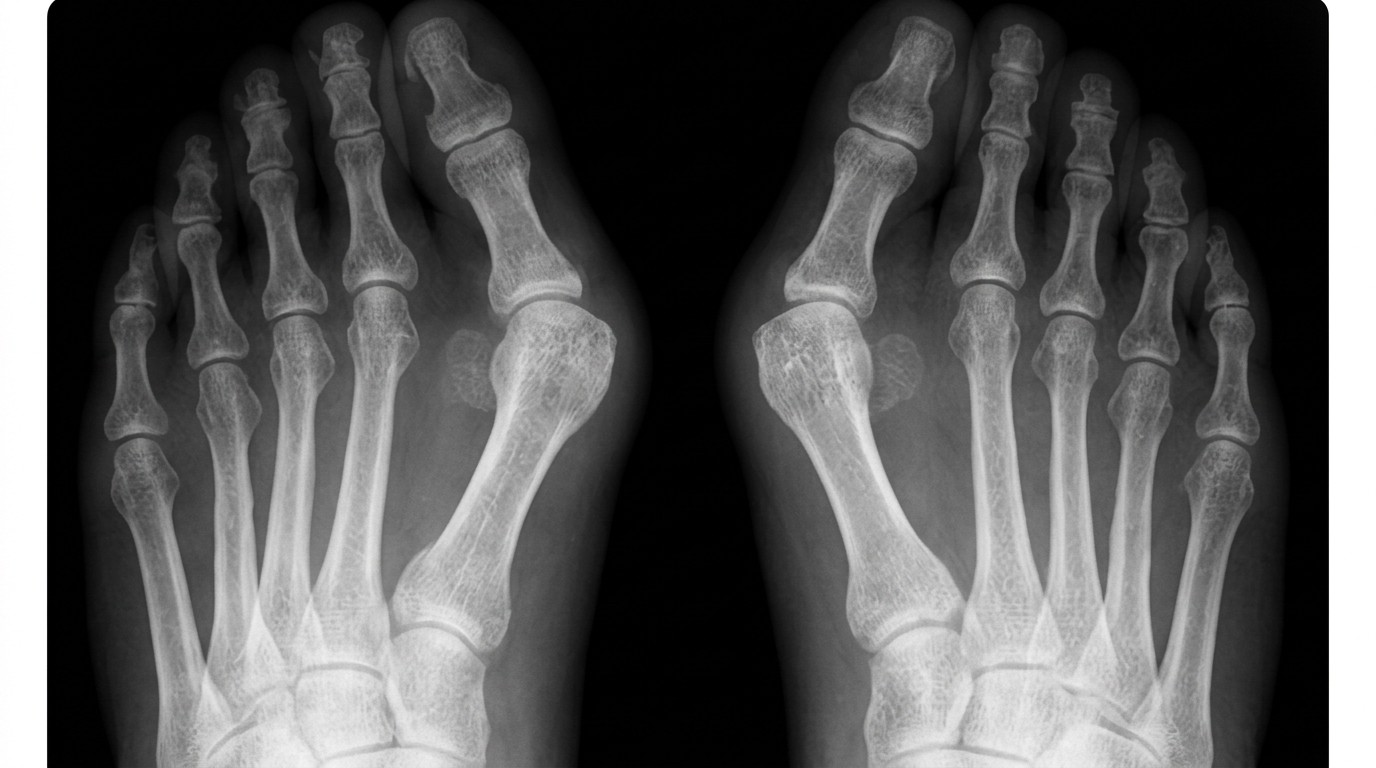
Not everyone requires imaging. However, weight-bearing X-rays are often performed when surgery is being considered, the diagnosis is uncertain, arthritis is suspected, or there is concern about another foot condition.
Weight-bearing X-rays allow surgeons to measure the hallux valgus angle, the intermetatarsal angle, joint congruency, arthritis and overall foot alignment. These measurements help determine which operation, if any, is most appropriate.
When should you seek medical advice?
Arrange an assessment if pain is affecting your daily activities, you struggle to find comfortable footwear, the deformity is worsening rapidly, the second toe is beginning to deform, symptoms continue despite changing footwear, you have diabetes or poor circulation and develop skin breakdown, or swelling or redness develops suddenly without an obvious cause.
Early assessment can often prevent symptoms becoming more difficult to manage.
How are bunions treated?
Treatment depends on your symptoms rather than the appearance of your foot. Many people have large bunions that cause very little discomfort, while others experience significant pain despite only a mild deformity.
The goals of treatment are to relieve pain, improve walking, reduce rubbing in shoes, maintain activity levels and prevent further disability.
It is important to understand that no non-surgical treatment has been shown to permanently straighten a bunion. Conservative treatment focuses on controlling symptoms, while surgery is the only option that can reliably correct the deformity.
Non-surgical treatment
Most people should begin with simple, non-operative treatments. These are often very effective, particularly in the early stages.
1. Footwear — the most important treatment
Choosing the right shoes is often the single most effective way to reduce bunion pain. Look for shoes with a wide toe box, soft flexible uppers, a low heel (less than 2–3 cm), good cushioning and a supportive sole.
Avoid pointed shoes, narrow fitting shoes, very high heels and shoes that press directly on the bunion. Many patients notice a significant improvement in pain simply by changing their footwear.
If your bunion hurts in one pair of shoes but not another, your footwear — not the bunion — is often the easiest problem to fix.

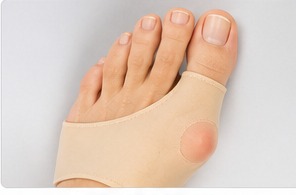
2. Gel pads and bunion cushions
Silicone bunion pads reduce pressure between the bunion and your shoe. They may help if the skin is rubbing, you develop redness, or walking is uncomfortable. These products do not correct the deformity, but many people find them helpful for day-to-day comfort.
3. Toe spacers
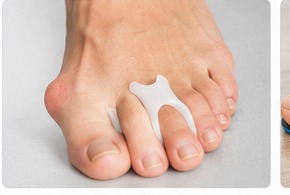
Toe spacers are widely available. They may temporarily improve toe alignment, reduce rubbing between the first and second toes and improve comfort inside shoes. However, current evidence suggests they do not permanently straighten the bunion or prevent progression.
4. Insoles and orthotics
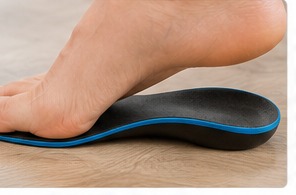
Some patients also benefit from insoles. These may improve weight distribution, reduce pressure under the forefoot and improve walking comfort. They are particularly useful in people who also have flat feet, metatarsalgia or over-pronation.
Custom orthotics are not necessary for everyone. Many patients do well with high-quality prefabricated insoles.
5. Exercises
One of the most common questions is: can exercises get rid of a bunion? Unfortunately, the answer is no. Once the bones have changed position, exercises cannot move them back.
However, exercises may help maintain joint mobility, reduce stiffness, improve balance, strengthen foot muscles and improve overall foot function.
Big toe stretch: gently pull the big toe into a straighter position. Hold for 30 seconds and repeat 5 times.
Toe spreading: spread your toes apart as far as comfortable. Hold for 5 seconds and repeat 10–15 times.
Towel scrunches: place a towel on the floor and scrunch it towards you using your toes for 2–3 minutes.
Marble pick-ups: pick up small objects using your toes. This helps strengthen the intrinsic muscles of the foot.
6. Pain relief
Pain relief may include paracetamol, anti-inflammatory medication (NSAIDs) and topical anti-inflammatory gels. These treatments reduce symptoms but do not alter the underlying deformity.
People with stomach ulcers, kidney disease or certain cardiovascular conditions should seek medical advice before taking NSAIDs.
7. Ice
Applying an ice pack for 10–15 minutes after prolonged walking or standing may help reduce discomfort and swelling. Always wrap ice in a towel rather than placing it directly on the skin.
Can bunions be reversed without surgery?
Unfortunately not. There is currently no evidence that exercises, splints, braces, toe separators, massage or manipulation can permanently reverse an established bunion. These treatments may reduce symptoms, but they do not change the underlying alignment of the bones.
When is surgery recommended?
Surgery should be considered when pain significantly limits daily activities, footwear modifications no longer help, walking becomes increasingly difficult, the deformity continues to progress, the second toe is becoming affected, or quality of life is reduced.
Surgery is not usually recommended for cosmetic reasons alone. The primary aim is to improve pain and function.
What does bunion surgery involve?
There are over 100 different operations described for bunions. Fortunately, only a small number are commonly used today. The best procedure depends on the severity of the deformity, joint stability, arthritis, foot shape, patient age and activity level.

Chevron osteotomy
Usually performed for mild to moderate bunions. The metatarsal bone is cut and realigned before being held with screws.
Scarf osteotomy
One of the most commonly performed procedures. Suitable for many moderate deformities, it provides excellent stability and allows early mobilisation.
Akin osteotomy
Often performed alongside another procedure. This straightens the big toe itself.
Lapidus procedure
Recommended when there is significant instability at the base of the first metatarsal. This operation involves fusion of the first tarsometatarsal joint. Although recovery is longer, it offers excellent correction in appropriately selected patients.
Minimally invasive (keyhole) bunion surgery
Smaller incisions are used together with specialised instruments and X-ray guidance. Potential advantages include smaller scars, less soft tissue disruption and earlier recovery in some patients.
Current evidence suggests outcomes are broadly comparable with traditional open surgery when performed by experienced surgeons. The surgeon's experience is often more important than whether the operation is performed through large or small incisions.
What are the risks of surgery?
Modern bunion surgery is generally very successful, but no operation is risk free. Potential complications include infection, delayed bone healing, nerve irritation, stiffness, recurrence, overcorrection, blood clots (rare) and persistent swelling. Fortunately, serious complications are uncommon.
Recovery after surgery
Recovery is gradual.
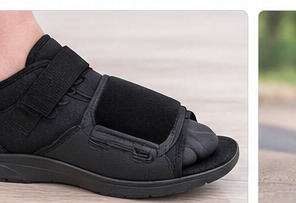
First 2 weeks: the foot is elevated regularly, a protective surgical shoe is worn, the wound heals and walking is limited to short distances.
Weeks 2–6: walking increases, swelling slowly improves and most everyday activities return.
6–12 weeks: transition back into comfortable footwear, driving (depending on the operated foot and your surgeon's advice) and gentle exercise.
3–6 months: most patients notice major improvement.
6–12 months: final swelling settles and the final appearance of the foot becomes apparent.
| Time | What to expect |
|---|---|
| 2 weeks | Wound healing, protected walking |
| 6 weeks | Comfortable walking in many patients |
| 3 months | Most daily activities resumed |
| 6 months | Swelling continues to improve |
| 12 months | Final recovery and cosmetic appearance |
Does the bunion come back?
Recurrence is uncommon but can occur. Risk factors include severe deformity before surgery, ligament laxity, poor correction, inflammatory arthritis and inappropriate footwear. Fortunately, most patients experience long-term improvement.
Frequently asked questions
Can bunions disappear by themselves?
No. Once established, they do not disappear without surgery.
Are bunions inherited?
Yes. Genetics is one of the strongest risk factors.
Are high heels the cause?
Not usually. They rarely cause bunions on their own but may aggravate symptoms in susceptible individuals.
Can exercises straighten a bunion?
No. Exercises may improve flexibility and function but cannot correct the deformity.
Is surgery painful?
Modern pain management means most patients experience manageable discomfort during the early recovery period. Pain usually improves steadily over the first few weeks.
The OrthoZone take-home message
Most bunions can be managed successfully without surgery. Choosing supportive footwear, reducing pressure on the joint and staying active are the cornerstones of treatment. If pain continues to affect your daily life despite these measures, modern bunion surgery can provide excellent pain relief and improve function when performed for the right reasons.
Top tips
- Choose shoes that fit your foot, not your fashion — a wide toe box and supportive sole dramatically reduce pain and rubbing.
- Reduce pressure on the bunion with gel pads, silicone toe spacers or cushioned insoles.
- Stay active: complete rest is rarely necessary, so keep walking and exercising within your comfort level.
- Surgery is about improving pain and function — not simply the appearance of your foot.
- Give recovery time: whether you have surgery or not, improvement is gradual.