
Types of Knee Braces: Which Knee Support Is Right for You?
Knee braces range from simple elastic sleeves to rigid supports designed to control movement after major injury or surgery. Although they may look similar online, different braces serve very different purposes. A compression sleeve may provide warmth and mild support, while an offloader brace aims to reduce pressure through one side of an arthritic knee. A post-operative brace may restrict movement altogether.
Choosing the wrong brace may provide little benefit, feel uncomfortable or interfere with recovery. The correct choice depends on the cause of your symptoms, how stable the knee is, your activity level and whether you are recovering from surgery.
This guide explains the main types of knee braces, how they work, which conditions they may suit, their limitations and how to wear them safely.
Key points
- There is no single “best” knee brace — different designs serve different purposes.
- Compression sleeves provide mild support, while hinged and rigid braces offer progressively greater control.
- Offloader braces are designed mainly for arthritis affecting one side of the knee.
- Immobilisers and range-of-motion braces should usually be used under professional guidance.
- A brace should complement diagnosis, rehabilitation and exercise — not replace them.
What is a knee brace?
A knee brace is an external support worn around the knee and, in some designs, part of the thigh and lower leg.
Depending on its construction, a brace may be intended to provide compression and warmth, improve confidence during movement, support an unstable knee, guide the kneecap, limit excessive movement, restrict the knee to a prescribed range, redistribute load away from a painful area, or protect healing tissues after injury or surgery.
The design should match its intended function. Braces are usually grouped into prophylactic, rehabilitative, functional and offloader categories, alongside simpler sleeves and patellofemoral supports.
A knee brace is not a diagnosis
Knee pain can arise from many different structures, including the articular surfaces affected by osteoarthritis, the menisci, the anterior or posterior cruciate ligaments, the medial or lateral collateral ligaments, the kneecap and patellofemoral joint, the patellar or quadriceps tendon, and the surrounding muscles and soft tissues.
The same symptom can have several possible causes. For example, a knee that “gives way” may be affected by ligament instability, pain-related muscle inhibition, kneecap instability or another condition.
For this reason, it is sensible to understand the diagnosis before spending money on a brace. Brace selection depends on the condition, severity, activity level and individual needs — choosing without a diagnosis may lead to little benefit or inappropriate support.
1. Compression knee sleeves
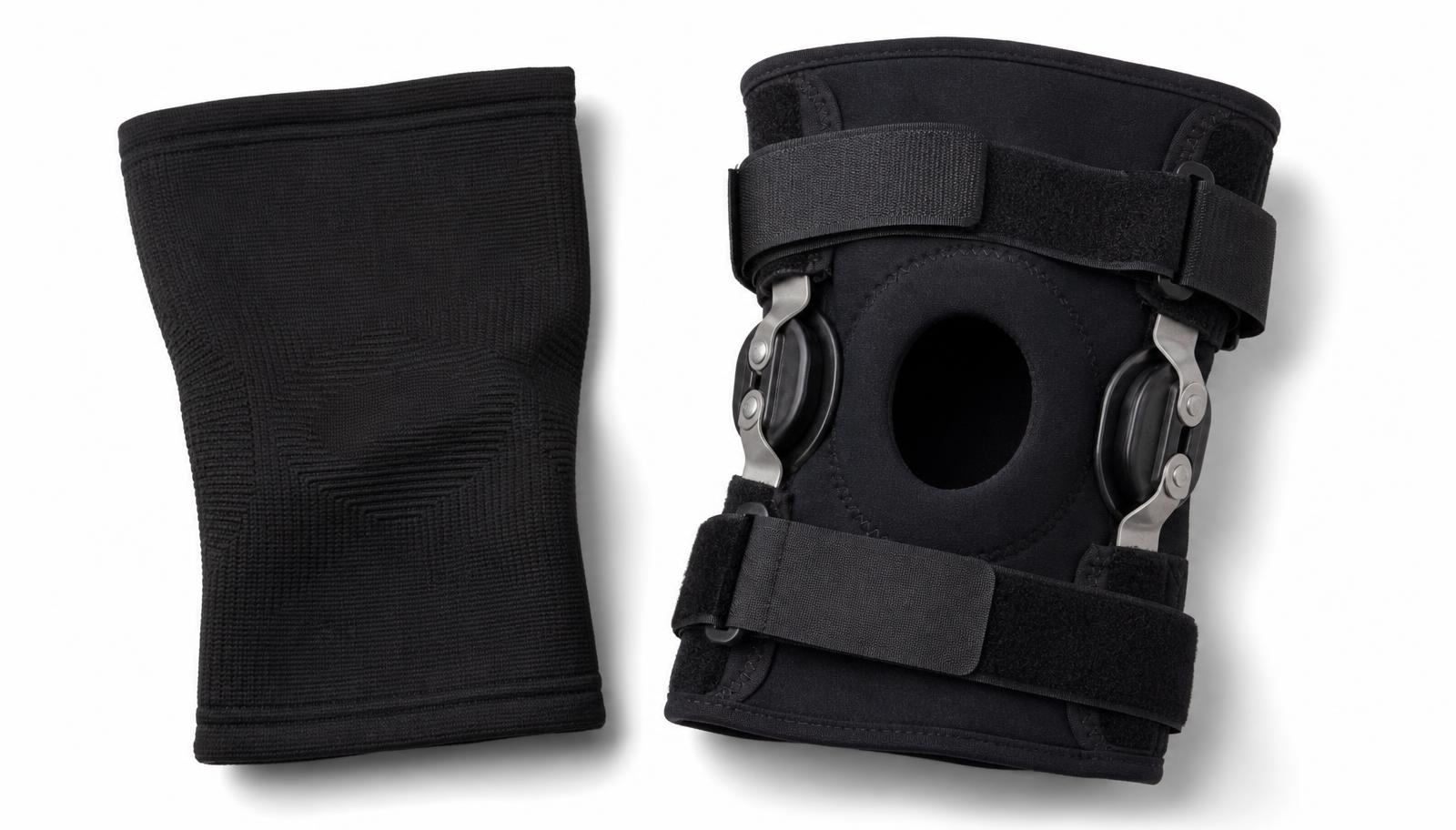
A compression sleeve is usually made from elasticated knitted fabric or neoprene and pulled over the knee. It may have a closed front, an opening around the kneecap, a padded ring around the patella, lightweight flexible stays at the sides, or silicone grips to reduce slipping.
A sleeve provides compression, warmth and mild support, but it does not provide the same mechanical control as a hinged or rigid brace. A basic sleeve does not meaningfully support the knee's ligament structures.
When might a sleeve help?
A sleeve may be considered for mild non-specific knee pain, mild swelling, mild arthritis symptoms, a minor ligament sprain, some meniscal symptoms, and general support during sport or daily activity.
Advantages: inexpensive compared with complex braces, easy to buy and use, low-profile under clothing, washable, and usually suitable for everyday activity — and many people find they improve comfort and confidence.
Limitations: limited control of side-to-side movement, will not reliably stabilise a significantly unstable ligament, may roll, bunch or slip, and compression may be uncomfortable if swelling is marked. Importantly, symptom relief does not mean the underlying problem has healed.
2. Soft hinged knee braces
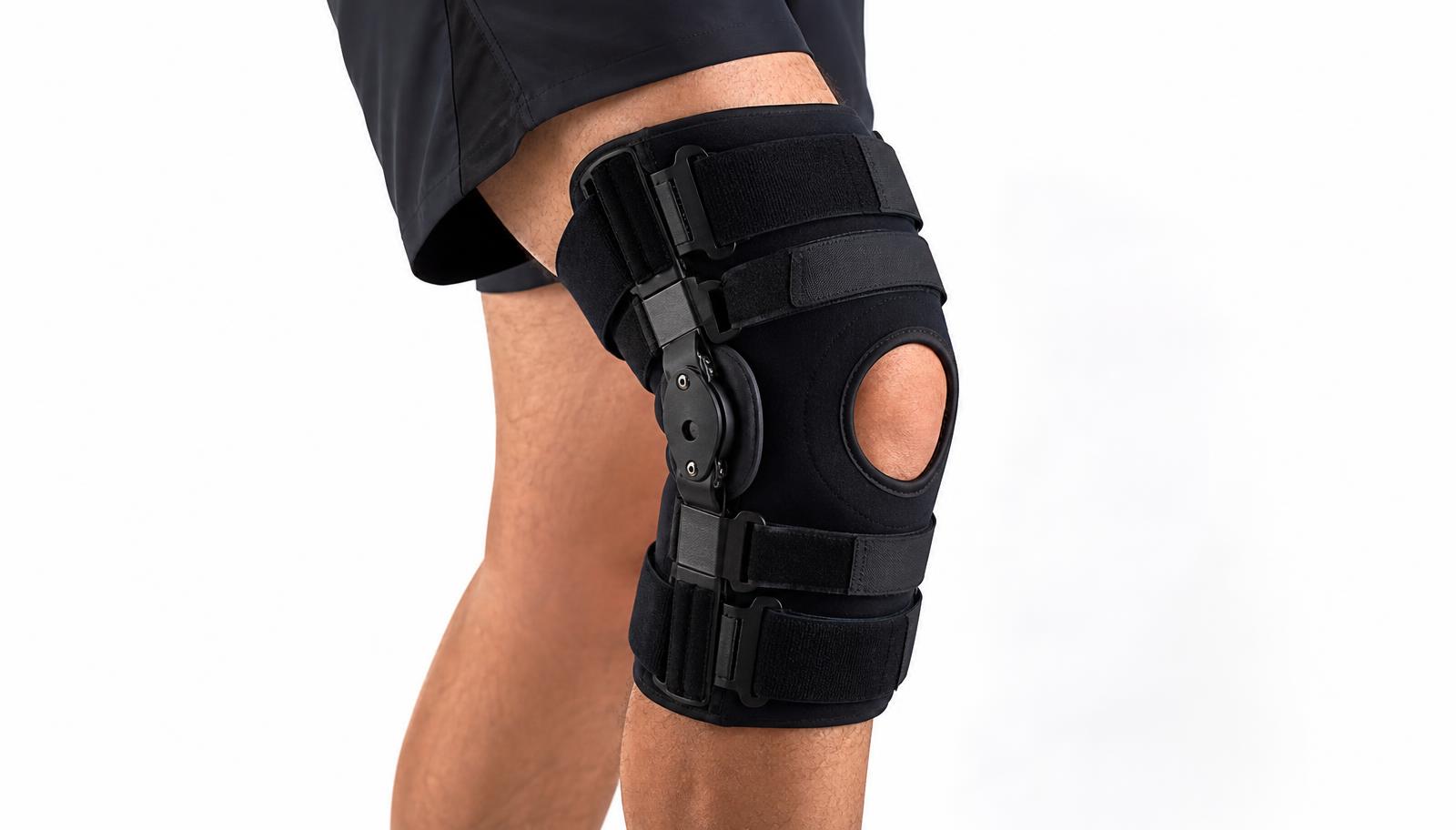
Soft hinged braces combine an elastic or neoprene body with flexible or semi-rigid supports on either side of the knee. They may be pull-on sleeves or wraparound designs, open at the front or closed over the kneecap, often with straps above and below the joint. The hinges or side splints provide more support than a basic sleeve while allowing the knee to bend.
These braces may be considered for mild or moderate ligament sprains, slight knee instability, some meniscal or cartilage-related symptoms, moderate arthritis, mild hyperextension problems, and return to selected daily or sporting activities.
Advantages: more stable than a compression sleeve, usually less bulky than a rigid frame brace, provide compression as well as support, and wraparound versions may be easier to apply.
Limitations: less control than a rigid functional brace, side hinges may press against the leg, the brace may migrate downwards during activity, and it is not a substitute for a prescribed post-operative brace.
3. Patellar stabilising braces
Patellar braces are designed to influence the position or movement of the kneecap. Common designs use a circular pad, a horseshoe-shaped buttress, a J-shaped or C-shaped pad, adjustable straps, a directional pull from one side of the kneecap, and sometimes optional side hinges. The aim is not to lock the knee, but to provide a guiding force around the patella as the knee bends and straightens.
It may be considered for patellofemoral pain, patellar maltracking, recurrent patellar subluxation, kneecap instability, recovery following a patellar dislocation when advised, and some forms of anterior knee pain.
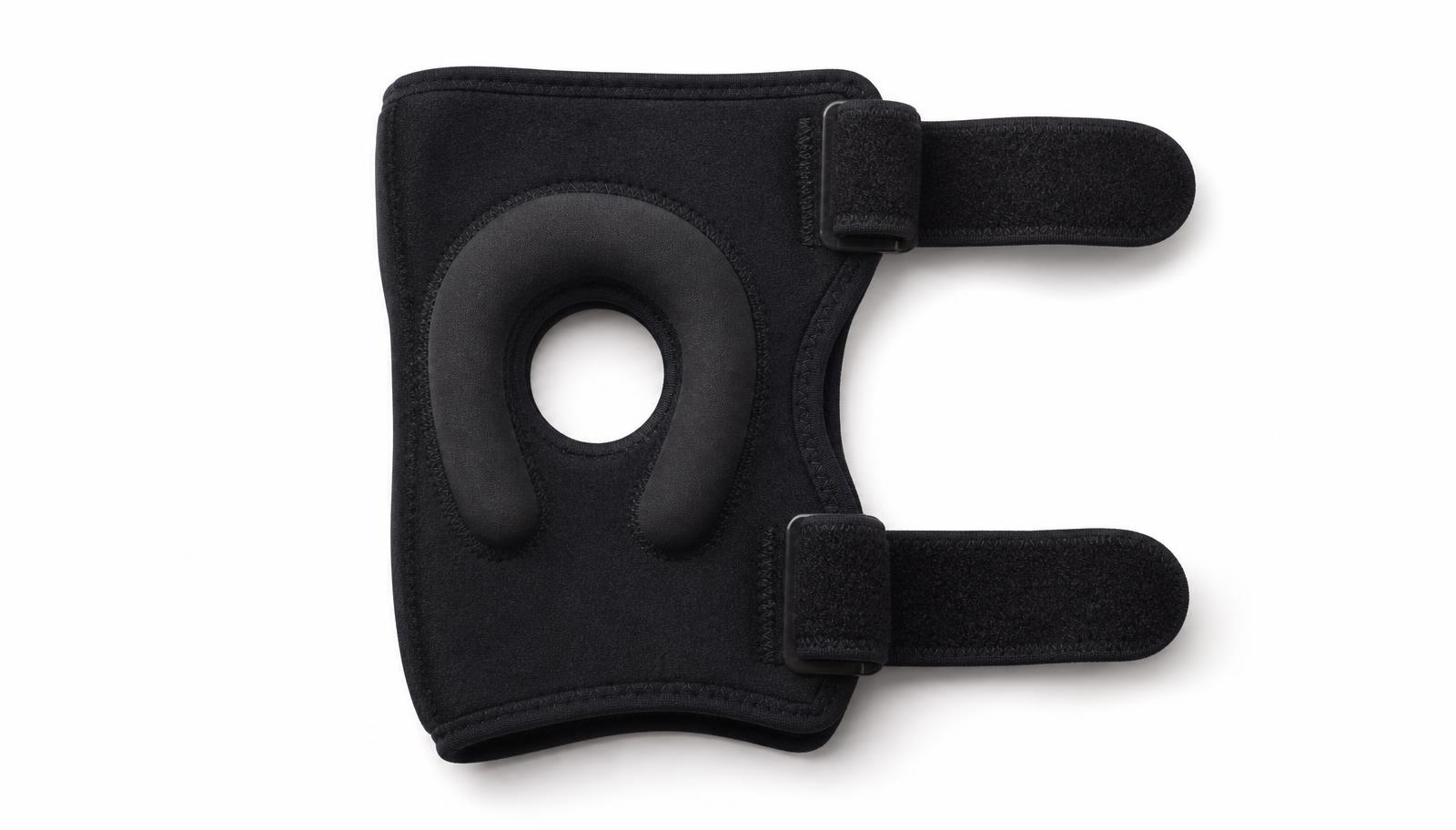
Important limitation: anterior knee pain has many causes. A patellar brace may help some people, but it does not replace work on quadriceps and hip strength, movement control, flexibility, activity modification, and correcting footwear or training errors where relevant.
4. Patellar tendon straps
A patellar tendon strap is a narrow band worn just below the kneecap, and is much smaller than a full brace. It is commonly used for patellar tendinopathy, “jumper's knee” and pain localised to the patellar tendon. The intended effect is to alter the force transmitted through the tendon during activity.
Some people find a strap comfortable during running or jumping, but it should not be used to push through worsening tendon pain indefinitely. Tendon rehabilitation usually depends on carefully progressed loading rather than support alone.
5. Rigid functional ligament braces
Functional braces usually have a rigid frame, supports on both sides of the knee, mechanical hinges, strong non-elastic straps and limits to reduce hyperextension. They may be custom-made or standard-sized, and are intended to provide greater stability than a soft hinged support.
A functional brace may be prescribed or recommended for ACL injury, PCL injury, MCL or LCL injury, persistent instability, selected return-to-sport situations, protection after ligament reconstruction, and chronic ligament deficiency.
Can a brace prevent another ACL injury?
A brace can provide external support and may improve confidence, but it cannot guarantee that reinjury will not occur. Return-to-sport decisions should also consider strength, hop and movement testing, balance, neuromuscular control, confidence, sport-specific training and your surgeon's or physiotherapist's rehabilitation criteria.
Advantages: greater resistance to unwanted movement, may help protect a deficient or healing ligament, adjustable hinge settings in some models, and custom versions may improve fit.
Limitations: heavier and more expensive, can restrict normal movement, may slip during sport, can create pressure areas, and the evidence for routine injury prevention is not absolute.
6. Rehabilitative and range-of-motion braces
These are long, usually hinged braces that extend above and below the knee. The hinges can be adjusted to prevent full bending, prevent full straightening, allow movement only within a prescribed range, or lock the knee temporarily. They may be called rehabilitative braces, post-operative braces, hinged range-of-motion braces or simply ROM braces.
They may be prescribed after ligament reconstruction, meniscal repair, patellar stabilisation surgery, fracture treatment, tendon repair, major ligament injury and other operations requiring controlled movement.
Important safety point: do not alter the hinge settings yourself unless your clinical team has told you to do so. Those restrictions may be protecting a surgical repair or healing tissue.
7. Knee immobilisers
A knee immobiliser is a long, stiff support designed to keep the knee nearly or completely straight. It usually contains rigid posterior stays, side supports, padded fabric and several straps around the leg.
An immobiliser may be used temporarily after acute injury, suspected fracture, patellar dislocation, tendon injury, surgery or emergency assessment.
Use is usually short and supervised, because prolonged immobilisation can lead to stiffness, muscle wasting, reduced confidence, slower rehabilitation and increased difficulty walking. The duration should follow the plan given by your treating team.
8. Unloader or offloader braces for knee arthritis
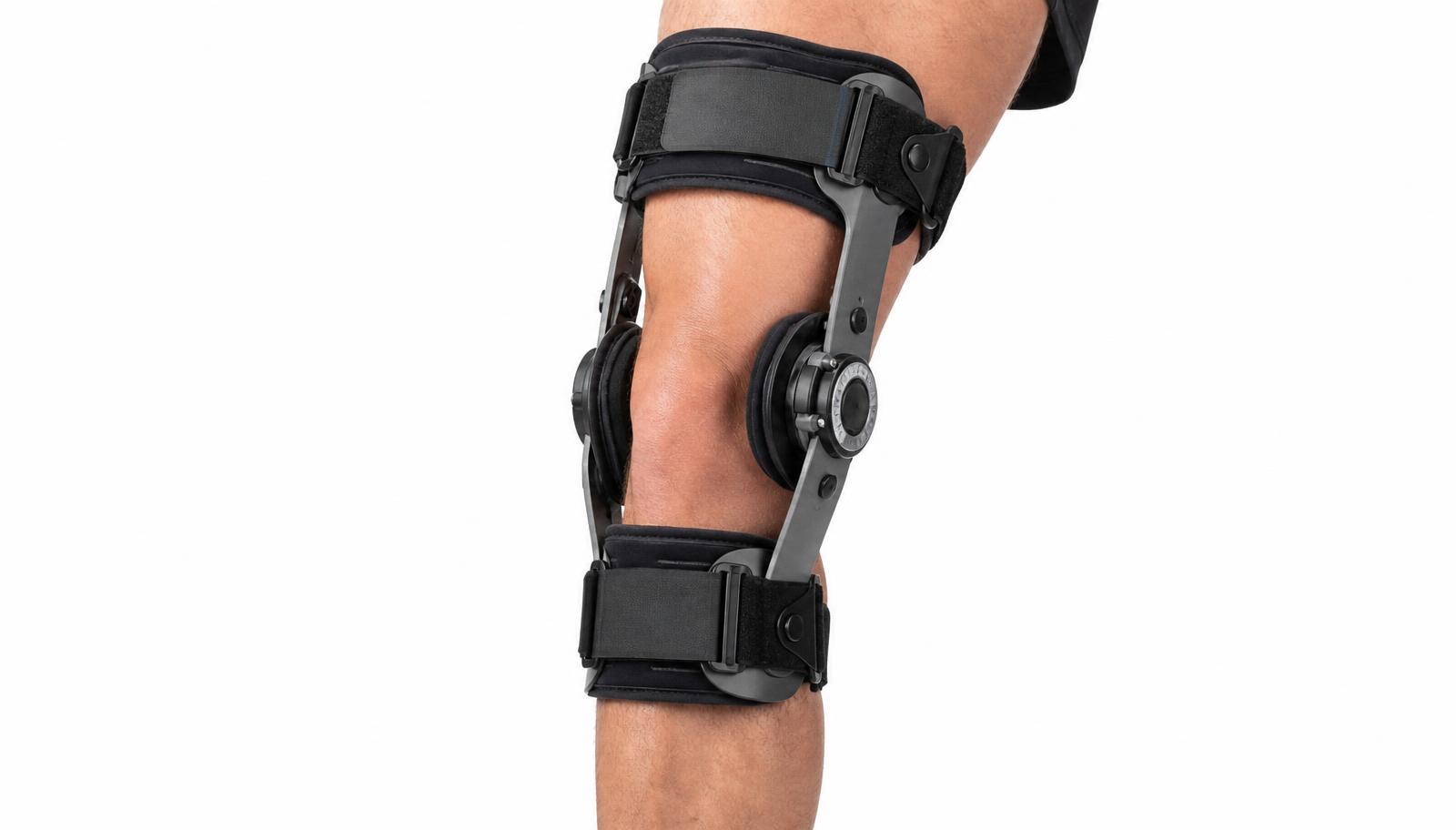
An unloader brace is designed mainly for unicompartmental knee osteoarthritis — arthritis concentrated in either the inner or outer side of the joint. It uses a frame, hinge and strap system to apply corrective forces around the knee, aiming to reduce load through the painful compartment and transfer some force towards the less affected side, particularly during weight-bearing and near full extension.
Who may benefit?
An unloader brace may be considered when arthritis is mainly in one compartment, pain is worse during weight-bearing, the leg has a bow-legged or knock-kneed alignment, symptoms limit walking or exercise, surgery is not yet appropriate or is being delayed, or you want a non-surgical option alongside rehabilitation.
Medial compartment arthritis affects the inner side of the knee and is more common; lateral compartment arthritis affects the outer side. The brace must be configured to unload the correct side, which is one reason professional assessment and fitting are particularly valuable.
Advantages: may reduce pain during standing and walking, may improve function, can help some people remain active, offers adjustable unloading in some designs, and is available in soft, single-upright and rigid double-upright versions.
Limitations: bulky under clothing, may slip, can cause skin pressure or rubbing, not everyone tolerates the corrective force, usually less suitable for widespread tricompartmental arthritis, does not reverse osteoarthritis, and may be expensive.
Does an offloader brace delay knee replacement?
A brace may help control symptoms and maintain activity, which can allow some people to postpone surgery. However, bracing has not been shown to reliably prevent or permanently avoid knee replacement. It is best viewed as a symptom-management option rather than a cure.
9. Prophylactic sports braces
Prophylactic braces are worn with the aim of reducing the risk or severity of injury, particularly in contact sports. They often have rigid bars, hinges, strong straps and protection around the collateral ligaments.
The evidence is uncertain and sport-specific. A prophylactic brace cannot prevent every twist, collision or ligament injury, and it should not create false reassurance or replace appropriate technique, conditioning, neuromuscular training, recovery, suitable footwear and compliance with sporting regulations.
Knee brace comparison
| Brace type | Level of support | Common purpose | Main limitation |
|---|---|---|---|
| Compression sleeve | Mild | Pain, warmth, mild swelling, confidence | Minimal ligament control |
| Soft hinged brace | Mild to moderate | Minor instability, ligament sprain, arthritis | Less control than a rigid frame |
| Patellar stabiliser | Targeted | Patellar maltracking or instability | Not suitable for every cause of anterior knee pain |
| Patellar tendon strap | Targeted | Patellar tendon symptoms | Does not replace tendon rehabilitation |
| Functional ligament brace | Moderate to high | ACL, PCL, MCL or LCL support | Bulky and not guaranteed to prevent reinjury |
| ROM or rehabilitative brace | Adjustable | Controlled recovery after injury or surgery | Must follow prescribed settings |
| Immobiliser | Maximum restriction | Short-term protection after acute injury or surgery | Stiffness and muscle loss if overused |
| Offloader brace | Targeted high support | Unicompartmental knee arthritis | Bulky; requires correct side and fit |
| Prophylactic brace | Variable | Attempted injury reduction in sport | Preventive benefit is uncertain |
How to choose the right knee brace
Start with the reason you need it. Ask yourself: what is the diagnosis? Is the knee genuinely unstable, or mainly painful? Where is the pain — front, inner side, outer side or throughout? Is the brace for everyday walking, sport or post-operative recovery? Do you need compression, guidance, offloading or movement restriction?
A sleeve bought for arthritis will not provide the same support as a ligament brace, and a standard hinged support will not provide the same unloading as an arthritis offloader.
Off-the-shelf versus custom-made braces
Off-the-shelf braces come in standard sizes and may be suitable when the leg shape fits standard measurements, support requirements are mild or moderate, the brace is needed for a short period, or cost is an important consideration.
A custom brace may be considered when there is marked limb deformity, standard braces repeatedly slip, the thigh and calf differ substantially in size, high-level sporting use is planned, greater ligament or offloading control is needed, or a clinician or orthotist recommends it.
Custom-made does not automatically mean better for every patient. The correct type and fit matter more than price alone.
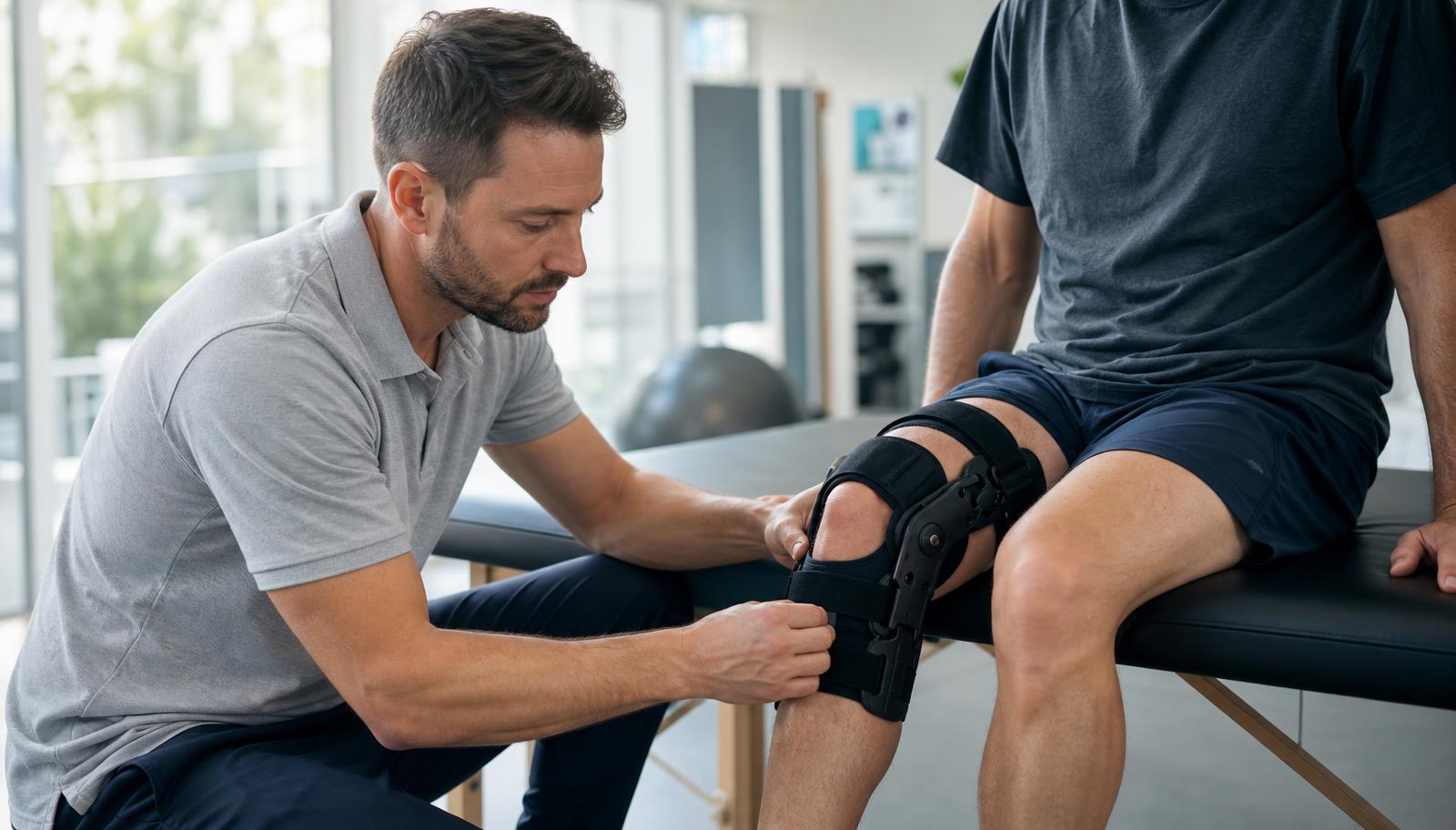
How should a knee brace fit?
A knee brace should feel secure but not painfully tight. A good fit means the brace does not gap, it does not pinch, it does not slide down repeatedly, the kneecap is centred in any opening, the hinges sit in the intended position, the straps are firm but not cutting into the skin, and you can move as instructed without sharp pain.
Signs a brace may be too tight
Remove or loosen the brace and seek advice if you develop numbness, tingling, increasing pain, coldness in the foot, colour change, marked swelling below the brace, deep strap marks that do not settle, or any skin breakdown.
How long should you wear a knee brace?
There is no universal schedule. The duration depends on the diagnosis, symptom severity, the type of brace, whether surgery has been performed, your activity demands, the rehabilitation plan and your skin tolerance.
A sleeve may be worn only during activity. An offloader brace may be used for longer walks. A post-operative ROM brace may need to remain on for a prescribed period, including during sleep in some protocols. Follow the plan from your surgeon, physiotherapist or orthotist when a brace has been prescribed.
Benefits and limitations
| Potential advantages | Potential disadvantages |
|---|---|
| May reduce pain | May not help the underlying condition |
| May improve stability and confidence | Can slip, pinch or rub |
| Can protect healing tissue | Incorrect use may restrict recovery |
| Can allow safer activity in selected cases | Some designs are bulky or hot |
| Offloader braces may reduce arthritic load | Custom or rigid braces can be expensive |
| ROM braces can protect surgical repairs | Settings must be used correctly |
Possible problems and complications
Complications are uncommon but can include skin irritation, allergic reaction to materials, sweating and rash, pressure sores, bruising, nerve compression, numbness or tingling, swelling below the brace, worsening pain, reduced movement, and muscle weakness if the knee is unnecessarily immobilised.
People with reduced sensation, neuropathy, fragile skin, poor circulation or diabetes should be particularly careful and may need professional fitting and regular skin checks.
Caring for your knee brace
Follow the manufacturer's instructions. General measures include inspecting straps and hinges regularly, replacing cracked or damaged parts, hand-washing removable fabric components where advised, using a mild detergent in cold water, allowing the brace to air-dry, avoiding direct heat, rinsing it after exposure to salt water, and keeping the skin beneath it clean and dry.
Can a knee brace replace physiotherapy?
Usually not. A brace may make movement more comfortable or protect healing tissue, but rehabilitation often remains essential for quadriceps strength, hamstring strength, hip strength, balance, movement control, flexibility, confidence and a gradual return to activity.
A brace is generally best viewed as one part of treatment, not the complete treatment.
When should you seek medical advice?
Arrange an assessment if you have a new injury with significant swelling, repeated giving way, inability to fully straighten the knee, locking, severe or worsening pain, redness and warmth, fever or feeling unwell, inability to bear weight, a visible deformity, persistent symptoms despite self-care, or uncertainty about which brace you need.
Seek prompt advice after fitting a brace if you develop numbness or tingling, marked colour change, a cold foot, increasing swelling, skin breakdown, worsening pain or an inability to move the leg normally.
Top tips
- Know what you are treating: pain, instability, arthritis and post-operative protection require different braces.
- Choose support according to need — a sleeve provides mild compression; hinges and rigid frames provide progressively greater control.
- Prioritise fit over branding. A brace that slips, pinches or sits incorrectly is unlikely to work well.
- Never change post-operative hinge settings yourself; range restrictions may be protecting healing tissue.
- Use the brace alongside rehabilitation — strength, balance and gradual progression remain central to recovery.
Related articles
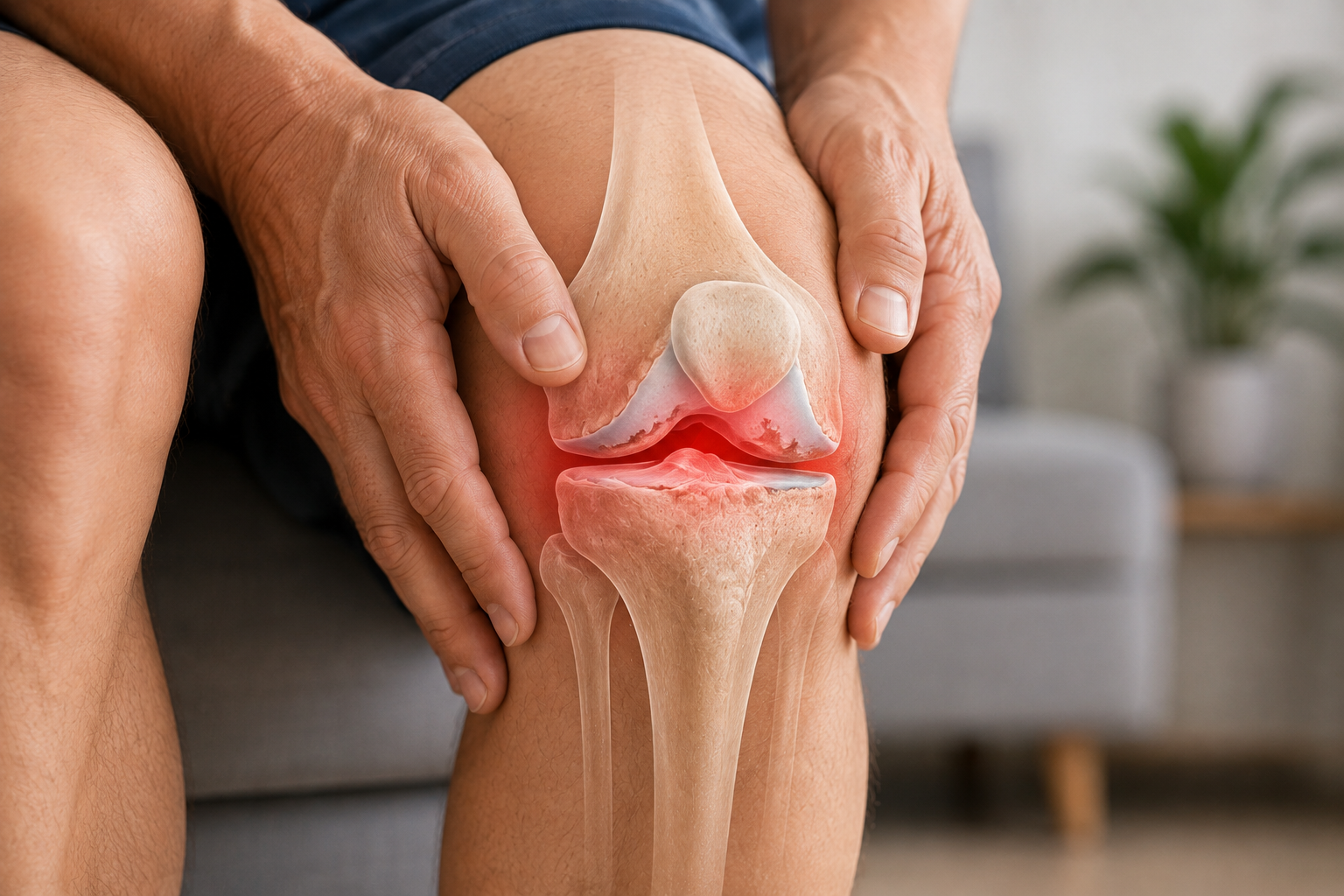
Knee Arthritis (Osteoarthritis): Symptoms, Causes, Diagnosis and Treatment
An evidence-based guide to knee osteoarthritis: symptoms, causes, diagnosis, exercise, weight management, injections and when knee replacement is recommended.
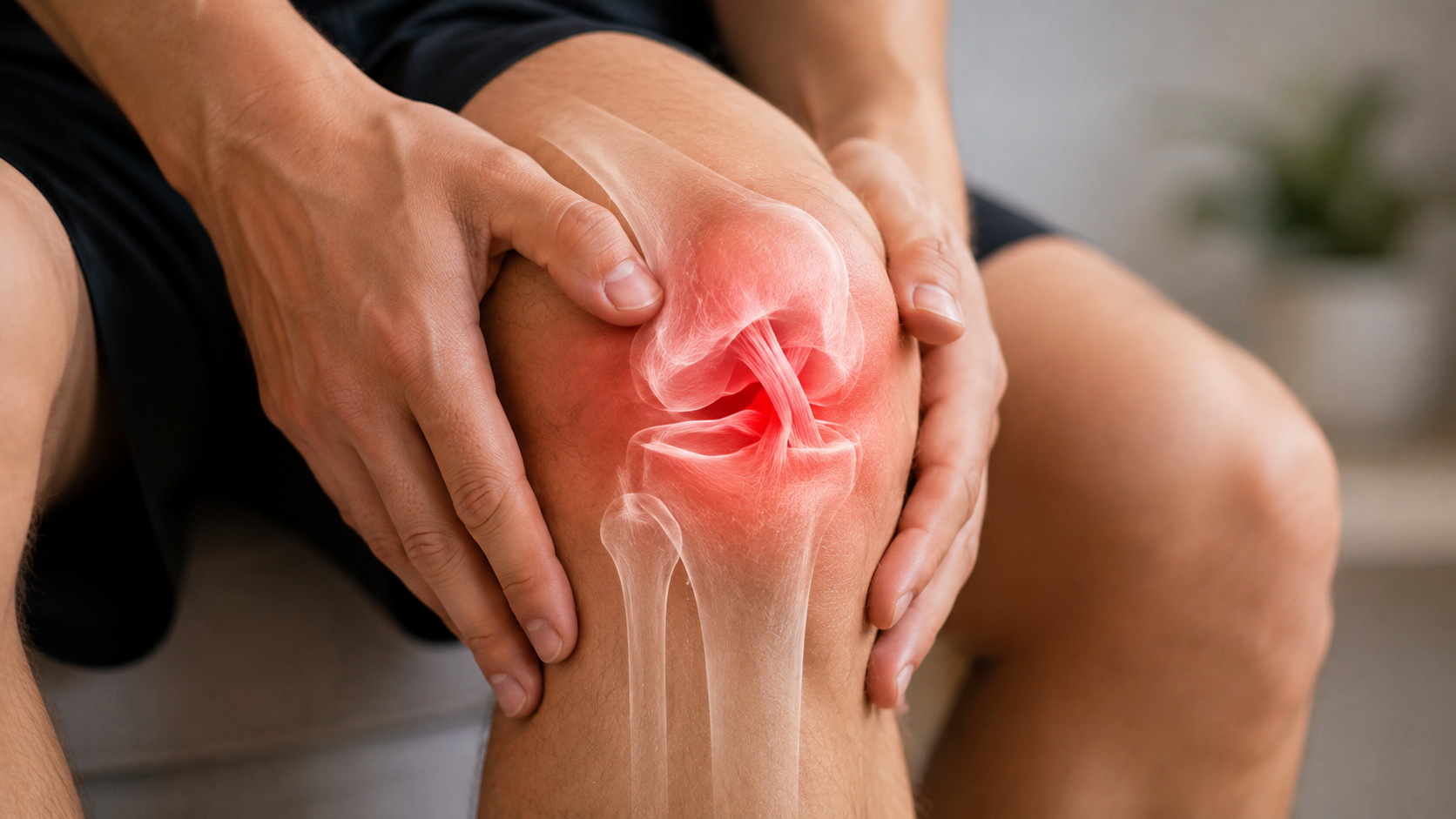
ACL Injury: Symptoms, Treatment, Surgery and Recovery
An evidence-based guide to ACL injuries: symptoms, diagnosis, rehabilitation, when surgery is needed, graft choices and return to sport.
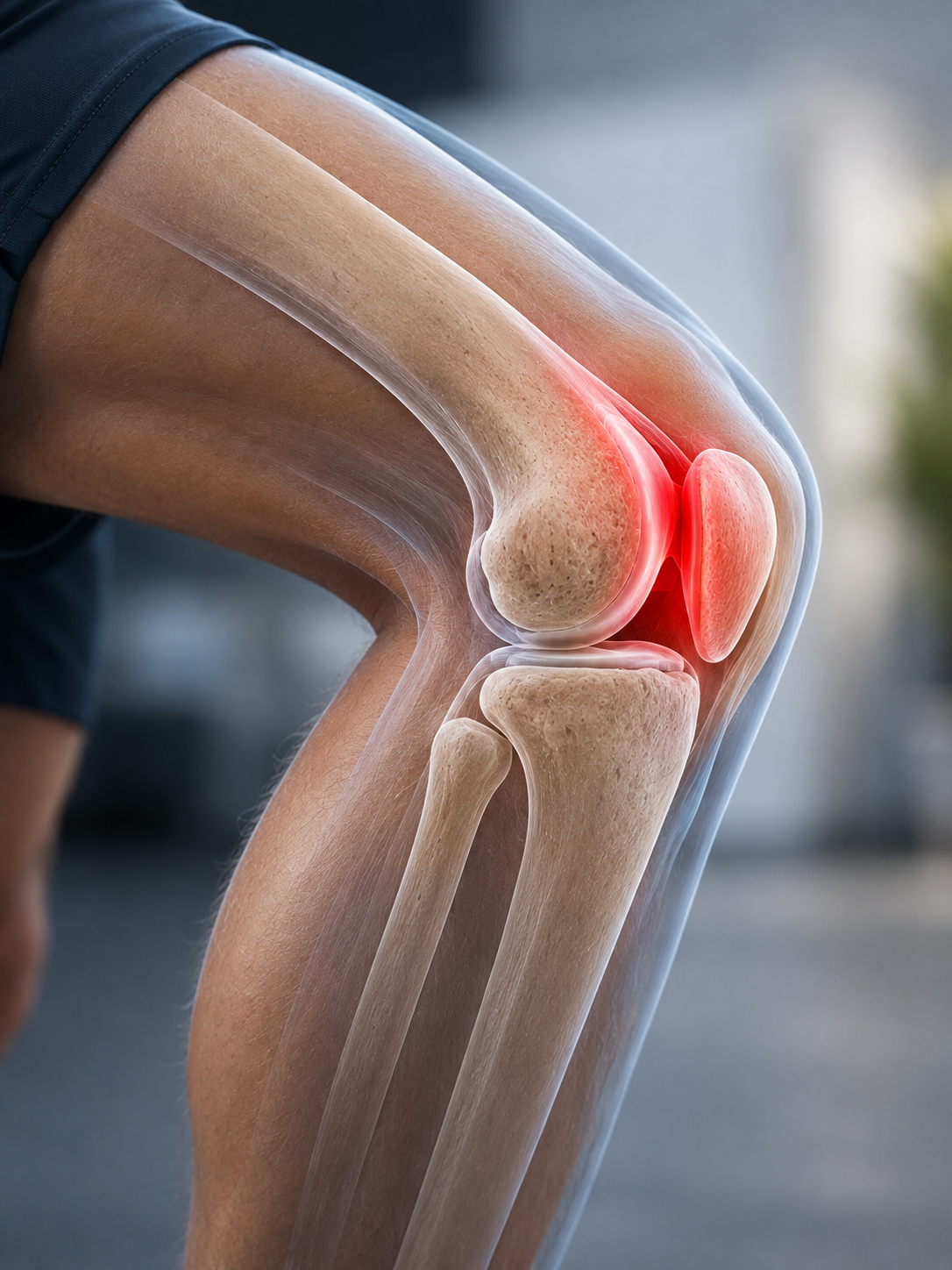
Patellofemoral (Kneecap) Problems: Pain Syndrome and Patellar Instability Explained
Learn the difference between patellofemoral pain syndrome and patellar instability, including symptoms, diagnosis, physiotherapy, surgery and recovery.