Knee Arthritis (Osteoarthritis): Symptoms, Causes, Diagnosis and Treatment
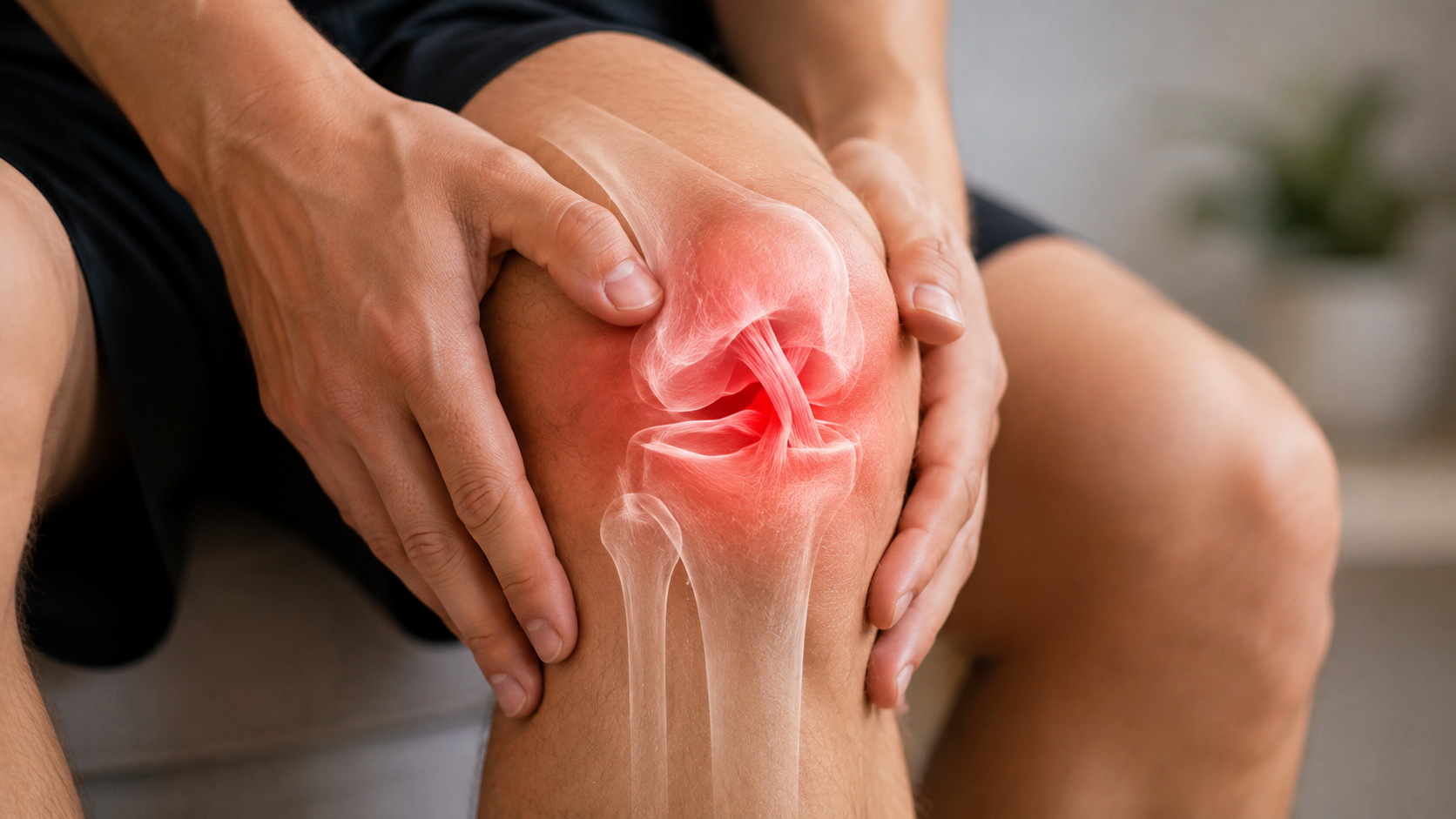
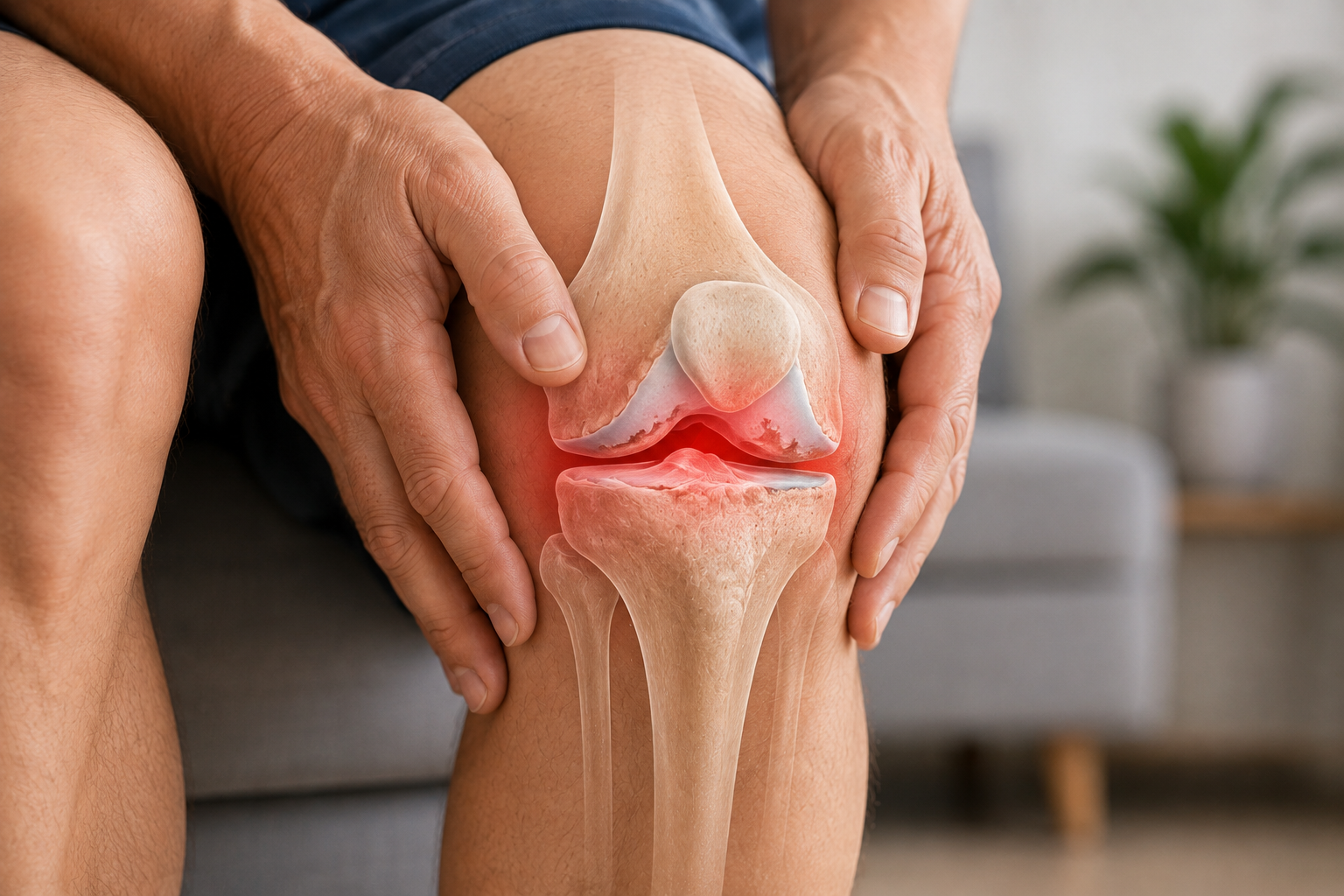
Knee arthritis is one of the most common causes of knee pain, affecting millions of people worldwide. Although many people think arthritis is simply an unavoidable part of getting older, that isn't entirely true. While age is an important risk factor, arthritis develops because the smooth cartilage that normally covers the ends of the bones gradually wears away, causing pain, stiffness and inflammation within the joint.
The good news is that most people with knee arthritis do not need surgery. Many can successfully manage their symptoms for years through a combination of exercise, weight management, physiotherapy and simple pain-relieving treatments. Even when arthritis becomes severe, knee replacement surgery is usually highly successful at reducing pain and helping people return to everyday activities.
Whether you have just been diagnosed or have been living with knee arthritis for years, understanding the condition is the first step towards managing it effectively.
Key points
- Knee arthritis develops when the protective cartilage inside the knee gradually wears away, causing pain, stiffness and swelling.
- Age, previous knee injuries, excess body weight, genetics and joint alignment all increase the risk.
- A weight-bearing X-ray is usually the best imaging test — an MRI is rarely required for straightforward osteoarthritis.
- Exercise, weight management and education are the foundation of treatment for everyone, regardless of X-ray severity.
- Knee replacement is considered when arthritis significantly affects quality of life despite appropriate non-surgical treatment — not simply because an X-ray looks severe.
What is knee arthritis?
Knee arthritis, also called knee osteoarthritis, is a condition where the smooth protective cartilage inside the knee gradually becomes thinner and more damaged over time.
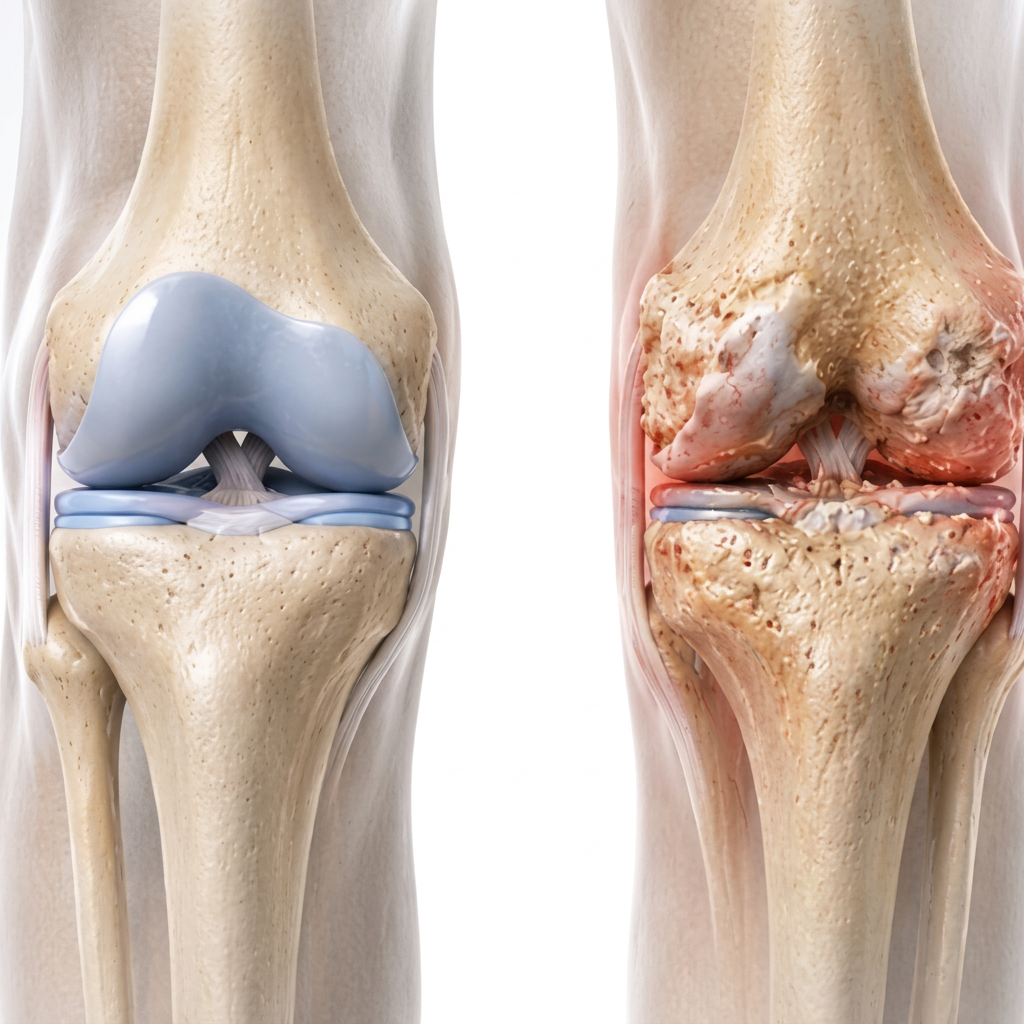
Healthy cartilage acts like a low-friction cushion between the thigh bone (femur) and shin bone (tibia), allowing the knee to move smoothly without pain. When arthritis develops, this protective surface starts to wear away. As the cartilage becomes thinner, the bones no longer glide smoothly against each other, the joint becomes inflamed, extra bone (bone spurs or osteophytes) can form around the edges, the joint lining may produce excess fluid causing swelling, and movement becomes increasingly stiff and painful.
Although arthritis is often described as “wear and tear”, the reality is much more complex. Osteoarthritis is an active biological process in which the body attempts to repair damaged cartilage, but these repair mechanisms become overwhelmed over time.
What happens inside an arthritic knee?
Cartilage gradually wears away
Cartilage has no blood supply and only a limited ability to repair itself. Over many years the smooth surface becomes roughened and thinner. As more cartilage is lost, the underlying bone is exposed, making movement increasingly painful.
The joint space narrows
On an X-ray, healthy knees show a clear gap between the bones because cartilage creates space. As cartilage disappears, this gap becomes progressively narrower. Joint space narrowing is one of the main features doctors look for when diagnosing osteoarthritis.
Bone spurs develop
The body tries to stabilise the damaged joint by producing extra bone around the edges. These small bony growths are called osteophytes. Although they are a normal response to arthritis, they can contribute to stiffness and reduce movement.
The lining of the joint becomes inflamed
The membrane lining the knee (the synovium) can become irritated. This inflammation contributes to pain, swelling, warmth and episodes where symptoms suddenly flare up. Unlike rheumatoid arthritis, however, inflammation is not the main cause of osteoarthritis.
Muscles become weaker
Pain often causes people to become less active. Unfortunately this creates another problem. The quadriceps muscles at the front of the thigh become weaker, reducing support for the knee and allowing symptoms to worsen. This is one reason why strengthening exercises are considered one of the most effective treatments for knee arthritis.
What causes knee arthritis?
Most knee arthritis develops gradually over many years rather than after one single injury. Often several factors combine together.
Age
The risk of developing osteoarthritis increases steadily with age. Although younger people can develop arthritis following injury, it becomes much more common after the age of 50.
Previous knee injuries
A previous injury can significantly increase the chance of developing arthritis later in life. Examples include ACL rupture, meniscus removal, fractures involving the joint and major ligament injuries. Even after successful treatment, damaged cartilage may slowly deteriorate over many years.
Excess body weight
Every extra kilogram of body weight places several kilograms of force across the knee during walking. This repeated loading increases stress on cartilage and accelerates wear. Weight loss has consistently been shown to reduce pain and improve function in people who are overweight with knee osteoarthritis.
Genetics
Some people inherit cartilage that is more susceptible to degeneration. If close family members developed arthritis at a relatively young age, your own risk may be higher.
Joint alignment
People who are naturally bow-legged (varus) or knock-kneed (valgus) place uneven forces across the knee. Over many years this can cause one side of the joint to wear faster than the other.
Occupation and repetitive loading
Jobs involving frequent kneeling, squatting, climbing or heavy manual work may increase the risk of knee arthritis over many years. However, staying active is generally beneficial, and regular exercise is recommended for people with osteoarthritis.
Symptoms of knee arthritis
Symptoms usually develop gradually over months or years.
Pain is the most common symptom. Initially it often occurs after long walks, when climbing stairs, when standing from a chair, or after gardening or sport. As arthritis progresses, pain may occur during simple daily activities or even at rest, and some people eventually experience pain at night that disturbs sleep.
Stiffness is common when first getting out of bed or after sitting for prolonged periods. Unlike inflammatory arthritis, this stiffness usually improves after moving around for a few minutes.
Swelling may occur as inflammation develops inside the joint, often fluctuating and becoming worse after increased activity. Clicking, crunching and grinding sensations (crepitus) are very common as cartilage becomes rough, and do not necessarily mean further damage is occurring.
Reduced mobility gradually makes it harder to squat, kneel, climb stairs, walk longer distances and get in and out of cars. Some people also describe the knee “giving way” — this is usually caused by pain and muscle weakness rather than the bones physically slipping out of place, and often improves with strengthening.
How is knee arthritis diagnosed?
In many cases, knee osteoarthritis can be diagnosed from your symptoms and a physical examination alone. Your healthcare professional will ask where the pain is, when it occurs, about stiffness, swelling, previous injuries and how much your symptoms affect everyday life.
During the examination they will assess your walking pattern, range of movement, tenderness, swelling, knee alignment, ligament stability and muscle strength.
Do you need an X-ray?
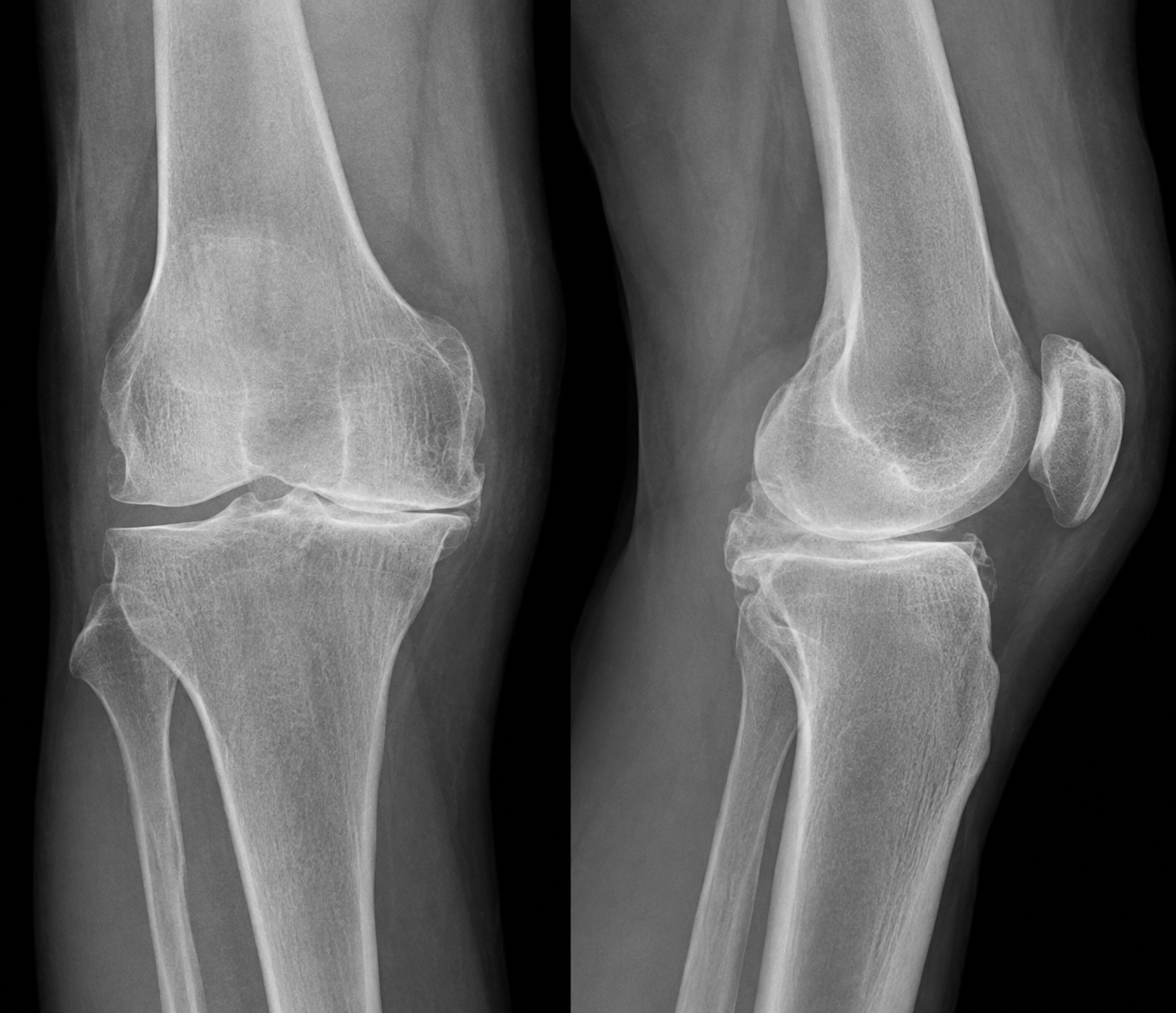
Usually, yes. A simple weight-bearing X-ray is often the best imaging test for confirming osteoarthritis and assessing how advanced it is. Doctors look for narrowing of the joint space, bone spurs (osteophytes), thickening of the bone beneath the cartilage and deformity of the joint.
Interestingly, the severity of arthritis seen on an X-ray does not always match the amount of pain someone experiences. Some people have severe arthritis with relatively mild symptoms, while others experience significant pain despite only early changes.
Do you need an MRI scan?
Usually not. MRI scans are excellent at showing cartilage, ligaments and menisci, but they are rarely required for straightforward osteoarthritis. An MRI may be useful if your doctor suspects another problem alongside arthritis, such as a significant ligament injury, a stress fracture, osteonecrosis or an unusual cause of knee pain.
For most people with typical knee arthritis, a careful clinical assessment and a weight-bearing X-ray provide all the information needed to guide treatment.
Treatment for knee arthritis
One of the biggest misconceptions about knee arthritis is that once cartilage has worn away, nothing can be done apart from a knee replacement. Fortunately, that is simply not true.
Most people can successfully manage their symptoms for many years using a combination of exercise, weight management, education and simple treatments. These remain the foundation of treatment for everyone with knee osteoarthritis, regardless of how severe the arthritis appears on an X-ray.
The aim of treatment is to reduce pain, improve movement, strengthen the muscles around the knee, maintain independence, keep you active, improve quality of life and delay or avoid surgery where possible.
Rather than asking “What is the best treatment for knee arthritis?”, it is often more helpful to ask: “What is the best treatment for my knee, at this stage of my arthritis?”
The treatment pyramid
Most people move through treatment in stages, and the majority never need to progress to surgery.
Stage 1: education, exercise, weight management and activity modification.
Stage 2: pain relief, physiotherapy, walking aids if needed and occasional injections.
Stage 3: if symptoms continue to significantly affect quality of life despite appropriate non-surgical treatment, knee replacement surgery may become the best option.
Exercise — the most effective treatment
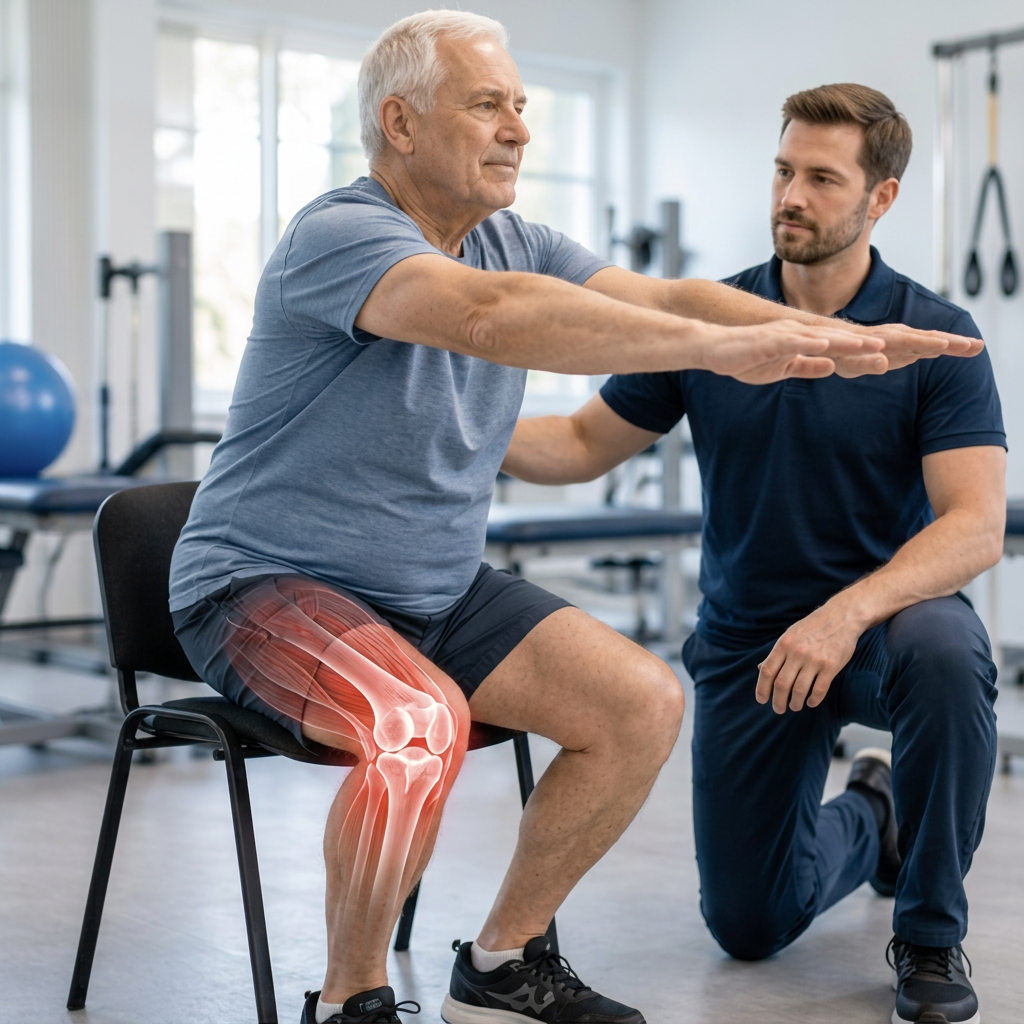
Many people expect the first treatment to be tablets or injections. In reality, exercise is one of the most effective treatments available for knee arthritis and is recommended for everyone unless there is a specific reason why it is unsuitable.
This often surprises people: if the joint is already worn, wouldn't exercise wear it out even faster? Current research suggests exactly the opposite. Appropriate exercise strengthens the muscles around the knee, reduces the forces passing through damaged cartilage, improves balance and confidence, reduces stiffness, improves walking and reduces pain.
Importantly, exercise does not need to be painful to be effective. Some mild discomfort during rehabilitation is common, particularly when starting a new programme. However, severe pain that continues long after exercise usually means the programme needs adjusting rather than stopping altogether. NICE advises that people should be reassured that exercise may initially cause some discomfort, but that continuing with a tailored programme leads to long-term improvements in pain and function.
Which exercises are best?
There is no single perfect exercise. The best programme is the one you can continue long term.
Quadriceps strengthening: the quadriceps act as natural shock absorbers. Examples include sit-to-stands, mini squats, step-ups, leg press and straight-leg raises.
Hip strengthening: strong hip muscles improve knee alignment during walking and climbing stairs. Examples include bridges, side leg raises, resistance band exercises and clamshells.
Aerobic exercise: walking, cycling, swimming, cross trainer and rowing all improve general fitness and reduce arthritis symptoms.
Flexibility: gentle stretching of the hamstrings, calves, quadriceps and hip flexors helps maintain movement and reduce stiffness.
Should I keep walking?
Yes. Walking remains one of the best forms of exercise for many people. However, there is a difference between healthy exercise and overloading an already painful joint.
If walking for two hours causes pain for the next three days, it may be better to walk shorter distances, walk more frequently, use walking poles, choose softer ground and gradually build endurance. The goal is consistent activity, not exhausting the joint.

Weight loss
If you are overweight, weight loss is one of the most effective treatments available. Every step places several times your body weight through the knee, so reducing body weight decreases these forces thousands of times each day. Even modest weight loss improves pain, walking, function and quality of life.
NICE advises that any weight loss is beneficial, but achieving around 10% body weight loss provides greater improvements than losing around 5%. Someone weighing 100 kg who loses 10 kg often notices meaningful improvements in symptoms.
Weight loss should not be viewed as “curing” arthritis. Instead, it reduces the load placed on the damaged joint, allowing many people to remain active for longer.
Physiotherapy, walking aids and braces
A physiotherapist can help you improve movement, strengthen weak muscles, improve walking and balance, reduce fear of movement, modify activities and develop a long-term exercise programme. Treatment should always be individualised — there is no one-size-fits-all programme. Supervised physiotherapy may be particularly helpful when starting rehabilitation or after a flare-up.
Many people worry that using a walking stick means “giving in”. In reality, a walking aid can reduce pain, improve confidence and balance, and increase walking distance. When using one stick, it should generally be held in the opposite hand to the painful knee, which reduces the load passing through the affected joint.
Many braces are marketed for arthritis, but the evidence is mixed. Some people feel that an unloader brace or supportive sleeve reduces pain during activity; others notice little difference. Braces are therefore not routinely recommended for everyone, although they may occasionally help selected individuals.
Pain relief
Medication does not reverse arthritis. Its purpose is to reduce pain enough for you to remain active and continue exercising — exercise treats the underlying problem far more effectively than painkillers alone.
Topical anti-inflammatory gels: for knee arthritis, topical NSAIDs are usually recommended before tablets. They have lower absorption into the bloodstream, fewer stomach side effects, are easy to apply and have good evidence for pain relief. NICE recommends offering a topical NSAID for knee osteoarthritis.
Anti-inflammatory tablets: if gels are not sufficient, oral NSAIDs such as ibuprofen or naproxen may be considered. Because they can affect the stomach, kidneys and cardiovascular system, they should be used at the lowest effective dose, for the shortest possible time and alongside stomach protection where appropriate.
Paracetamol may still help some people during flare-ups, but it is no longer recommended as routine long-term treatment because its overall benefit is limited.
Opioids are generally avoided because of significant side effects, the risk of dependence and limited long-term benefit. They are not recommended as routine treatment for knee osteoarthritis.
Injections: what actually works?
Steroid injections
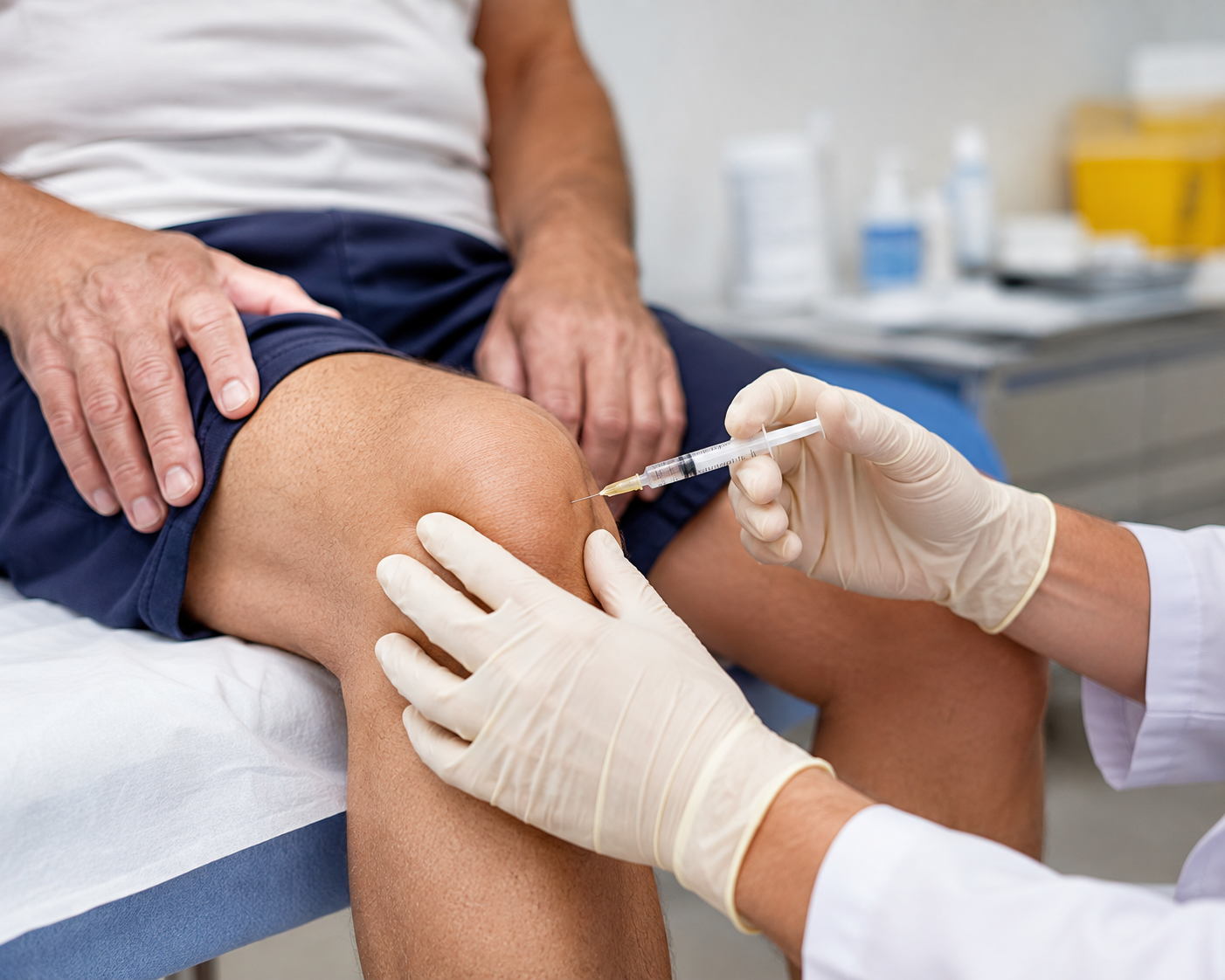
Corticosteroid injections reduce inflammation inside the knee and can provide short-term pain relief, reduced swelling and easier participation in physiotherapy. Relief often lasts several weeks and occasionally several months.
They are particularly useful during painful flare-ups, when pain prevents rehabilitation, while waiting for surgery, or if surgery is not appropriate. Steroid injections do not regenerate cartilage or stop arthritis progressing. NICE recommends considering an intra-articular corticosteroid injection when other treatments are ineffective or unsuitable, or to support therapeutic exercise.
Hyaluronic acid (viscosupplementation)
Hyaluronic acid injections aim to improve joint lubrication. Although some patients report improvement, research has shown inconsistent results. For this reason, routine use is not recommended by NICE.
PRP (platelet-rich plasma)
PRP uses concentrated platelets taken from your own blood. The theory is that growth factors released by platelets may reduce inflammation and improve symptoms. Some studies suggest modest pain relief in selected patients with early arthritis. However, the evidence is still evolving, treatment protocols vary, and PRP is not routinely recommended in UK national guidance.
Stem cell treatments
Stem cell therapies are widely advertised online. At present, there is no high-quality evidence that stem cells regenerate worn knee cartilage or reverse established osteoarthritis. These treatments are expensive, often not regulated to the same standards as routine NHS care, and should be approached cautiously.
Does arthroscopy help knee arthritis?
Many people ask whether keyhole surgery can simply “wash out” the knee. Large, high-quality studies have shown that arthroscopy provides little or no benefit for most people with established knee osteoarthritis. Removing small fragments of cartilage or washing out the joint does not replace the missing cartilage.
For this reason, arthroscopy is not routinely recommended for arthritis alone, although it may occasionally be appropriate if there is a true mechanical problem, such as a locked knee caused by a displaced meniscal tear.
When should knee replacement be considered?
One of the biggest fears people have is: “How will I know when it's time?” The decision is not based on the X-ray alone. Knee replacement is usually considered when pain significantly affects quality of life, everyday activities become increasingly difficult, non-surgical treatment has been tried appropriately, and symptoms remain unacceptable to the patient.
This is a shared decision between you and your surgeon. NICE recommends referral for joint replacement when symptoms substantially affect quality of life and non-surgical management is ineffective or unsuitable. Importantly, referral should not be denied simply because of age, sex, smoking status or obesity.
Your surgeon will usually consider how much pain you experience, how arthritis affects your daily life, whether you can still do the activities that matter to you, how well non-surgical treatments have worked, your general health and what you hope to achieve from surgery. In other words, we treat the person — not the X-ray. Some people have severe arthritis on an X-ray but remain relatively comfortable; others have moderate arthritis but struggle to sleep, walk or enjoy life. The right time for surgery is when the benefits clearly outweigh the risks.
Partial or total knee replacement?
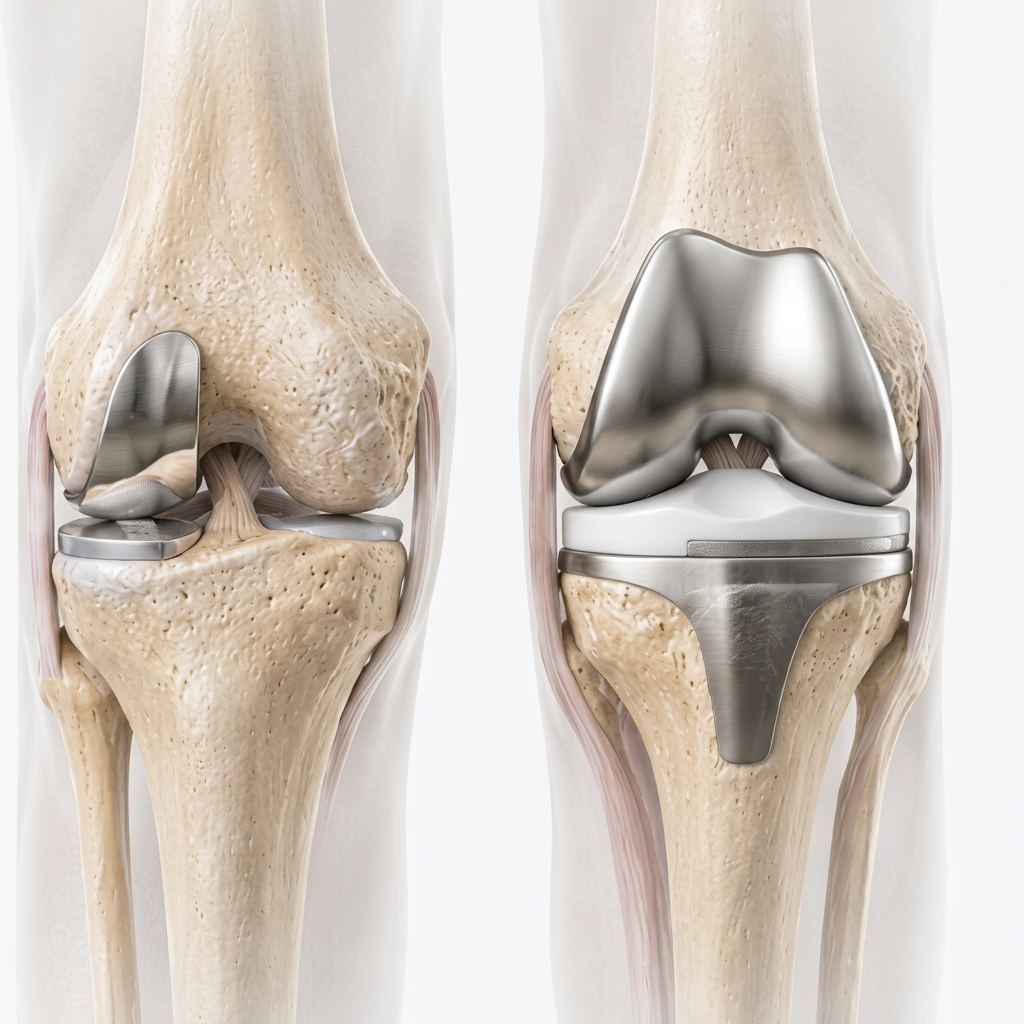
Not everyone with knee arthritis needs a total knee replacement. The knee has three compartments: the medial compartment (inside), the lateral compartment (outside) and the patellofemoral joint (behind the kneecap).
If arthritis affects only one compartment and the ligaments remain healthy, a partial knee replacement may be possible. If arthritis affects several compartments, a total knee replacement is usually the better option.
Partial knee replacement
A partial knee replacement replaces only the damaged part of the knee, preserving healthy cartilage, ligaments and bone. Potential advantages include a smaller operation, quicker recovery, a more natural-feeling knee, greater range of movement, less blood loss and a shorter hospital stay.
However, it is only suitable for carefully selected patients. The remaining compartments must still have healthy cartilage and the ACL usually needs to be functioning.
Total knee replacement
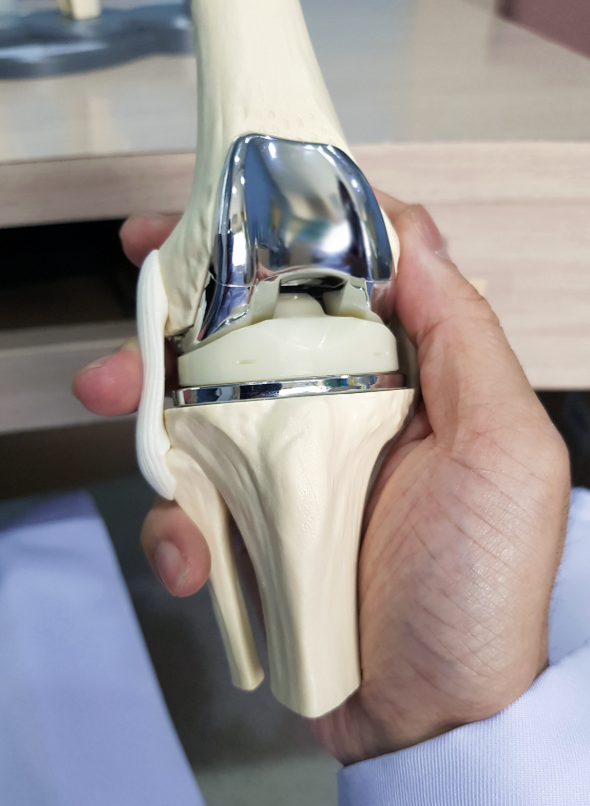
A total knee replacement replaces the damaged joint surfaces throughout the knee. The worn cartilage is removed and replaced with a metal femoral component, a metal tibial component, a plastic bearing surface and sometimes a plastic patellar component.
Modern knee replacements are among the most successful operations in medicine. Around 9 out of 10 people report significant improvements in pain and function, although no artificial knee feels exactly like the original joint.
How do surgeons decide?
Where is the arthritis? If only one compartment is affected, a partial replacement may be possible; if arthritis is widespread, total replacement is generally recommended.
Are the ligaments healthy? The ACL is particularly important, as an intact ACL helps partial knee replacements function normally.
What does the X-ray show? Weight-bearing X-rays allow surgeons to assess joint space narrowing, deformity, bone quality and the number of affected compartments.
What are your symptoms and goals? Occasionally the X-ray and symptoms do not perfectly match, and the decision is always based on both. Someone wishing to remain highly active may have different priorities from someone whose main aim is simply to walk comfortably and sleep without pain.
What happens during knee replacement surgery?
Although every hospital differs slightly, most operations follow the same basic steps. The damaged cartilage and a small amount of underlying bone are removed. Special instruments are then used to position the implants accurately. The components are usually fixed using bone cement, although cementless implants are increasingly used in selected patients. Finally, the surgeon checks alignment, stability, movement and soft tissue balance. The skin is then closed, and rehabilitation begins almost immediately.
Recovery after knee replacement
Recovery is gradual. Although pain often improves quickly, strength and confidence take longer to return.
First 2 weeks: walking with sticks, controlling swelling, wound healing, beginning physiotherapy and regaining knee movement.
2–6 weeks: most patients walk increasing distances, reduce walking aids, improve bending and become more independent.
6–12 weeks: many people can drive again, return to office work, climb stairs more comfortably and walk significantly further.
3–6 months: the majority of improvement occurs during this period. Walking becomes easier, pain continues to settle and strength improves steadily.
One year: although people often feel much better by three months, improvement can continue for 12 months or longer after surgery.
How long does a knee replacement last?
Modern knee replacements are designed to last many years. Current national joint registry data suggest that around 95% are still functioning well at 10 years, and around 90% remain in place at 15–20 years, depending on the implant, patient factors and activity levels. Implants continue to improve, so many modern replacements may last even longer.
Can arthritis come back?
The damaged joint surfaces have been replaced, so the original arthritis does not return. However, like any mechanical device, implants can eventually wear, loosen, become infected or require revision surgery. Fortunately, this is uncommon.
Treatment comparison
| Treatment | Who it suits | Benefits | Limitations |
|---|---|---|---|
| Exercise and strengthening | Everyone with knee osteoarthritis | Reduces pain, improves function and strength | Requires consistency over months |
| Weight management | People carrying excess body weight | Reduces joint loading; ~10% loss gives greatest benefit | Gradual and requires long-term change |
| Physiotherapy | Flare-ups, weakness, poor confidence | Individualised programme and technique guidance | Benefit depends on ongoing home exercise |
| Topical NSAID gel | First-line pain relief for knee OA | Good evidence, fewer systemic side effects | Modest, temporary relief |
| Oral NSAIDs | When gels are insufficient | Effective short-term pain relief | Stomach, kidney and cardiovascular risks |
| Steroid injection | Painful flare-ups or to enable rehabilitation | Short-term pain and swelling relief | Does not slow arthritis; effect wears off |
| Hyaluronic acid | Occasionally used privately | Some patients report improvement | Inconsistent evidence; not recommended by NICE |
| PRP | Selected early arthritis | Possible modest pain relief | Evidence still evolving; not routinely recommended |
| Arthroscopy | True mechanical locking only | May help a displaced meniscal tear | Little or no benefit for arthritis alone |
| Partial knee replacement | Single-compartment arthritis with healthy ligaments | Smaller operation, quicker recovery, natural feel | Only suitable for selected patients |
| Total knee replacement | Widespread arthritis affecting quality of life | Around 9 in 10 report major improvement | Major surgery with a long rehabilitation |
Frequently asked questions
Is walking good for knee arthritis?
Yes. Walking is one of the best forms of exercise provided it is introduced gradually and does not cause prolonged flare-ups.
Should I avoid stairs?
No. Although stairs may be uncomfortable, avoiding them completely often leads to weaker muscles. Strengthening exercises usually make stair climbing easier over time.
Does cold weather make arthritis worse?
Many people notice symptoms worsen in cold or damp weather. Although the exact reason is unclear, this is a common experience.
Can supplements cure arthritis?
No supplement has been proven to regenerate worn cartilage. Some people find certain supplements helpful, but they should not replace exercise, weight management and evidence-based treatment.
Is cracking or grinding harmful?
Not necessarily. Grinding (crepitus) is extremely common and does not always indicate worsening damage. Pain and function are much more important than joint noises.
The OrthoZone take-home message
Knee arthritis is common, but it is not a sentence to inevitable disability or surgery. Cartilage loss cannot be reversed, yet symptoms can be improved dramatically by the things that are within your control: staying active, strengthening the muscles around the knee, managing your weight and using simple pain relief so you can keep exercising.
When those measures are no longer enough, injections may help settle a flare-up, and modern knee replacement is a highly successful operation. The right time for surgery is decided by how arthritis affects your life — not by the appearance of an X-ray.
Top tips
- Keep moving: consistent, moderate activity protects the knee far more than resting it.
- Strengthen your quadriceps and hips — they act as the knee's natural shock absorbers.
- If you are overweight, aim for around 10% weight loss for a significant reduction in knee pain.
- Try a topical anti-inflammatory gel before moving on to tablets, and use painkillers to enable exercise rather than replace it.
- Judge the need for surgery by how arthritis affects your daily life and sleep, not by what the X-ray looks like.