
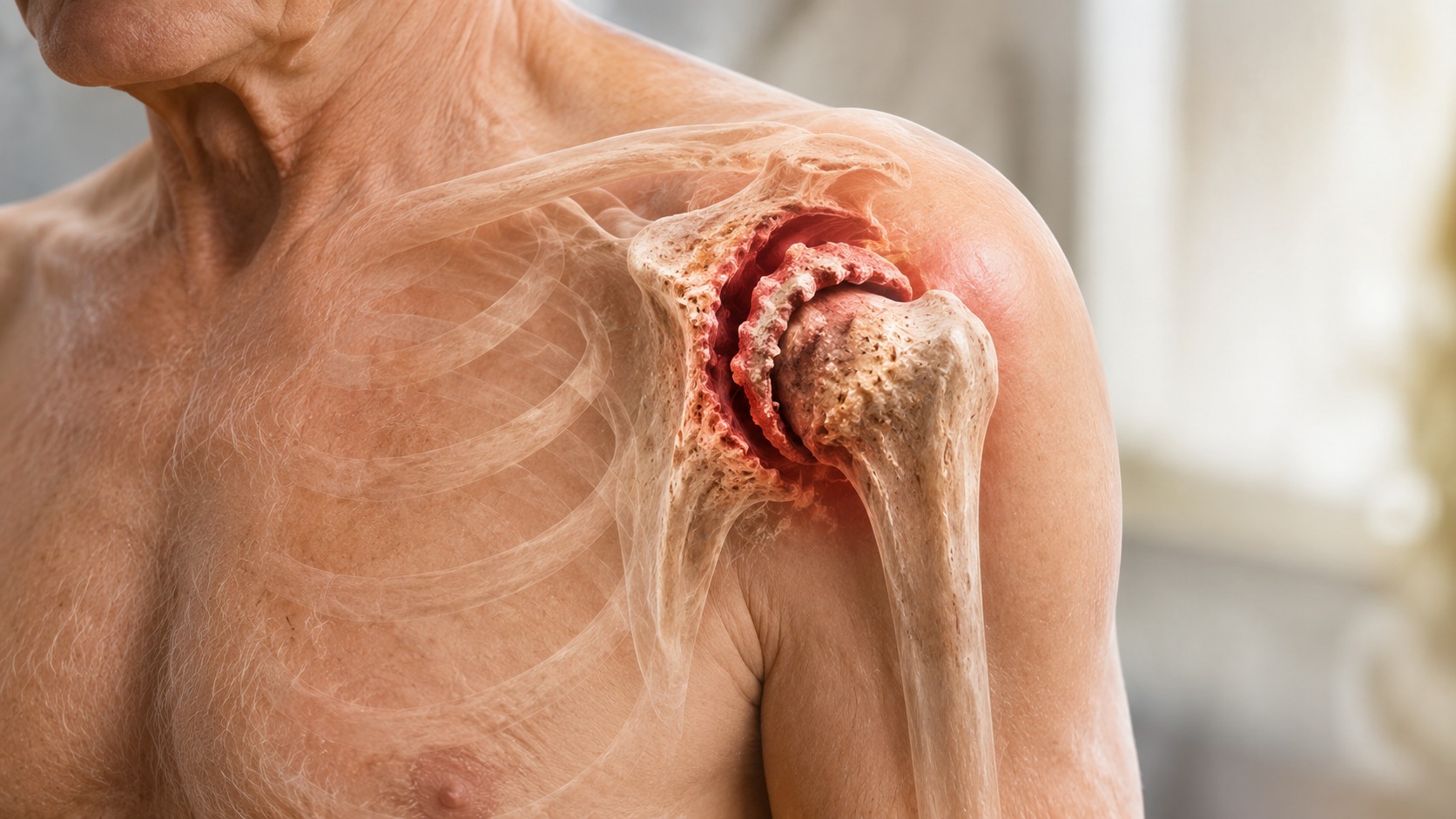
Shoulder Arthritis: Symptoms, Treatment and Shoulder Replacement Surgery
Shoulder arthritis is a common cause of pain and stiffness, particularly in people over the age of 50. Simple tasks such as reaching into a cupboard, fastening a seatbelt, washing your hair or sleeping comfortably can gradually become more difficult.
Unlike arthritis in the hip or knee, shoulder arthritis is less common and many people are unsure what to expect. Some worry that arthritis inevitably means they will need a shoulder replacement, while others believe nothing can be done apart from taking painkillers.
Fortunately, neither of these is true. Many people manage their symptoms successfully for years with a combination of education, activity modification, exercise, medication and occasionally injections. When arthritis becomes severe and begins to have a major impact on quality of life, modern shoulder replacement surgery can provide excellent pain relief and restore function for carefully selected patients.
This guide explains what shoulder arthritis is, why it develops, how it is diagnosed and how doctors decide whether non-operative treatment or surgery is the most appropriate option.
Key points
- Shoulder arthritis causes pain, stiffness and loss of movement as the smooth cartilage lining the joint gradually wears away.
- Most people can manage their symptoms successfully with exercise, activity modification, pain relief and physiotherapy before surgery is considered.
- X-rays usually confirm the diagnosis, while MRI scans are mainly used when there is concern about associated rotator cuff damage or when planning surgery.
- A shoulder replacement is considered when pain and stiffness significantly affect quality of life despite appropriate non-surgical treatment.
- The choice between an anatomical and a reverse shoulder replacement depends largely on the condition of the rotator cuff as well as the degree of arthritis.
What is shoulder arthritis?
The shoulder is a ball-and-socket joint. The ball at the top of the upper arm bone (the humeral head) fits into a shallow socket on the shoulder blade called the glenoid.
Both surfaces are normally covered by a smooth layer of articular cartilage. This cartilage acts like a low-friction coating, allowing the shoulder to move freely with very little resistance.
In shoulder arthritis, this smooth cartilage gradually becomes thinner and rougher. As the cartilage wears away, the underlying bone becomes exposed and the joint no longer glides smoothly. Over time the body also responds by forming extra bone around the edges of the joint, known as osteophytes or bone spurs. These changes can make the joint increasingly painful and stiff.
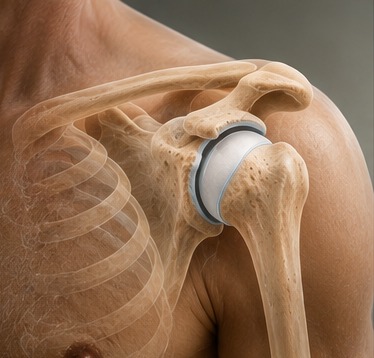
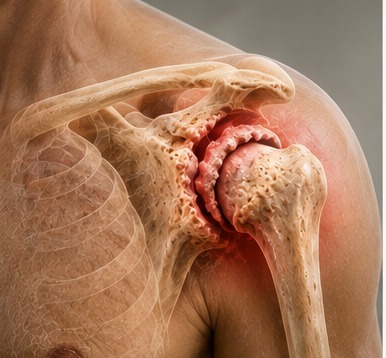
Understanding the shoulder joint
The shoulder is made up of several joints, but the two most commonly affected by arthritis are the glenohumeral joint and the acromioclavicular (AC) joint.
Glenohumeral joint
This is the main ball-and-socket joint between the humeral head and the glenoid. When people refer to shoulder arthritis, they are usually talking about arthritis affecting this joint.
Acromioclavicular (AC) joint
The AC joint is the small joint between the collarbone (clavicle) and the acromion at the top of the shoulder. Arthritis here causes pain over the top of the shoulder rather than deep within the joint, and often hurts when reaching across the body — putting on a seatbelt or fastening a bra, for example. Although both joints can develop arthritis, they are different conditions with different treatments.
What causes shoulder arthritis?
Shoulder arthritis develops when the protective cartilage gradually breaks down. Unlike inflammatory arthritis, where the immune system attacks the joint lining, osteoarthritis is usually the result of a combination of ageing, previous injury, genetics and the body's ability to repair cartilage over time.
As the cartilage becomes thinner the joint surfaces become rougher, movement becomes less smooth, inflammation develops within the joint, the bone beneath the cartilage becomes harder, bone spurs may develop and the joint gradually becomes stiffer and more painful. These changes usually happen slowly over many years rather than appearing suddenly.
Types of shoulder arthritis
Primary osteoarthritis
This is the commonest type. It develops gradually with age without any obvious preceding injury, usually affecting people over the age of 50 and becoming more common as we get older.
Post-traumatic arthritis
Sometimes arthritis develops after a previous injury such as a shoulder fracture, repeated shoulder dislocations, a significant cartilage injury or previous surgery. The joint may function well for many years after the original injury before arthritis gradually develops.
Rotator cuff arthropathy
The rotator cuff is a group of muscles that help centre the ball within the socket. A large, long-standing rotator cuff tear allows the humeral head to migrate upwards. Over time this abnormal movement damages both the cartilage and surrounding bone, producing a distinctive pattern of arthritis known as rotator cuff arthropathy. This matters because treatment differs from standard osteoarthritis and often involves a reverse shoulder replacement rather than a conventional anatomical replacement.
Rheumatoid arthritis
Rheumatoid arthritis is an autoimmune condition in which the immune system attacks the lining of the joint. Although modern medications have reduced its severity, it remains an important cause of shoulder arthritis. People often have arthritis affecting several joints rather than just the shoulder.
Avascular necrosis
Less commonly, reduced blood supply to the humeral head causes the bone to collapse. This eventually leads to arthritis because the joint surface can no longer remain smooth.
Who develops shoulder arthritis?
Shoulder arthritis becomes more common with increasing age. Risk factors include increasing age, previous shoulder injury, previous shoulder instability, previous fractures, repetitive heavy shoulder loading, family history, inflammatory arthritis, large chronic rotator cuff tears and previous shoulder surgery.
Unlike hip and knee arthritis, obesity is not considered a major direct cause because the shoulder is not a weight-bearing joint.
What are the symptoms?
Shoulder arthritis usually develops gradually and early symptoms may come and go. As arthritis progresses, symptoms tend to become more persistent. Common symptoms include deep aching pain within the shoulder, stiffness, difficulty reaching overhead, difficulty reaching behind the back, pain putting on a coat, pain fastening a bra, pain reaching for a seatbelt, disturbed sleep, reduced movement, weakness because of pain, grinding or grating sensations (crepitus) and catching or clicking.
Many people notice that the shoulder becomes painful after prolonged activity but also stiff after long periods of rest.

Why does shoulder arthritis hurt?
People often assume that worn cartilage itself causes pain. In fact, cartilage contains very few pain nerves. Pain arises from surrounding structures including the joint lining (synovium), inflammation, a stretched joint capsule, exposed bone, bone marrow changes and surrounding muscles becoming tight or weak.
This explains why X-rays and pain do not always match perfectly. Some people have severe arthritis on X-ray but relatively mild symptoms, while others experience considerable pain despite only moderate changes. Treatment should therefore be based on how the shoulder affects your daily life rather than the X-ray alone.
How does shoulder arthritis affect everyday life?
As movement becomes more restricted, ordinary activities become increasingly difficult. People commonly report problems with washing or drying their hair, reaching high shelves, putting on jumpers or coats, fastening a bra, reaching into the back seat of the car, gardening, decorating, lifting shopping and sports such as golf, tennis or swimming.
Night pain is particularly common and may become one of the most troublesome symptoms. Many people find sleeping on the affected shoulder impossible. Some are more comfortable lying on their back with the affected arm supported on a pillow, or lying on the opposite side with a pillow supporting the painful arm.
How is shoulder arthritis diagnosed?
For most people, diagnosis begins with a careful history and examination. Your clinician will ask where the pain is felt, when symptoms started, about previous injuries or shoulder surgery, night pain, stiffness, weakness, activities that aggravate symptoms, work, hobbies, and any previous injections or physiotherapy.
Examination
During the examination your clinician will assess shoulder movement, strength, stiffness, tenderness, crepitus, rotator cuff function and shoulder blade movement.
Loss of movement in several directions, particularly external rotation, often suggests glenohumeral arthritis. Pain directly over the AC joint with discomfort when reaching across the body may suggest AC joint arthritis instead.
Do I need an X-ray?
In most cases, yes. An X-ray is usually the first investigation because it clearly shows the bony changes associated with arthritis: narrowing of the joint space, bone spurs (osteophytes), hardening of bone beneath the cartilage, cyst formation and changes in joint alignment.
The degree of arthritis seen on an X-ray helps guide treatment, although symptoms remain the most important factor when deciding what to do next.
Do I need an MRI scan?
Not everyone needs an MRI. It is particularly useful when your clinician wants to assess the rotator cuff, cartilage damage, tendon tears or the soft tissues around the joint. MRI is especially important if shoulder replacement surgery is being considered, because the condition of the rotator cuff strongly influences which type of replacement is most appropriate.
Could it be something other than arthritis?
Several conditions can produce similar symptoms, including rotator cuff tears, frozen shoulder, shoulder impingement, calcific tendinitis, AC joint arthritis, biceps tendon problems, inflammatory arthritis and referred pain from the neck. This is why a careful examination remains important even when arthritis is visible on an X-ray.
How do doctors decide on treatment?
One of the biggest misconceptions about shoulder arthritis is that treatment depends entirely on the X-ray. In reality, the decision is based on three equally important questions.
1. How much does the arthritis affect your daily life? Some people have severe arthritis on an X-ray but only mild symptoms. Others have moderate arthritis but struggle to sleep, work or perform everyday activities.
2. Have non-surgical treatments been tried? Most people benefit from a combination of education, activity modification, physiotherapy, pain relief, exercise and occasionally injections. These treatments often control symptoms for months or even years.
3. Are the benefits of surgery likely to outweigh the risks? Shoulder replacement can provide excellent pain relief, but it is still a major operation requiring rehabilitation.
Treatment for shoulder arthritis
The good news is that most people with shoulder arthritis do not need surgery straight away. Although arthritis cannot currently be reversed, many people control their symptoms successfully for months or even years using education, exercise, pain relief and activity modification.
The aim of treatment is to reduce pain, improve movement, maintain strength, help you remain independent, delay or avoid surgery where possible and improve your quality of life.
Activity modification
Many people instinctively stop using the shoulder altogether because they worry about making the arthritis worse. In reality, complete rest is rarely helpful. Instead, continue using the shoulder while avoiding activities that repeatedly provoke severe pain.
Simple strategies include taking regular breaks during repetitive activities, avoiding prolonged overhead work, using both hands to lift heavier objects, keeping frequently used items at waist height, using a step rather than repeatedly reaching overhead, pacing activities through the day and asking for help with heavy lifting. It is normal for symptoms to fluctuate — a painful day does not necessarily mean the arthritis has suddenly worsened.
Can exercise help arthritis?
Absolutely. One of the biggest myths surrounding arthritis is that exercise wears the joint out faster; current evidence suggests the opposite. Regular exercise helps maintain shoulder movement, improve muscle strength, support the joint, reduce stiffness, improve confidence and make everyday activities easier.
Exercise cannot regrow cartilage. However, stronger muscles reduce the force transmitted through painful parts of the joint and improve how efficiently the shoulder moves — for many people this means less pain and better function.
Physiotherapy and exercises
Physiotherapy is one of the most important parts of treatment. A physiotherapist will usually design a programme based on your symptoms, movement and goals, commonly including gentle stretching, shoulder mobility exercises, rotator cuff strengthening, shoulder blade exercises, posture advice, gradual strengthening and advice about pacing.
Rather than aiming for a perfect shoulder, rehabilitation aims to help you get the maximum function from the shoulder you have.

Pendulum exercises
These gentle swinging movements help reduce stiffness while placing very little load through the joint.
Assisted shoulder elevation
Using the opposite arm, a stick or a towel helps improve movement without placing excessive strain on the painful shoulder.
Wall slides
Sliding the hand gently up a wall helps maintain movement while allowing the body to support part of the arm's weight.
Rotator cuff strengthening
Light resistance band exercises gradually strengthen the muscles that stabilise the shoulder.
Shoulder blade exercises
Improving control of the shoulder blade often reduces the effort required from the painful joint. Exercises should produce only mild discomfort — pain that continues to worsen for many hours afterwards usually means the programme is progressing too quickly.
Pain relief
Pain relief is often helpful, particularly during flare-ups. Options may include paracetamol, topical anti-inflammatory gels, anti-inflammatory tablets (NSAIDs) and occasionally stronger medication prescribed by your doctor.
Medication should always be discussed with your GP or pharmacist, particularly if you have kidney disease, stomach ulcers, heart disease, asthma or other long-term conditions. Pain relief is intended to help you remain active and complete rehabilitation — it does not treat the arthritis itself.
Ice or heat?
Both can help. Ice is often useful after activity or during painful flare-ups — apply for around 15–20 minutes with a towel between the ice and the skin. Heat may reduce stiffness before activity, and many people prefer a warm shower or heat pack before exercising. Some people respond better to heat, others to ice.
Can injections help?
A steroid injection into the shoulder joint may reduce pain for a period of time. For some people this provides several months of relief; for others the benefit is much shorter. The injection does not repair cartilage or stop arthritis progressing — it aims to reduce inflammation within the joint and improve pain enough to allow normal activities or physiotherapy.
Steroid injections are often considered when pain is affecting sleep, rehabilitation is difficult because of pain, surgery is not yet appropriate, or a temporary reduction in symptoms is needed. Repeated steroid injections are generally avoided because of concerns about their potential effects on cartilage and surrounding tissues.
What about hyaluronic acid or PRP injections?
You may read about newer injections including hyaluronic acid, platelet-rich plasma (PRP) and stem cell injections. At present the evidence supporting these treatments for shoulder arthritis remains limited. Some studies have shown improvements in pain, while others found little difference compared with standard treatment, so they are not routinely recommended for everyone. Research is continuing.
When should surgery be considered?
Many people worry that surgery is inevitable once arthritis appears on an X-ray. Fortunately, that is rarely the case. Surgery is usually considered when pain has become severe, sleep is regularly disturbed, everyday activities are increasingly difficult, non-operative treatments have not provided sufficient benefit and the arthritis is significantly affecting quality of life.
The decision is not based purely on the X-ray. Some people with severe arthritis cope remarkably well without surgery; others struggle despite more moderate changes.
Does arthroscopy help shoulder arthritis?
Many patients ask whether arthritis can simply be “cleaned out” using keyhole surgery. Unfortunately, arthroscopy has only a limited role in established shoulder arthritis. Removing loose tissue or smoothing rough cartilage does not replace missing cartilage. Carefully selected younger patients with early arthritis may obtain temporary relief, but arthroscopy is generally not recommended once arthritis has become advanced. For severe arthritis, shoulder replacement provides much more predictable pain relief.
What is a shoulder replacement?
A shoulder replacement involves removing the worn joint surfaces and replacing them with artificial components. The operation aims to relieve pain, restore movement, improve function and improve quality of life. Modern shoulder replacements have excellent success rates when performed for the correct reasons.
The two commonest types are the anatomical shoulder replacement and the reverse shoulder replacement. Choosing between them depends largely on the condition of the rotator cuff.
Anatomical shoulder replacement
This is the traditional shoulder replacement, and the artificial joint closely copies normal anatomy: a metal ball replaces the humeral head and a plastic socket replaces the glenoid.
Because it relies on the rotator cuff to function normally, it is usually performed when the rotator cuff is intact, arthritis is the main problem and the muscles around the shoulder remain functional. Patients often achieve excellent pain relief together with good movement.
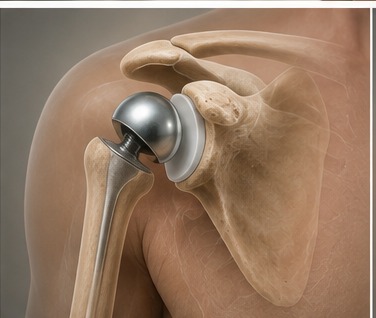
Reverse shoulder replacement
A reverse shoulder replacement looks very different: the ball is attached to the shoulder blade and the socket to the upper arm. This changes the mechanics of the shoulder, so instead of depending mainly on the rotator cuff, it relies much more on the deltoid muscle.
Reverse replacements are commonly used when there is a large rotator cuff tear, rotator cuff arthropathy is present, previous shoulder replacements have failed, complex fractures occur in older adults, or the rotator cuff cannot reliably support a conventional replacement. This operation has transformed treatment for patients who previously had very limited surgical options.
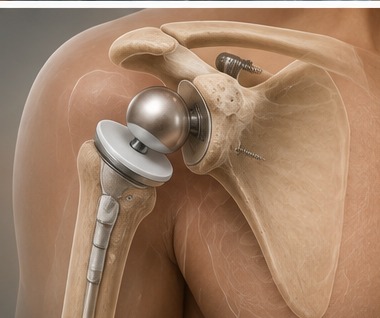
Why can't everyone just have a reverse shoulder replacement?
Reverse shoulder replacements work extremely well for the right patient, but they are not automatically better. An anatomical replacement usually provides more natural shoulder mechanics, better rotation and better function when the rotator cuff is healthy. A reverse replacement sacrifices some of that natural movement in exchange for greater stability when the rotator cuff no longer works.
The best operation is therefore the one that matches your individual shoulder rather than a single operation for everyone.
How do surgeons decide which replacement is best?
Is the rotator cuff intact? This is probably the single most important question. If the cuff works well, an anatomical replacement may be appropriate; if it does not, a reverse replacement often provides a better result.
How severe is the arthritis? Advanced arthritis with complete loss of cartilage usually favours replacement surgery.
How much bone remains? CT scans sometimes help surgeons assess socket wear, bone loss and implant positioning.
What are your goals? Someone wanting to return to golf may have different priorities from someone whose main goal is sleeping comfortably again.
Your age and general health. The risks and benefits of surgery should always be considered alongside your overall health.
Recovery after shoulder replacement
Recovery takes time. Typical milestones include:
First six weeks — sling, wound healing, gentle physiotherapy and gradual movement.
Six to twelve weeks — increasing movement, strengthening exercises and everyday activities becoming easier.
Three to six months — most people notice substantial improvements during this period.
Around one year — improvement can continue for 9–12 months after surgery. Patience is important.

How long does a shoulder replacement last?
Modern shoulder replacements are designed to last many years and many continue functioning well for 15–20 years or longer, although longevity depends on age, activity level, implant type, bone quality and the underlying diagnosis. No artificial joint lasts forever, but current results are excellent.
Will arthritis come back after shoulder replacement?
The worn joint surfaces have been replaced, so the original arthritis does not return. However, the artificial joint can eventually wear, loosen or develop other problems over many years, so regular follow-up may be recommended.
Comparison of treatments
| Treatment | Advantages | Limitations |
|---|---|---|
| Exercise | Improves movement and strength | Does not reverse arthritis |
| Physiotherapy | Improves function | Requires commitment |
| Pain medication | Reduces symptoms | Does not change disease progression |
| Steroid injection | Temporary pain relief | Benefit usually temporary |
| Anatomical shoulder replacement | Excellent pain relief with intact rotator cuff | Requires a healthy rotator cuff |
| Reverse shoulder replacement | Excellent option when the rotator cuff is deficient | Different shoulder mechanics |
Frequently asked questions
Can I still go to the gym?
Yes. Exercises can usually be modified. Heavy overhead pressing may become uncomfortable, but many strengthening exercises remain possible.
Does cracking mean my arthritis is getting worse?
Not necessarily. Clicking or grinding can occur in both healthy and arthritic shoulders. Pain and loss of function are usually more important than noise alone.
Will I eventually need surgery?
Not everyone does. Many people manage their symptoms successfully for years without an operation.
Is shoulder replacement successful?
Yes. For carefully selected patients, shoulder replacement is one of the most successful operations in orthopaedics for relieving pain and improving quality of life.
The OrthoZone take-home message
Shoulder arthritis is common, but it is not a one-way road to surgery. Most people gain meaningful control of their symptoms through movement, strengthening and sensible pacing, supported by pain relief and occasionally an injection. When arthritis does become severe, modern shoulder replacement is highly effective — and choosing the operation that matches your rotator cuff and your goals matters far more than choosing the newest implant.
Top tips
- Keep moving — gentle daily movement helps reduce stiffness and maintain function.
- Strength matters: strong rotator cuff and shoulder blade muscles help support the joint even when arthritis is present.
- Don't judge your shoulder by the X-ray alone — treatment should be based on your symptoms and quality of life.
- Surgery is usually the last step, not the first. Many people achieve excellent symptom control with physiotherapy, exercise and activity modification.
- If shoulder replacement becomes necessary, choosing the right operation matters more than choosing the newest one — anatomical and reverse replacements are designed for different problems.
Related articles

Frozen Shoulder (Adhesive Capsulitis): Symptoms, Treatment and Recovery
An evidence-based guide to frozen shoulder: the three stages, why it develops, how it is diagnosed, physiotherapy, injections, hydrodilatation, surgery and recovery.
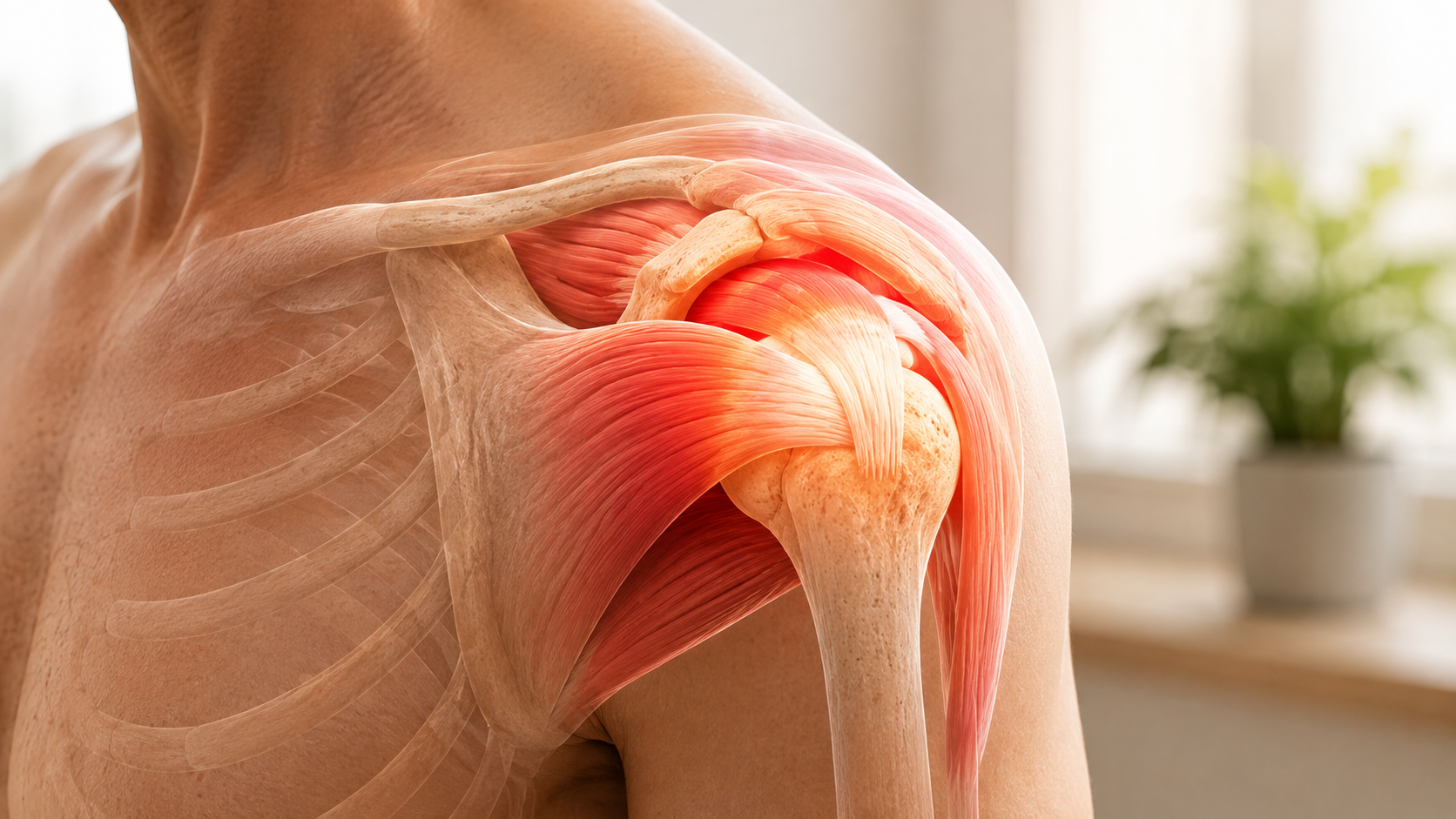
Rotator Cuff Tear: Symptoms, Treatment, Surgery and Recovery
An evidence-based guide to rotator cuff tears: symptoms, diagnosis, physiotherapy, injections, surgery and recovery.
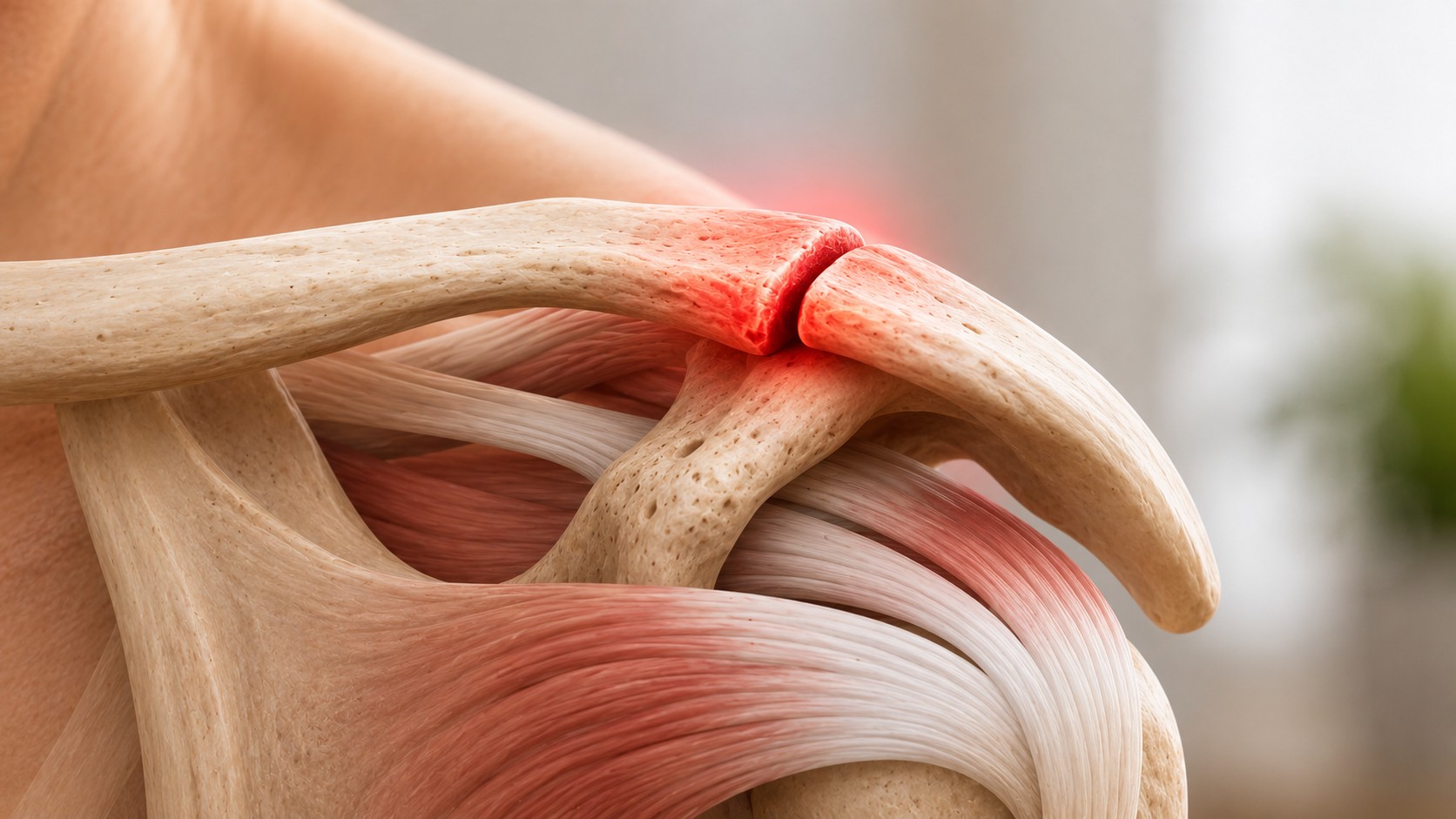
Shoulder Impingement: Symptoms, Exercises, Treatment and Recovery
An evidence-based guide to shoulder impingement (subacromial pain syndrome): symptoms, diagnosis, exercises, injections, surgery and recovery.