Top 3 Supplements for Arthritis: Turmeric, Omega-3 and Boswellia
Supplements are widely marketed to people with arthritis, often with claims that they can rebuild cartilage, reverse joint damage or eliminate pain. Unfortunately, the evidence behind many of these products is limited.
Three supplements have attracted more serious scientific interest: turmeric or curcumin, omega-3 fatty acids and Boswellia serrata. Research suggests that each may help some people with osteoarthritis, particularly by reducing pain, stiffness or inflammation. However, the strength and consistency of the evidence differ, and none should be considered a cure.
This guide explains what the research actually shows, how the three supplements differ, what doses have been studied, how long benefits may take to appear and the important safety issues to consider before starting them.
Key points
- Turmeric or curcumin has reasonably encouraging evidence for improving pain and function in knee osteoarthritis.
- Boswellia may reduce osteoarthritis pain and stiffness, although the available trials are relatively small and vary in quality.
- Omega-3 has credible anti-inflammatory effects, but human evidence specifically for osteoarthritis remains mixed.
- None of these supplements has been proven to rebuild worn cartilage or cure arthritis.
- Supplements can interact with medicines and may not be appropriate for people with liver disease, bleeding risks or certain heart conditions.
Can supplements really help arthritis?
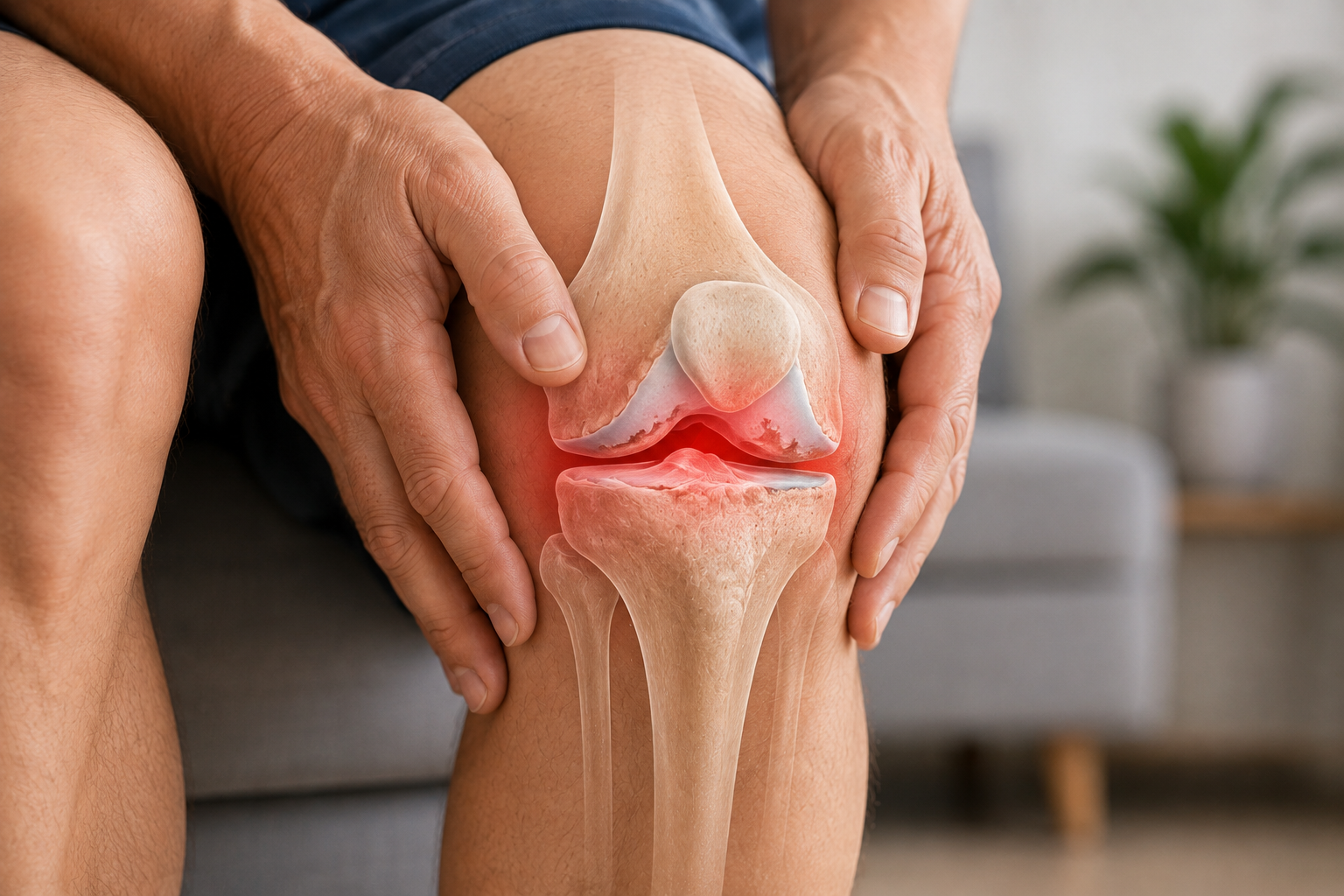
The word arthritis covers many different conditions. This article focuses primarily on osteoarthritis, particularly knee osteoarthritis, because this is where most of the research on turmeric, omega-3 and Boswellia has been conducted.
Osteoarthritis affects the whole joint. It may involve cartilage loss, changes in the bone beneath the cartilage, inflammation of the joint lining, muscle weakness, altered joint mechanics and pain-processing changes within the nervous system.
This means no single tablet or supplement is likely to address every part of the condition. Supplements are best viewed as a possible addition to established treatments such as regular exercise, muscle strengthening, weight management where appropriate, activity modification, physiotherapy, suitable pain relief, and injections or surgery when clinically indicated. They should not replace these treatments.

What does “evidence-based” mean for supplements?
Evidence for supplements can be difficult to interpret. Different studies may use different extracts, different doses, different levels of active ingredient, different methods of improving absorption, different treatment durations, or combination products containing several ingredients.
Two products labelled “turmeric” or “Boswellia” may therefore be very different. Supplements are also not always manufactured to the same standards as prescription medicines, and the amount of active ingredient may vary considerably between products.
For that reason, a positive trial involving one branded, standardised extract does not automatically prove that every supermarket or online version will work in the same way.
1. Turmeric and curcumin
What are turmeric and curcumin?
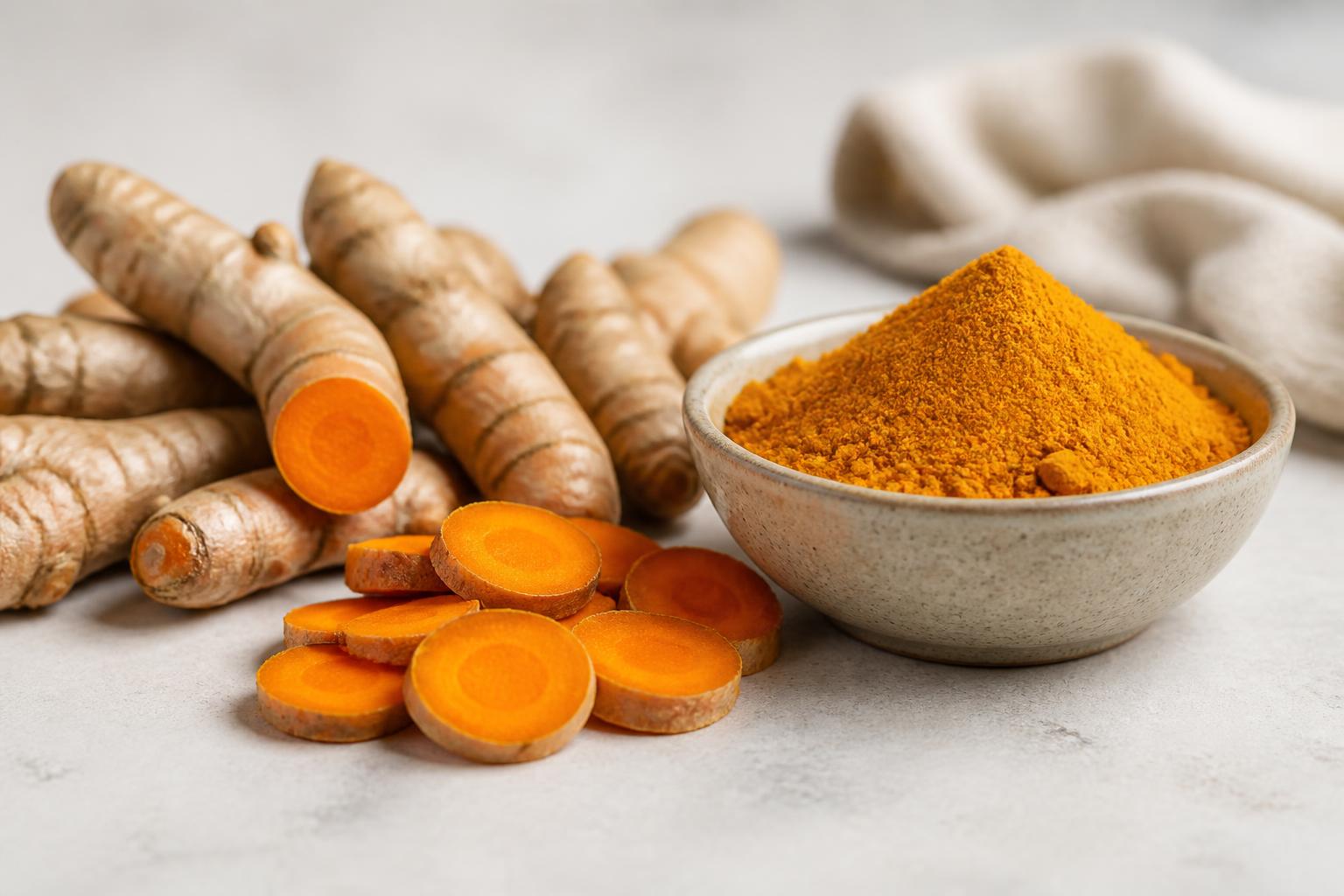
Turmeric is a yellow-orange spice derived from the root of the Curcuma longa plant. Curcumin is one of its main biologically active compounds and is thought to be responsible for many of turmeric's anti-inflammatory effects.
Ordinary culinary turmeric contains only a relatively small proportion of curcuminoids. Most clinical studies therefore use concentrated curcumin extracts, standardised curcuminoid preparations, or formulations designed to improve absorption. This distinction is important: adding a small amount of turmeric to food is not equivalent to taking the concentrated products used in clinical trials.
How might curcumin help arthritis?
Laboratory research suggests curcumin may influence several pathways involved in inflammation, including nuclear factor kappa B (NF-κB), cyclo-oxygenase-2 (COX-2), inflammatory cytokines, enzymes involved in cartilage breakdown and oxidative stress.
These mechanisms are biologically plausible, but laboratory effects do not always translate into meaningful improvements for patients. Clinical trials are therefore more important than laboratory studies when deciding whether a supplement is worthwhile.
What does the evidence show?
A 2021 systematic review examined ten randomised trials of turmeric or curcumin in people with knee osteoarthritis. All ten studies reported improvements in pain and function from baseline, and in placebo-controlled studies turmeric or curcumin generally produced better pain and functional outcomes than placebo.
Three studies compared turmeric preparations with non-steroidal anti-inflammatory drugs and found broadly similar improvements between the groups. However, the review stressed that the number of direct comparisons was small and that formulations and doses differed substantially.
The overall conclusion was that turmeric therapy may improve knee osteoarthritis pain and function, but the review could not identify the best preparation or dose.
What this means in practice
Curcumin appears promising, but it would be inaccurate to say that it has been proven to work as well as anti-inflammatory medication in every patient. The fairest interpretation is that some high-quality trials show benefit and the overall results are encouraging, but different formulations make direct comparison difficult, optimal dosing remains uncertain and long-term evidence is limited.
How much curcumin should you take?
Daily doses in the published trials varied widely, from under 100 mg to approximately 2,000 mg, depending on the formulation. Many preparations were specifically designed to improve bioavailability.
A commonly used general dose is 500 mg of a standardised curcumin extract once or twice daily. However, this is not a universal evidence-based dose, because absorption varies greatly between products.
Some supplements use piperine or black pepper extract, phospholipid complexes, water-dispersible formulations or micellar and lipid-based delivery systems. These may increase absorption, but they can also alter the risk of interactions. Follow the manufacturer's instructions and discuss the product with a pharmacist or doctor, particularly when taking regular medication.
How long does curcumin take to work?
Some studies reported improvements within several weeks, while others assessed outcomes over several months. A sensible trial is usually six to twelve weeks. Stop earlier if adverse effects develop — continuing indefinitely without any noticeable benefit is unlikely to be worthwhile.
Possible side effects
Curcumin is generally well tolerated, but possible adverse effects include nausea, indigestion, diarrhoea, abdominal discomfort and reflux symptoms.
The 2021 review found no severe adverse events across the included studies, although gastrointestinal symptoms were the most commonly reported problem and some higher-dose preparations produced more adverse effects. There have also been reports of liver injury associated with turmeric and curcumin supplements. This appears uncommon, but it is important.
Stop the supplement and seek medical advice if you develop yellowing of the skin or eyes, dark urine, severe itching, persistent nausea, unusual fatigue or upper abdominal pain.
Who should seek advice before taking curcumin?
Speak to a healthcare professional if you take anticoagulants or antiplatelet medication, have liver disease, have gallbladder or bile-duct disease, take chemotherapy, take immunosuppressant medication, are pregnant or breastfeeding, or are due to undergo surgery.
Curcumin should not automatically be assumed to be safe simply because it is plant-derived.
2. Boswellia serrata
What is Boswellia?
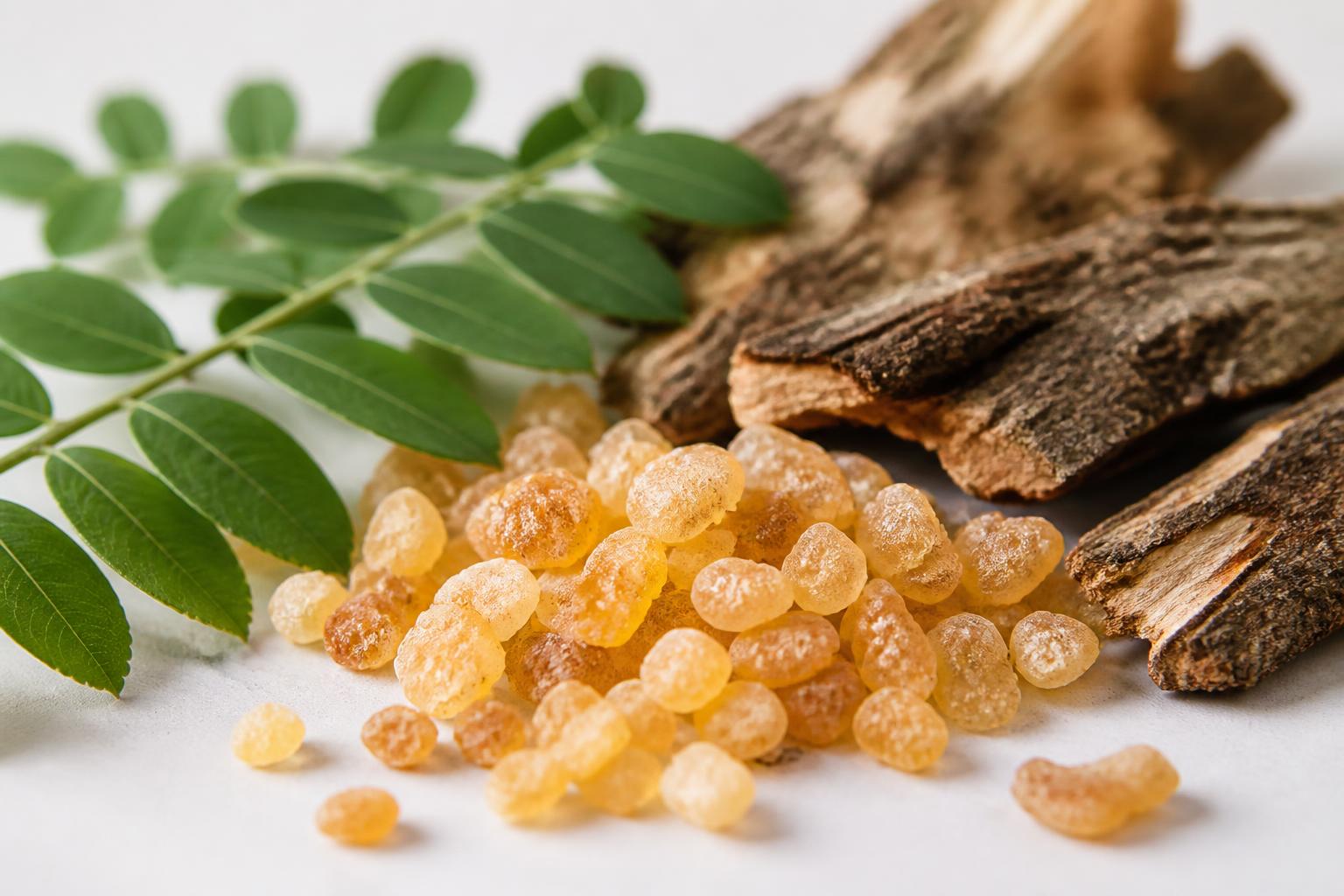
Boswellia serrata is a tree native to parts of India, North Africa and the Middle East. Its resin has traditionally been used in Ayurvedic medicine and is also associated with frankincense.
The active substances are known as boswellic acids. One of the most extensively studied is 3-O-acetyl-11-keto-beta-boswellic acid, usually shortened to AKBA. Commercial extracts include formulations such as 5-Loxin, Aflapin and other standardised Boswellia serrata extracts. These are not necessarily interchangeable.
How might Boswellia help arthritis?
Boswellic acids appear to influence inflammatory pathways. AKBA has been studied for its effect on 5-lipoxygenase, an enzyme involved in producing inflammatory leukotrienes. Laboratory research also suggests Boswellia extracts may influence inflammatory cytokines, NF-κB signalling and enzymes involved in cartilage degradation.
These mechanisms provide a plausible reason why Boswellia might reduce pain and stiffness, but the clinical evidence still needs cautious interpretation.
What does the evidence show?
A 2020 systematic review and meta-analysis included seven randomised trials involving 545 people with osteoarthritis. Compared with control treatments, Boswellia or Boswellia-containing preparations were associated with improvements in pain, stiffness, physical function and Lequesne functional scores.
The authors concluded that Boswellia may be effective and reasonably safe for osteoarthritis, with improvements generally becoming apparent after at least four weeks.
However, several studies were small, some had unclear or high risk of bias, results varied substantially between studies, different extracts and combination products were used, and adverse-event reporting was incomplete. The authors therefore advised that the findings should be interpreted cautiously.
How much Boswellia should you take?
The trials included preparations delivering approximately 100–250 mg daily of certain standardised extracts. However, this does not mean 100–250 mg of every Boswellia product is equivalent. The important issue is the concentration of active boswellic acids, particularly AKBA.
When selecting a product, look for a clearly stated Boswellia serrata extract, standardisation of active boswellic acids, AKBA content where provided, independent quality testing and full ingredient and dose information. Avoid products that simply list “Boswellia powder” without stating the extract strength.
How long does Boswellia take to work?
The meta-analysis suggested improvements may begin after approximately four weeks of continuous use. A trial of eight to twelve weeks is reasonable if the product is well tolerated. As with curcumin, discontinue it if there is no worthwhile improvement.
Possible side effects
Possible adverse effects include nausea, indigestion, abdominal discomfort, diarrhoea, headache and skin reactions.
The 2020 review did not find a clear increase in adverse events compared with controls, but adverse-event reporting was limited. The absence of reported harm does not prove that a supplement is risk-free.
Who should seek advice before taking Boswellia?
Check with a doctor or pharmacist if you take blood-thinning medication, regularly take anti-inflammatory medication, take immunosuppressant drugs, take antidepressant or anti-anxiety medication, have a bleeding disorder, are pregnant or breastfeeding, or are awaiting surgery.
Evidence on long-term safety remains less complete than it is for many licensed medicines.
3. Omega-3 fatty acids
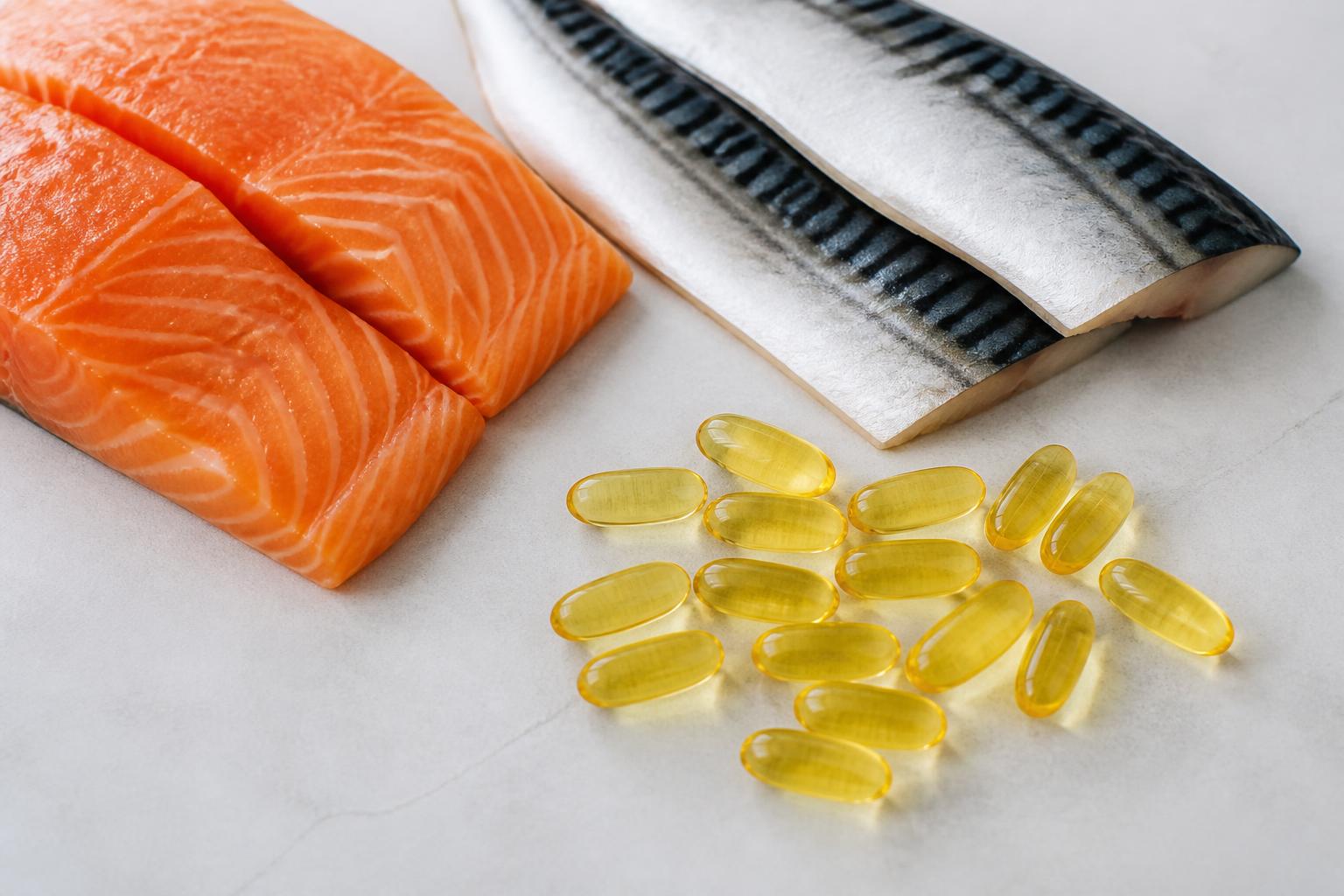
What are omega-3 fatty acids?
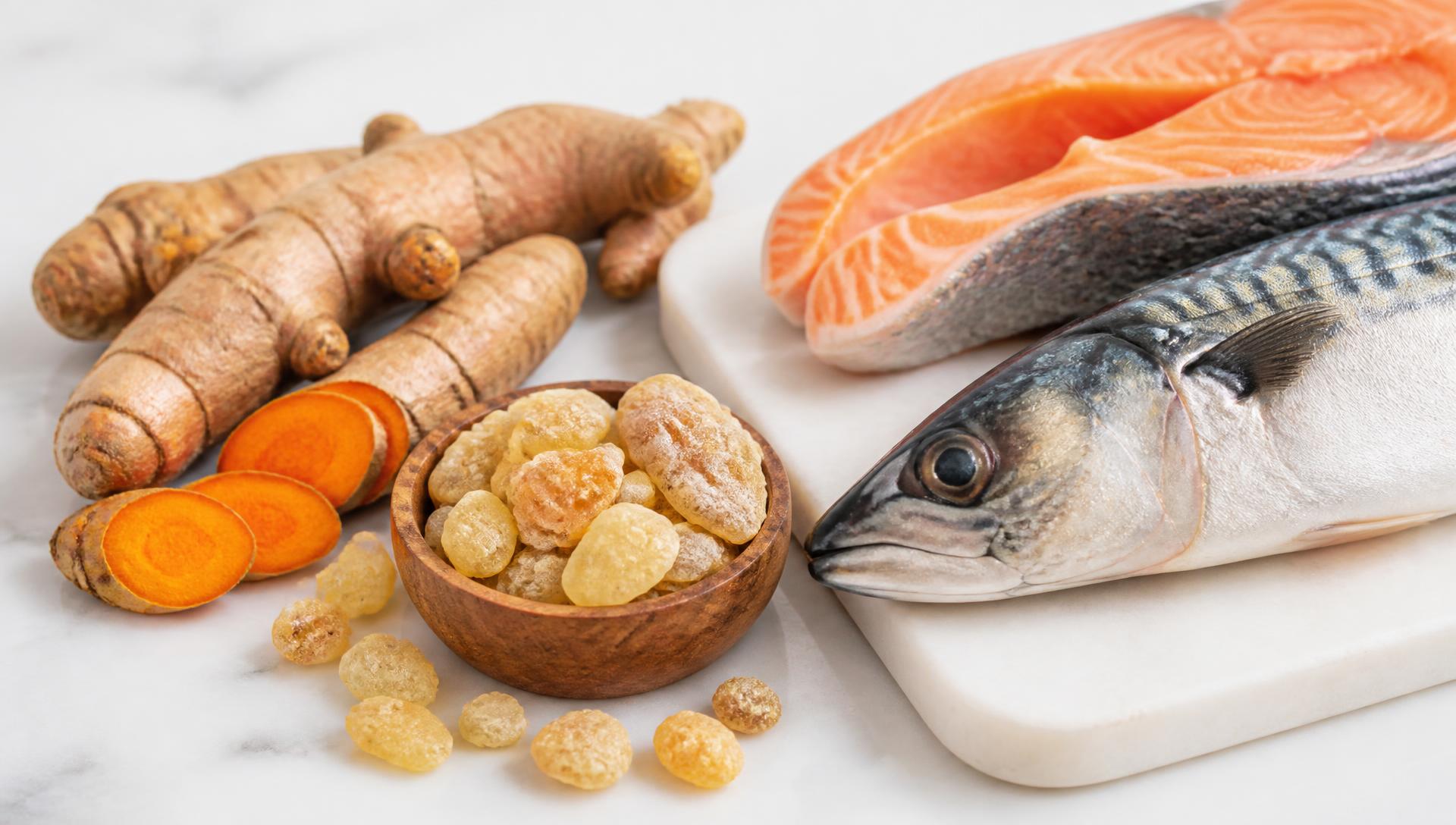
Omega-3 fatty acids are polyunsaturated fats found in salmon, sardines, mackerel, herring, trout, krill oil and algae-derived supplements.
The two marine omega-3 fatty acids most relevant to inflammation are EPA (eicosapentaenoic acid) and DHA (docosahexaenoic acid). Plant foods such as flaxseed and walnuts contain alpha-linolenic acid, or ALA. The body can convert some ALA into EPA and DHA, but conversion is limited.
How might omega-3 help arthritis?
EPA and DHA are incorporated into cell membranes and may alter the production of inflammatory signalling molecules. They are also precursors to compounds involved in resolving inflammation, including resolvins, protectins and maresins.
Preclinical research suggests omega-3 fatty acids may reduce inflammatory activity, influence cartilage metabolism, reduce certain cartilage-degrading enzymes and alter the inflammatory environment within the joint. However, encouraging laboratory findings do not automatically mean the same effect occurs in people.
What does the evidence show?
A 2022 review found that laboratory and animal evidence for omega-3 in osteoarthritis was biologically plausible and generally encouraging, but human research was much less consistent.
Some studies reported improvements in pain, stiffness, physical function and analgesic use. Other trials found little or no meaningful difference compared with placebo or other treatments. For example, one cod-liver-oil study found no additional benefit when added to regular anti-inflammatory medication; a green-lipped mussel trial improved stiffness but not pain; another trial found benefits from krill oil for pain, stiffness and function; and a two-year study found that both high- and low-dose fish oil groups improved, but unexpectedly the lower-dose group did better for pain and function, with neither dose producing a clear difference in cartilage volume.
The review concluded that omega-3 may be useful, but that the human evidence was mixed and better research was needed to determine the best dose, the ideal EPA-to-DHA ratio, which patients are most likely to benefit and whether omega-3 alters disease progression.
Can omega-3 protect cartilage?
Laboratory and animal studies suggest that omega-3 fatty acids may influence cartilage-degrading pathways. A prospective human study also found an association between greater polyunsaturated-fat intake and less joint-space loss over four years. However, observational associations cannot prove that omega-3 supplements caused the effect.
At present, it is not justified to say that fish oil has been proven to prevent cartilage loss or stop osteoarthritis progressing. Its potential benefit is better described as biologically plausible, supported by some clinical studies, but not yet established as a disease-modifying treatment.
Food or supplements?
Eating oily fish offers omega-3 together with protein, vitamin D, selenium and other nutrients. A practical dietary target is often one to two portions of oily fish per week.
Those who do not eat fish may consider fish-oil capsules, krill oil or algae-derived EPA and DHA. Algae-based products are suitable for vegetarians and vegans.
How much omega-3 should you take?
Trials have used a wide range of doses, and there is no clear evidence that higher doses are better. In one trial, approximately 0.45 g of EPA plus DHA performed better for pain and function than 4.5 g daily, although interpretation was complicated by the comparison oils used.
A moderate supplement may provide approximately 500–1,000 mg combined EPA and DHA daily. Higher doses should generally be discussed with a healthcare professional. Check the actual EPA and DHA content rather than the total amount of “fish oil” — a 1,000 mg fish-oil capsule may contain far less than 1,000 mg of EPA and DHA.
Choosing an omega-3 product
Look for clearly stated EPA and DHA amounts, independent purity testing, protection from oxidation, an expiry date and reputable manufacturing standards.
Fish oil can become rancid. Store it according to the manufacturer's instructions and discard it if it develops a strong, unpleasant or paint-like smell. Taking it with food may reduce fishy aftertaste or “fish burps”.
Possible side effects
Common side effects include fishy aftertaste, nausea, loose stools, indigestion and abdominal discomfort. Omega-3 may also influence bleeding and anticoagulation, particularly at higher doses or when combined with blood-thinning medicines.
Speak to a healthcare professional if you take warfarin or another anticoagulant, take antiplatelet medication, have a bleeding disorder, take blood-pressure medication, have an irregular heart rhythm, are due to have surgery or have a fish or shellfish allergy.
How do the three supplements compare?
| Supplement | Evidence for osteoarthritis | Possible benefits | Main limitations | Typical studied approach |
|---|---|---|---|---|
| Turmeric / curcumin | Encouraging evidence from several randomised trials | May reduce pain and improve function | Formulations and doses vary; absorption is inconsistent; rare liver injury reported | Often 500 mg once or twice daily of a standardised extract |
| Boswellia serrata | Promising but based on smaller and more variable trials | May improve pain, stiffness and function | Trial quality varies; products are not interchangeable; long-term safety data limited | Approximately 100–250 mg daily of certain standardised extracts |
| Omega-3 (EPA/DHA) | Mixed human evidence despite plausible anti-inflammatory mechanisms | May modestly improve pain, stiffness or function in some people | Optimal dose unclear; studies use different oils; not proven to slow progression | Often 500–1,000 mg combined EPA and DHA daily |
Which supplement has the strongest evidence?
There is no universally accepted ranking. Turmeric or curcumin currently has the most consistent trial evidence of the three for knee osteoarthritis pain and function, although uncertainty remains about the best formulation, the correct dose, long-term safety and whether benefits apply equally across different joints.
Boswellia has promising results for pain, stiffness and function, but the evidence base is smaller and more heterogeneous. It may be reasonable to consider, particularly as a standardised extract, but claims that it is definitively superior to other supplements are premature.
Omega-3 has strong biological plausibility and broader health relevance, but its clinical evidence specifically for osteoarthritis is less consistent. It should not be marketed as a proven cartilage-protecting treatment.
Evidence summary
| Question | Turmeric / curcumin | Boswellia | Omega-3 |
|---|---|---|---|
| May reduce pain? | Probably in some people | Possibly | Possibly, but results are mixed |
| May improve function? | Encouraging evidence | Encouraging but limited evidence | Some positive studies |
| Proven to rebuild cartilage? | No | No | No |
| Optimal dose established? | No | No | No |
| Main safety concern | Interactions, gastrointestinal effects and rare liver injury | Drug interactions and incomplete long-term safety data | Bleeding risk, gastrointestinal effects and possible cardiac considerations |
| Reasonable trial period | 6–12 weeks | 4–12 weeks | 8–12 weeks |
Should you take all three together?
There is not enough high-quality evidence to show that combining all three produces greater benefit than taking one alone. Combination products also make it difficult to know which ingredient is helping, which ingredient is causing side effects, whether each component is present at an effective dose and whether interactions are more likely.
A more sensible approach is usually to discuss the plan with a pharmacist or doctor, choose one supplement, use a reputable standardised product, trial it for an appropriate period, record pain and function, and stop it if there is no meaningful benefit.
How can you tell whether a supplement is working?
Choose one or two practical outcomes before starting — for example walking duration, pain on stairs, sleep disturbance, ability to rise from a chair, use of pain medication or stiffness first thing in the morning.
Rate these before starting and again after six to twelve weeks. A supplement is only worthwhile if it produces a meaningful improvement that justifies its cost, inconvenience, interaction risk and side effects. Small day-to-day changes can occur naturally in arthritis, so avoid judging the effect after only a few days.
What supplements cannot do
These products have not been proven to regrow lost cartilage, reverse advanced osteoarthritis, correct deformity, restore a severely narrowed joint space, replace strengthening exercises or remove the need for surgery when surgery is clinically indicated.
Be cautious of products using phrases such as “clinically guaranteed”, “rebuilds cartilage”, “reverses arthritis”, “works for everyone” or “doctor-approved cure”. These claims go beyond the available evidence.
When should you seek medical advice?
Seek professional assessment if you have rapidly worsening joint pain, a hot, swollen or red joint, sudden inability to bear weight, joint locking, marked instability, unexplained fever, pain following a significant injury, persistent night pain, unexplained weight loss, or symptoms affecting daily life despite self-management.
A supplement should not delay investigation of symptoms that may have another cause.
Top tips
- Check the active ingredient — look for a standardised extract with the curcuminoid, boswellic acid or EPA/DHA content clearly stated.
- Try one supplement at a time so you can tell what is actually helping.
- Give it a fair trial of six to twelve weeks, and score one or two practical outcomes before and after.
- Check for interactions with anticoagulants, anti-inflammatories and other regular medicines before starting.
- Keep exercise, strengthening and weight management as the foundation — supplements are an optional extra, not a replacement.